Coating vs Resurfacing: What Property Owners Should Consider First
Property owners often assume that any worn, stained, or damaged concrete floor simply needs a new coating. In reality, the condition of the existing surface determines whether a coating is the right solution or whether resurfacing should come first. Understanding the difference between coating and resurfacing can help you avoid premature failures, unnecessary expenses, and disappointing results.
When evaluating a concrete floor, the first question should not be which coating to choose. The more important question is whether the concrete is structurally sound enough to receive a coating in the first place.
Understanding the Difference Between Concrete Coating and Concrete Resurfacing
Concrete coating and concrete resurfacing serve different purposes, even though they are sometimes discussed as interchangeable solutions.
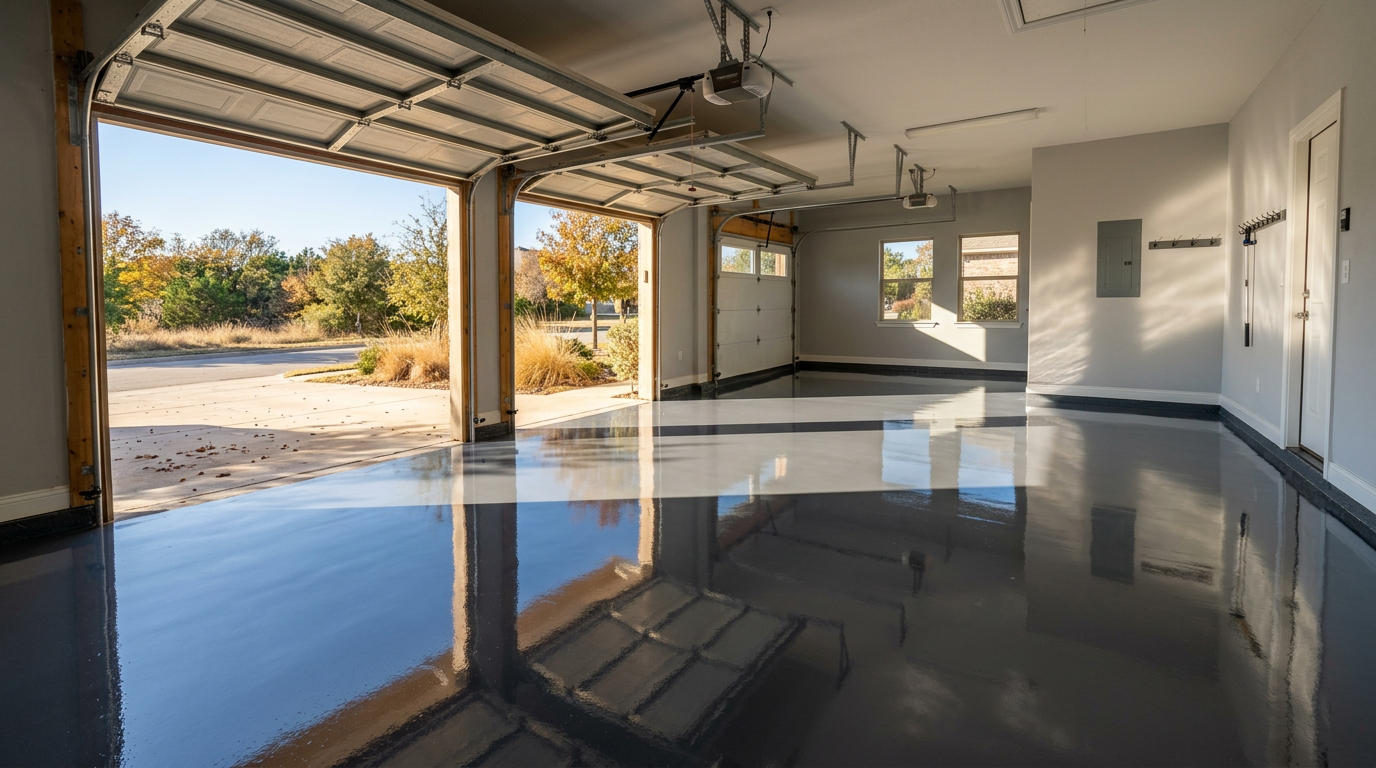
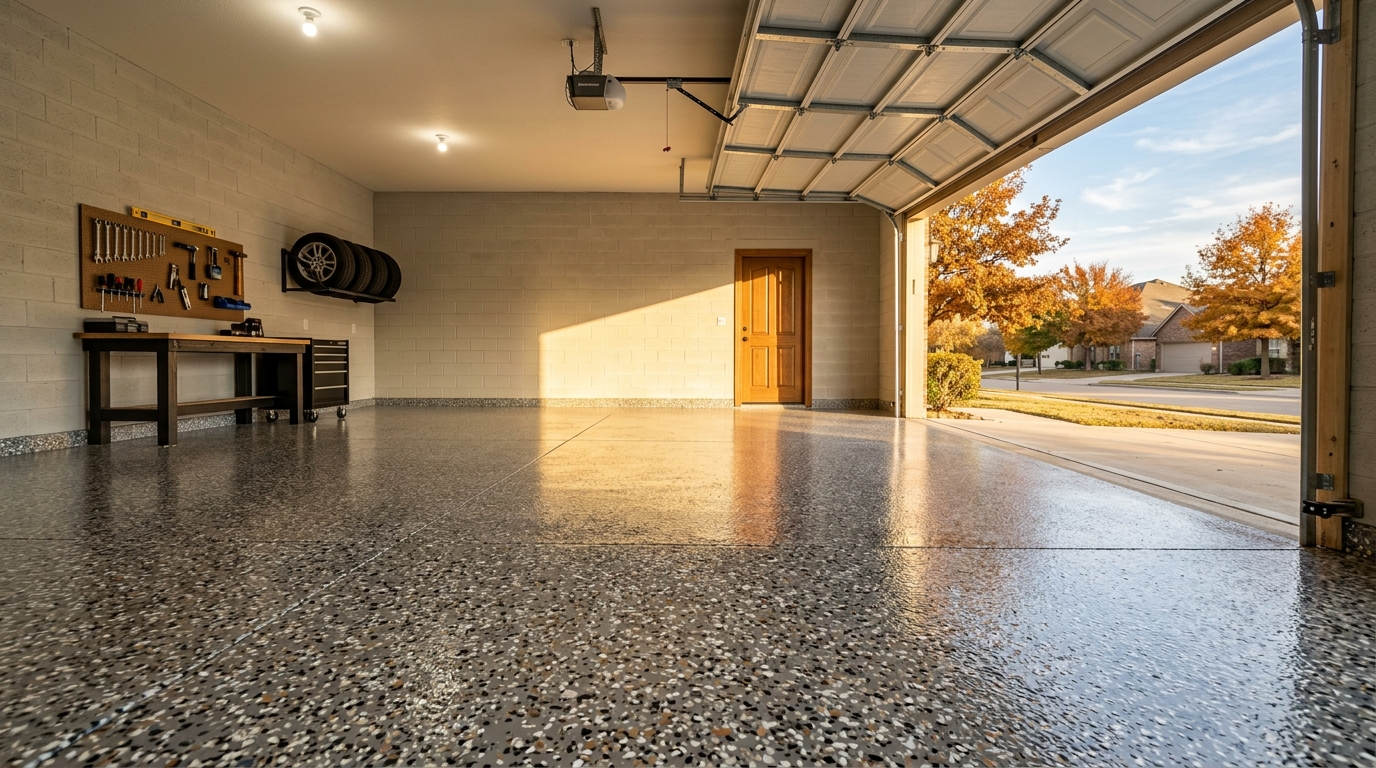
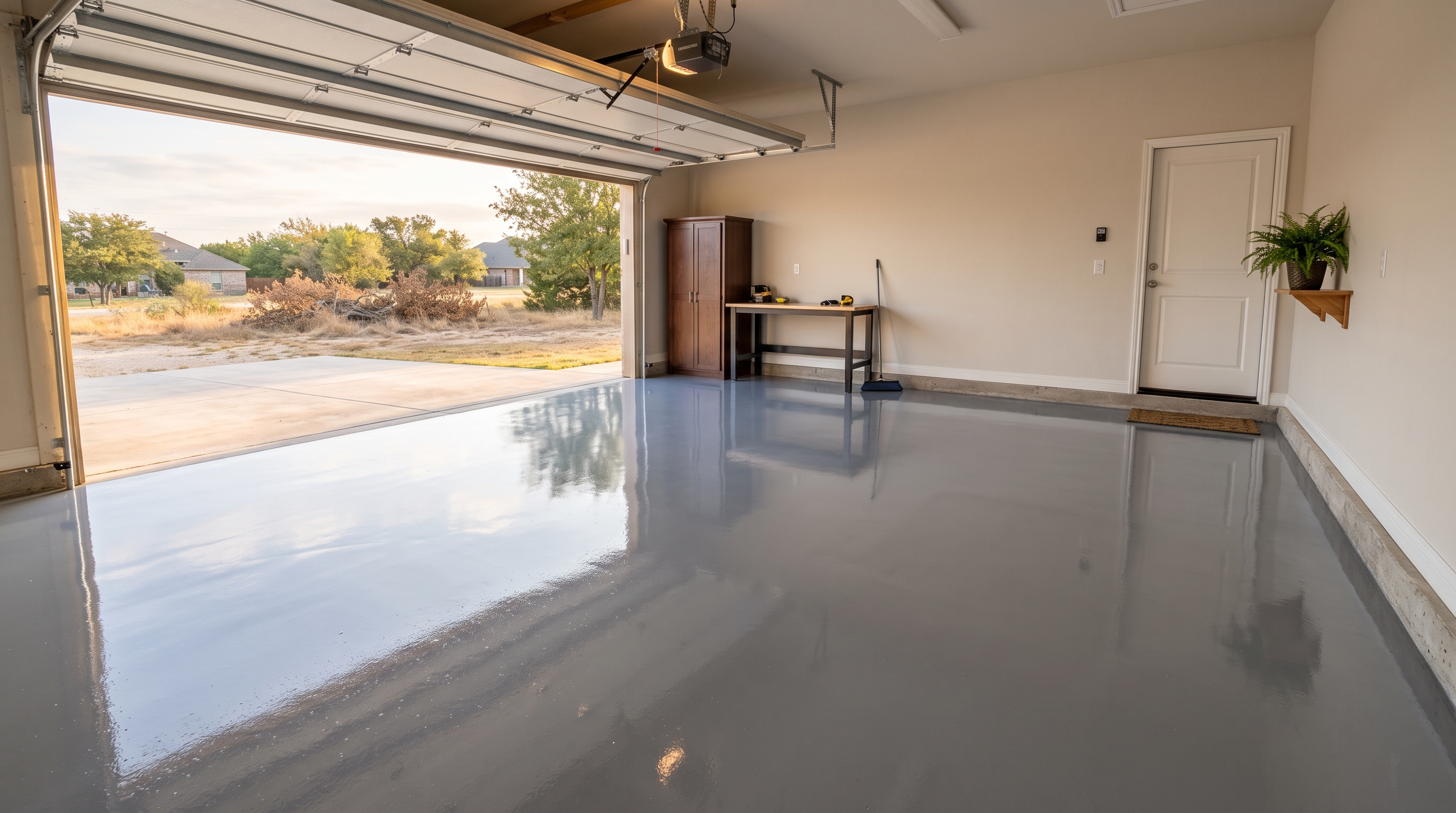
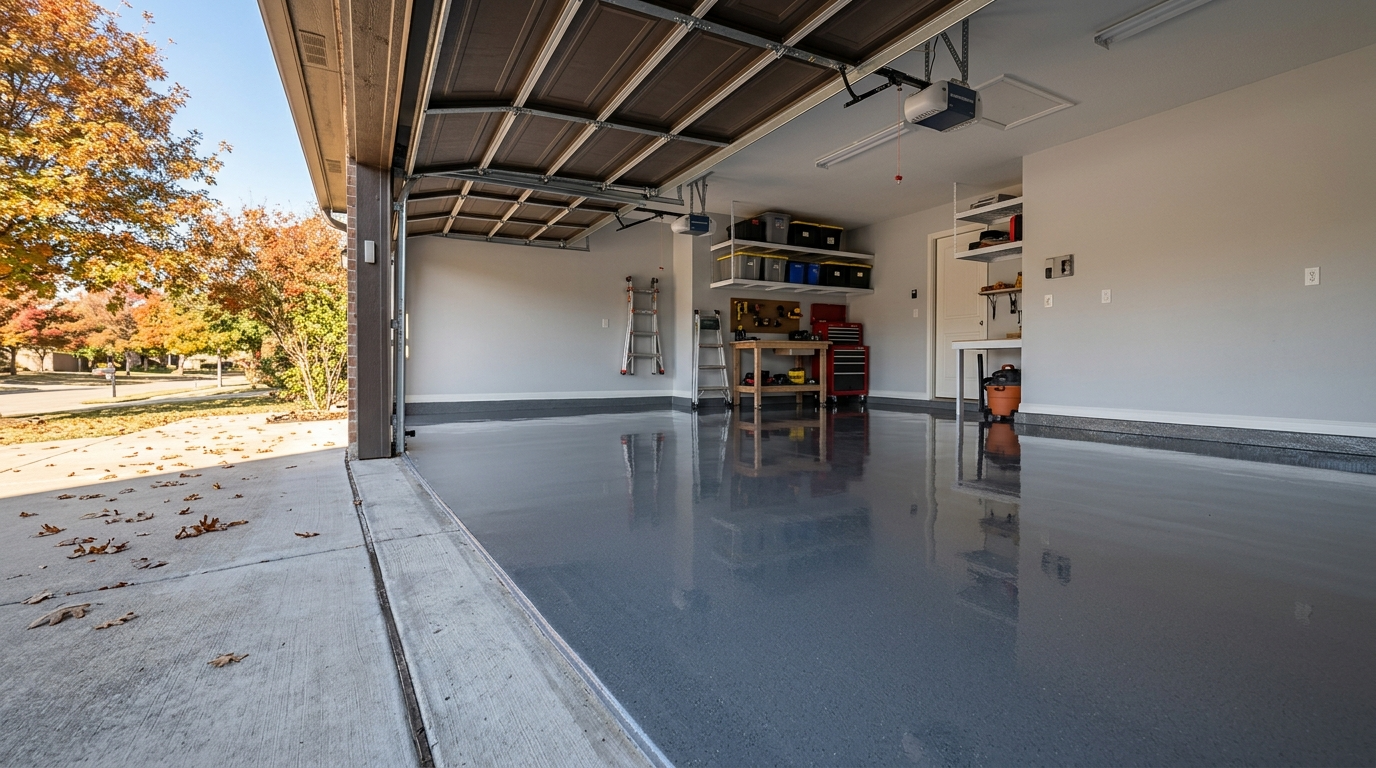
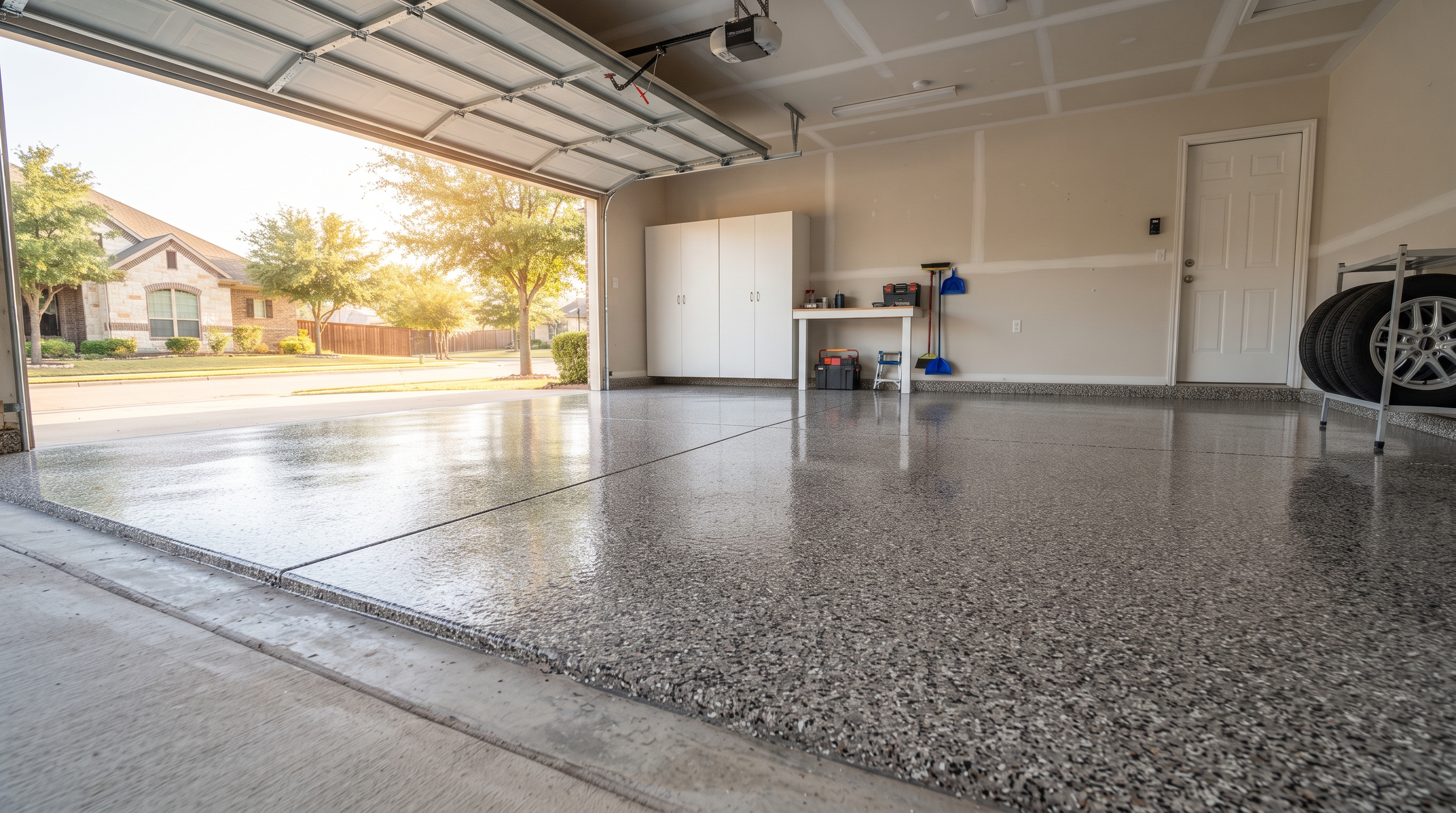
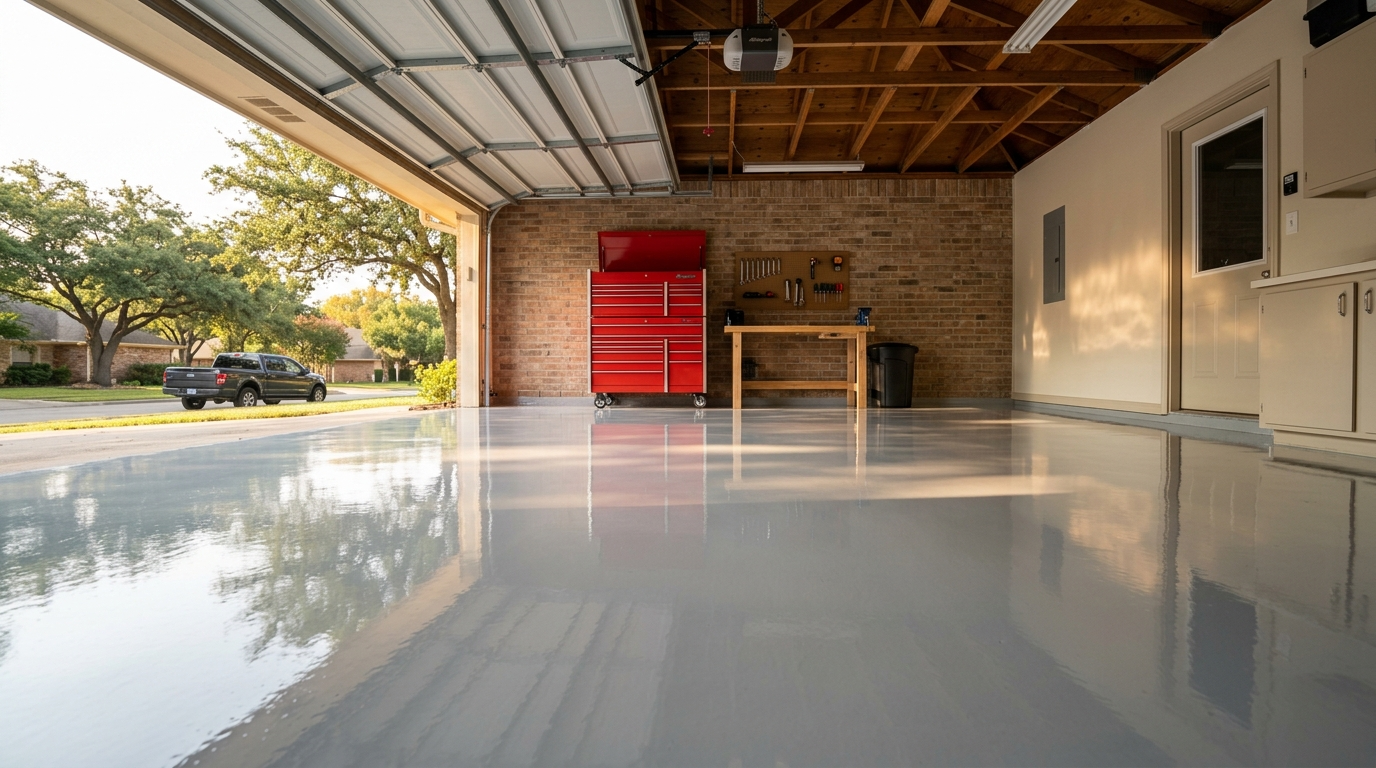
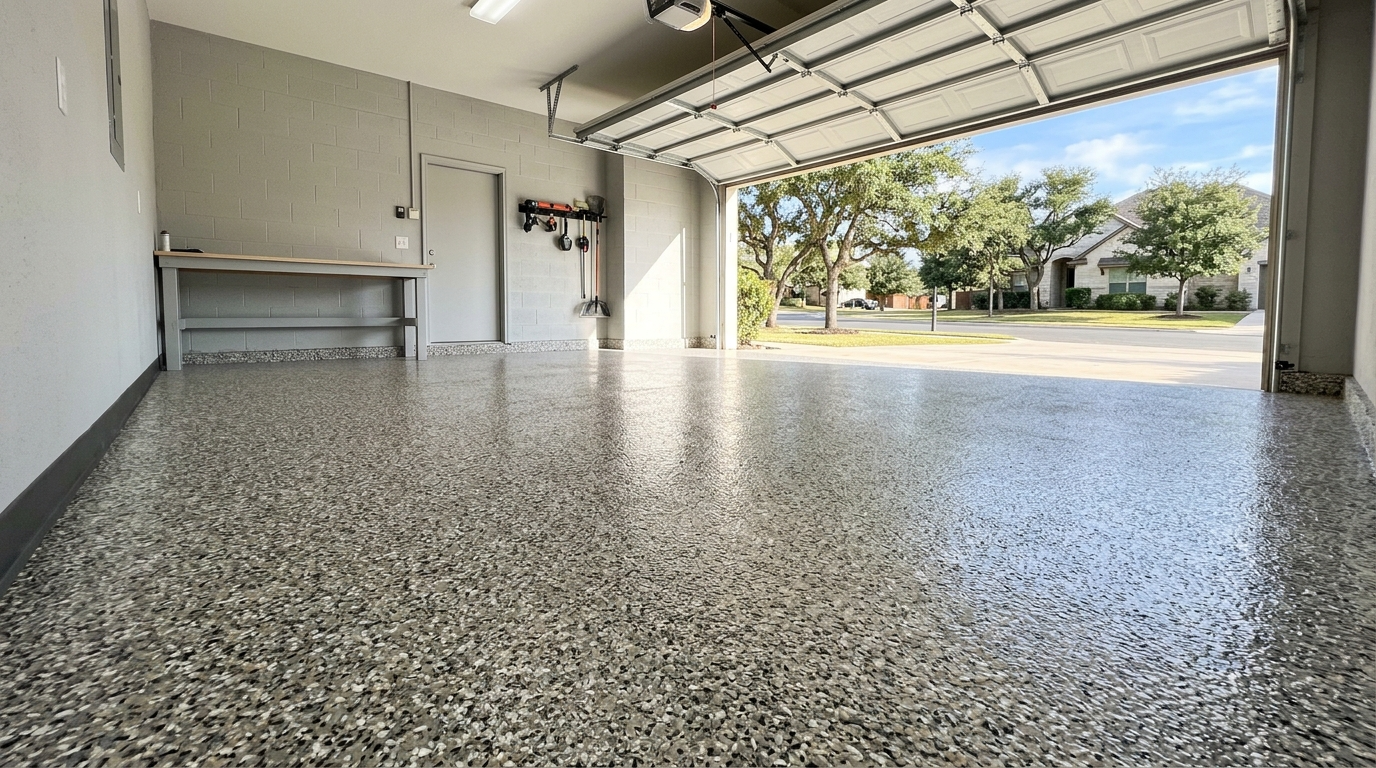
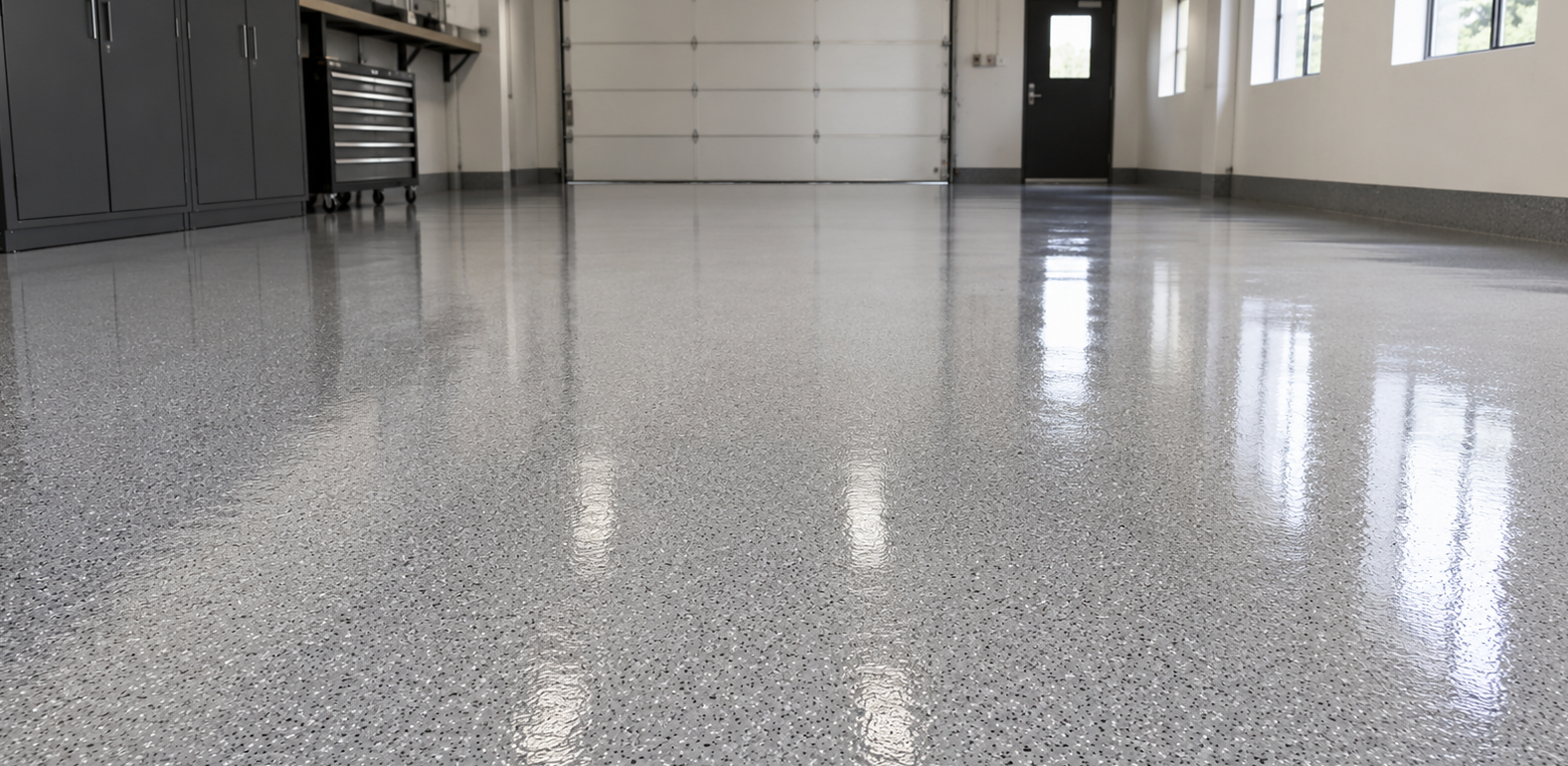
A concrete coating is a protective and decorative layer applied over an existing concrete surface. Epoxy flooring systems are a common example. These systems create a durable surface that improves appearance, chemical resistance, stain resistance, and long-term performance.
Concrete resurfacing, on the other hand, involves repairing or rebuilding the surface layer of damaged concrete. Resurfacing products are used to correct issues such as spalling, pitting, scaling, surface deterioration, or widespread cosmetic damage. The goal is to restore the concrete before any decorative or protective finish is installed.
In many cases, resurfacing becomes a necessary step before a coating system can be successfully applied.
Why Surface Condition Matters More Than Appearance
Property owners focus on how their floor looks today. However, professional flooring contractors focus on the condition of the concrete underneath.
A floor may appear worn, discolored, or outdated while remaining structurally sound enough for an epoxy coating. Conversely, a floor that looks relatively acceptable may have hidden deterioration that compromises coating adhesion.
Concrete coatings rely on a strong bond with the substrate. If the concrete surface is weak, crumbling, or contaminated, even a high-quality epoxy system can fail prematurely. Peeling, bubbling, delamination, and cracking often originate from substrate issues rather than coating defects.
That is why a thorough floor evaluation is one of the most important parts of any successful flooring project.
Signs a Coating May Be the Right Solution
Many commercial, industrial, and residential concrete floors are excellent candidates for epoxy flooring without requiring extensive resurfacing.
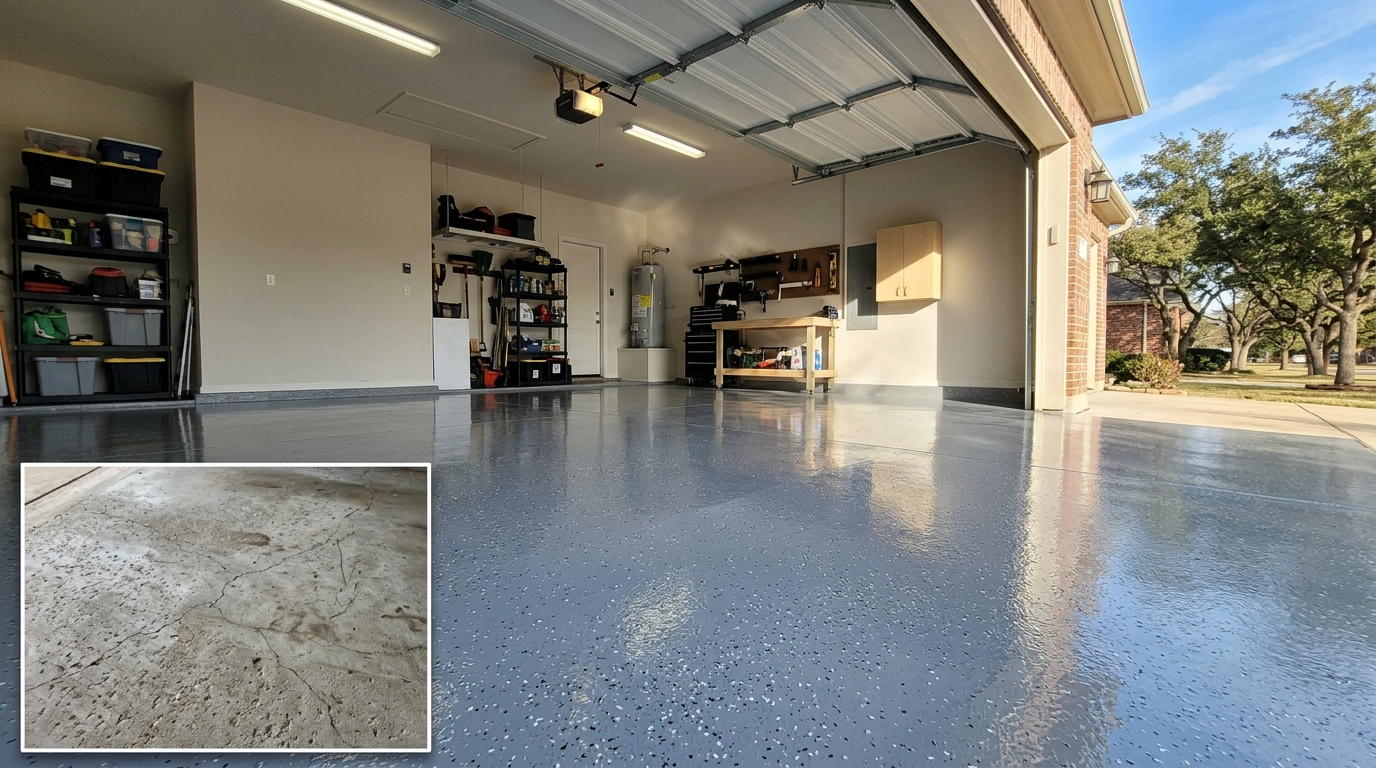
If the concrete is structurally sound and damage is limited to minor cosmetic issues, a coating system can often provide a dramatic transformation. Surface stains, tire marks, fading, and light wear are commonly addressed through proper surface preparation followed by epoxy installation.
Property owners who want improved durability, easier maintenance, enhanced appearance, and better protection against chemicals or moisture often benefit from a professionally installed coating system.
In these situations, the existing concrete provides a solid foundation, allowing the coating to perform as intended for years.
When Concrete Resurfacing Should Come First
Some floors require more than a protective coating.
Concrete that has experienced years of heavy traffic, moisture intrusion, freeze-thaw cycles, impact damage, or neglected maintenance may have significant surface deterioration. Deep pitting, widespread scaling, surface flaking, and uneven areas often indicate that resurfacing should be completed before any coating is considered.
Applying epoxy directly over deteriorated concrete rarely solves the underlying problem. In fact, the coating may simply mirror the defects beneath it or fail because the substrate lacks sufficient strength.
Resurfacing creates a more stable, uniform surface that can support a coating system. By correcting existing damage first, property owners increase the likelihood of long-term performance and a more attractive finished floor.
The Cost Considerations Property Owners Should Understand
Many property owners initially view resurfacing as an additional expense. However, skipping necessary repairs can lead to much higher costs later.
Installing a coating over compromised concrete may result in premature failure that requires removal, repairs, and complete reinstallation. These corrective projects are often more expensive than addressing substrate issues properly from the beginning.
A professional assessment helps determine whether resurfacing is truly necessary or whether surface preparation alone can achieve the desired result. This evaluation allows property owners to invest their budget where it creates the greatest long-term value.
The most cost-effective solution is not always the lowest initial price. It is the option that delivers reliable performance and minimizes future repair expenses.
How Epoxy Flooring Performs on Properly Prepared Concrete
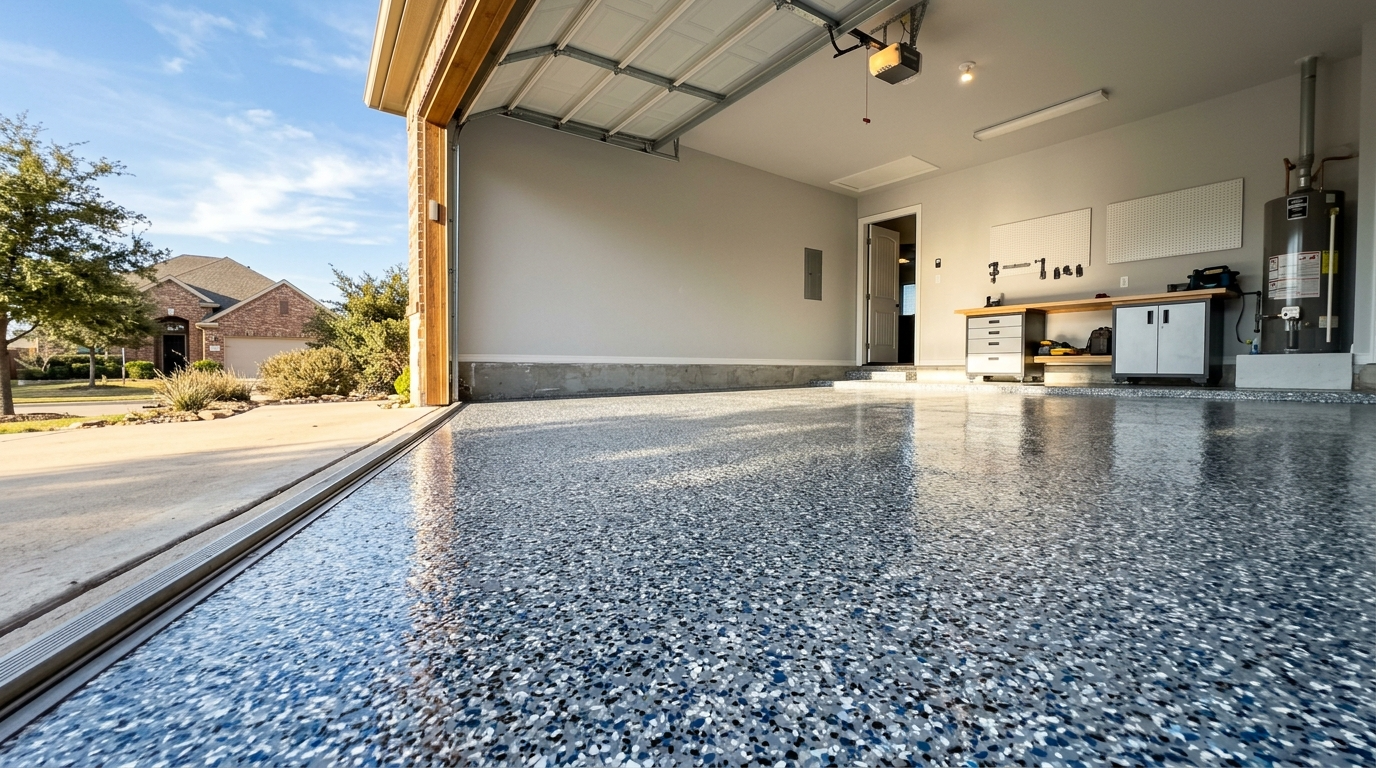
One of the reasons epoxy flooring remains popular across commercial and industrial facilities is its ability to deliver exceptional durability when installed on properly prepared concrete.
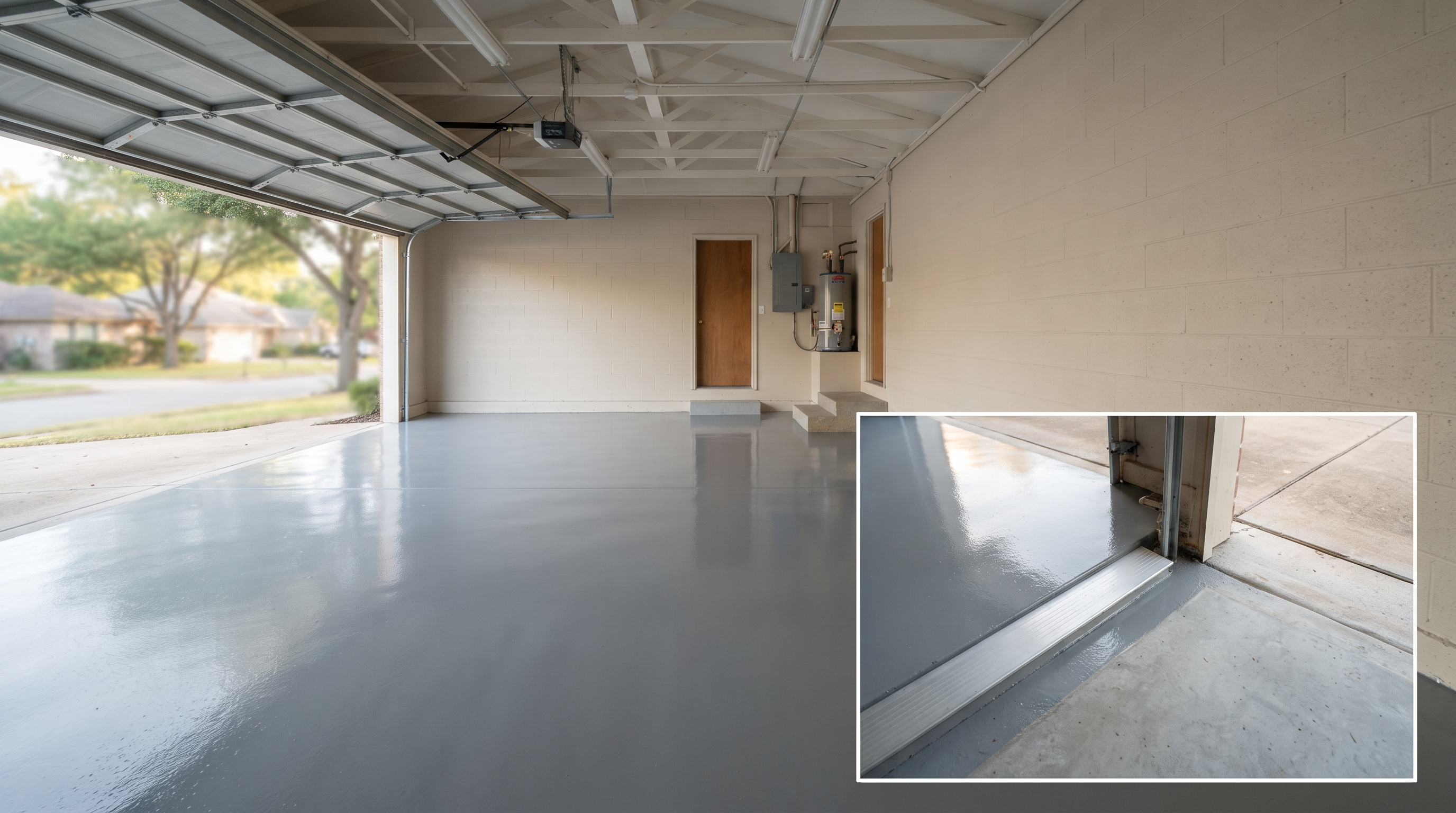
A well-prepared substrate allows the coating to bond effectively, creating a seamless surface that resists abrasion, impacts, chemicals, and daily wear. Proper preparation also improves the floor's appearance by creating a smooth, consistent finish.
Whether the project involves a warehouse, manufacturing facility, showroom, retail space, or garage, substrate preparation remains the foundation of successful epoxy performance.
No coating system can outperform the surface beneath it.
What Professional Floor Evaluations Typically Include
Before recommending coating or resurfacing, experienced flooring contractors evaluate several factors that influence project success.
The condition of the concrete surface is carefully inspected for cracks, spalling, pitting, contamination, moisture issues, and structural concerns. Contractors also assess how the floor is used, the level of traffic it experiences, and any environmental factors that may affect long-term performance.
This evaluation helps determine whether the concrete can support a direct coating application or whether repairs and resurfacing are needed first.
Property owners benefit from receiving recommendations based on the actual condition of their floor rather than assumptions or one-size-fits-all solutions.
Choosing the Right Solution for Long-Term Flooring Performance
The decision between coating and resurfacing is not simply about aesthetics. It is about creating a flooring system that performs reliably over time.
If the concrete is structurally sound, an epoxy coating may provide the durability, protection, and appearance improvements you are seeking. If the concrete has significant surface deterioration, resurfacing may be a necessary first step to ensure lasting results.
The best approach begins with understanding the condition of the substrate and addressing any underlying issues before selecting a finish system.
Why Property Owners Trust NES Flooring for Epoxy Flooring Solutions
At NES Flooring, we help property owners make informed decisions based on the actual condition of their concrete surfaces. Our team evaluates each project individually to determine whether a floor is ready for coating or requires repairs before installation.
We focus on durable, long-lasting epoxy flooring systems designed to withstand demanding environments while improving appearance and functionality. By emphasizing proper preparation and proven installation methods, we help clients maximize the performance and lifespan of their flooring investment.
Get Expert Guidance for Your Concrete Floor
If you are considering epoxy flooring but are unsure whether your concrete needs coating, resurfacing, or repairs first, NES Flooring can help. Contact our team today to schedule a professional floor evaluation and discover the most effective solution for your property.
Proper preparation today can help prevent costly problems tomorrow while ensuring your new floor delivers the durability and performance you expect.
Ready to work with NES Flooring?
Let's connect! We’re here to help.
Send us a message and we’ll be in touch.
Or give us a call today at 817-668-5051
More from NES Flooring: