Epoxy Flooring vs. Tile or Laminate - Which Option Holds Up Better Over Time?
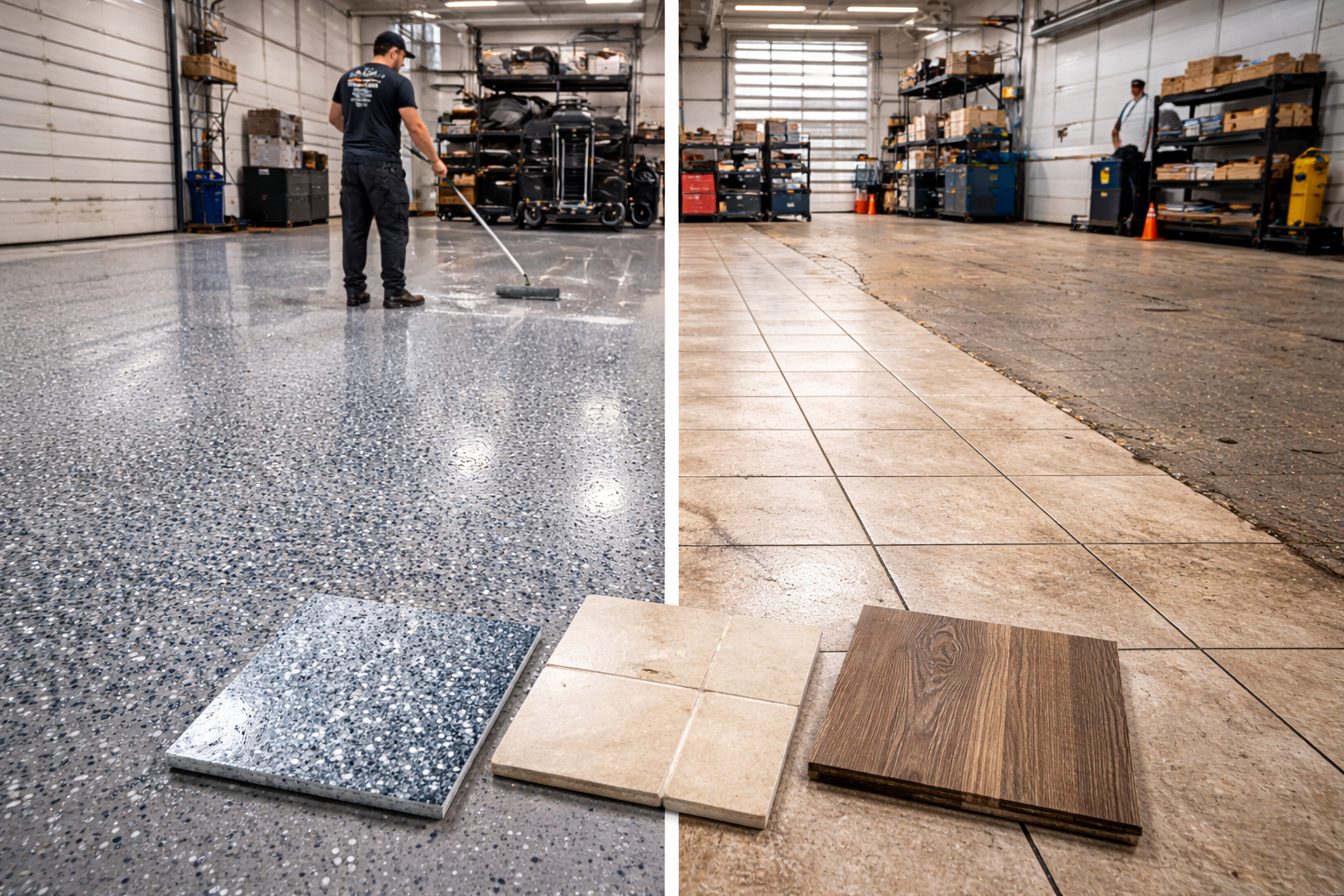
Comparing epoxy, tile, and laminate for real-world durability
When choosing flooring for garages, shops, warehouses, or commercial spaces, property owners often compare epoxy flooring to traditional options like tile or laminate. At first glance, tile and laminate may seem familiar and cost-effective, while epoxy feels more industrial. The reality is that these materials are designed for very different environments, and choosing the wrong one can lead to premature failure, constant maintenance, and unnecessary replacement costs.
Understanding how epoxy flooring compares to tile and laminate helps you make a practical decision based on durability, maintenance, and long-term value rather than appearance alone.
Why flooring choice matters in Texas conditions
Texas floors face unique challenges. Heat, humidity changes, dust, vehicle traffic, and heavy use all stress flooring materials differently than in climate-controlled residential interiors. Many flooring types that perform well inside homes struggle in garages, shops, and commercial settings.
Epoxy flooring is engineered specifically for these tougher environments. Tile and laminate are not.
Epoxy flooring - built as a seamless protective system
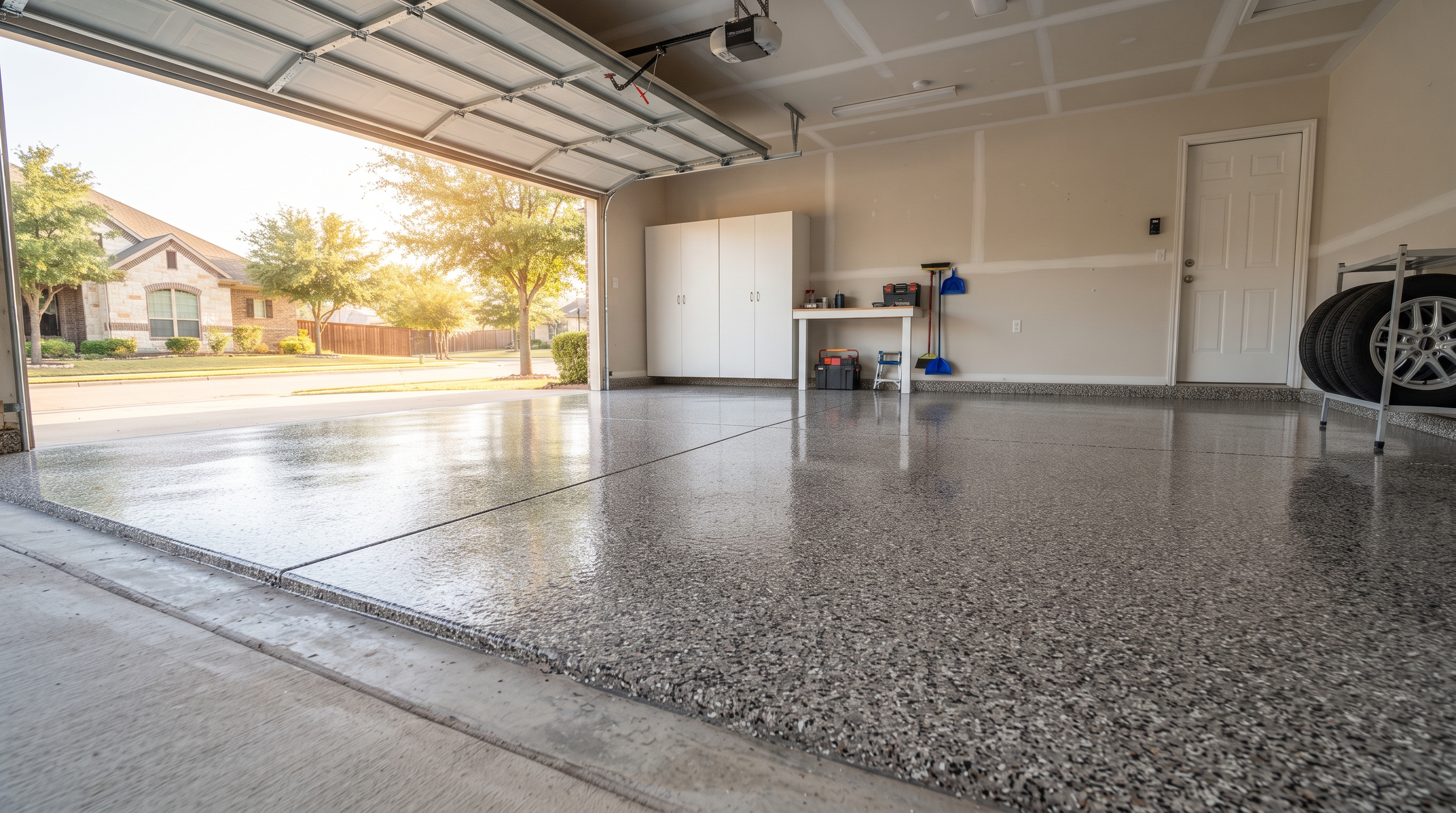
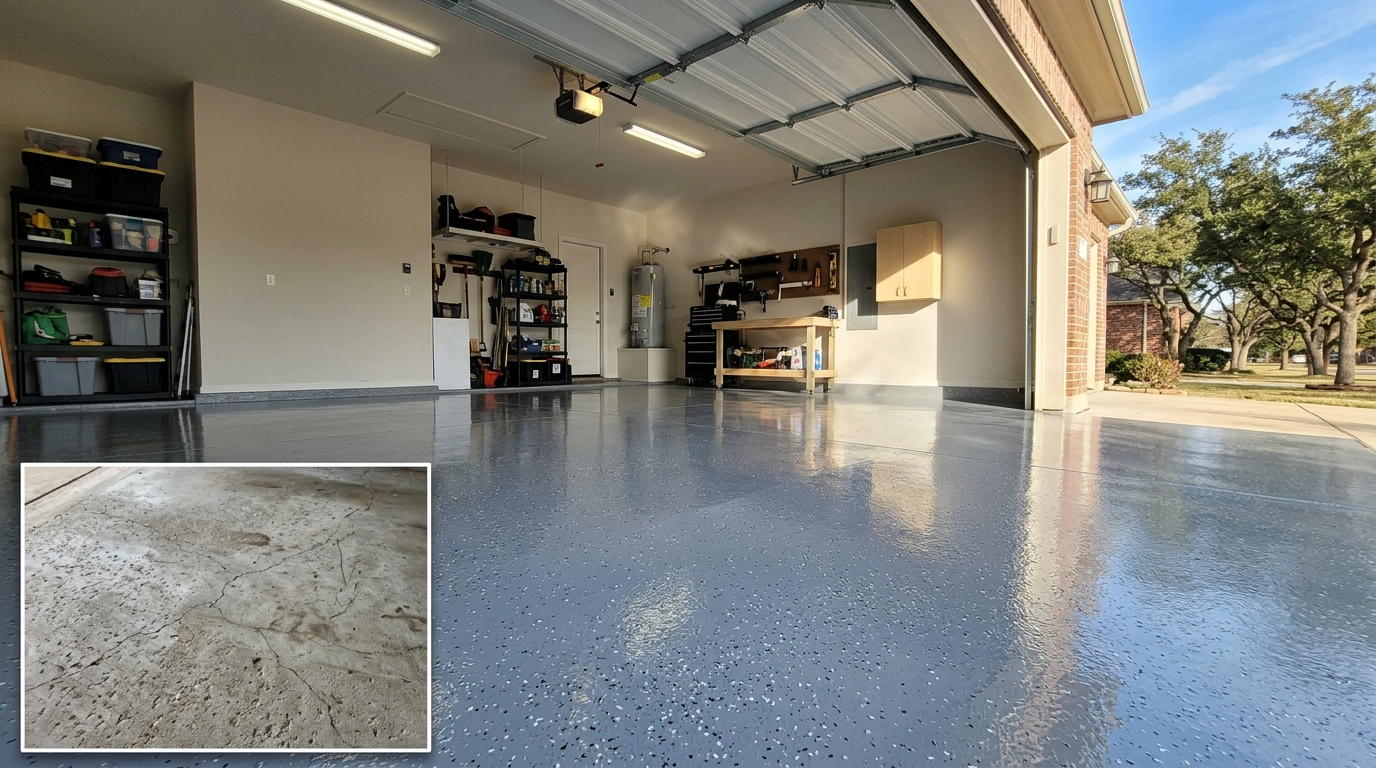
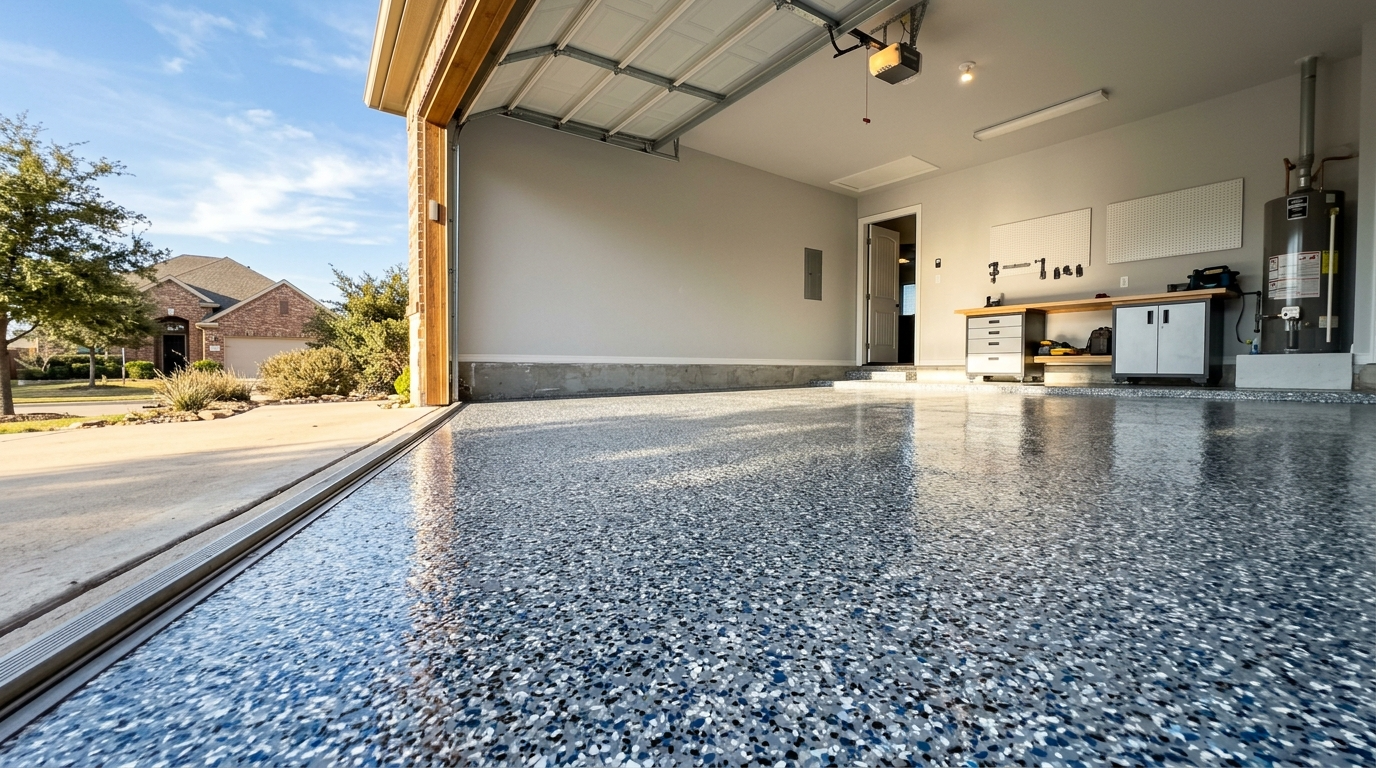
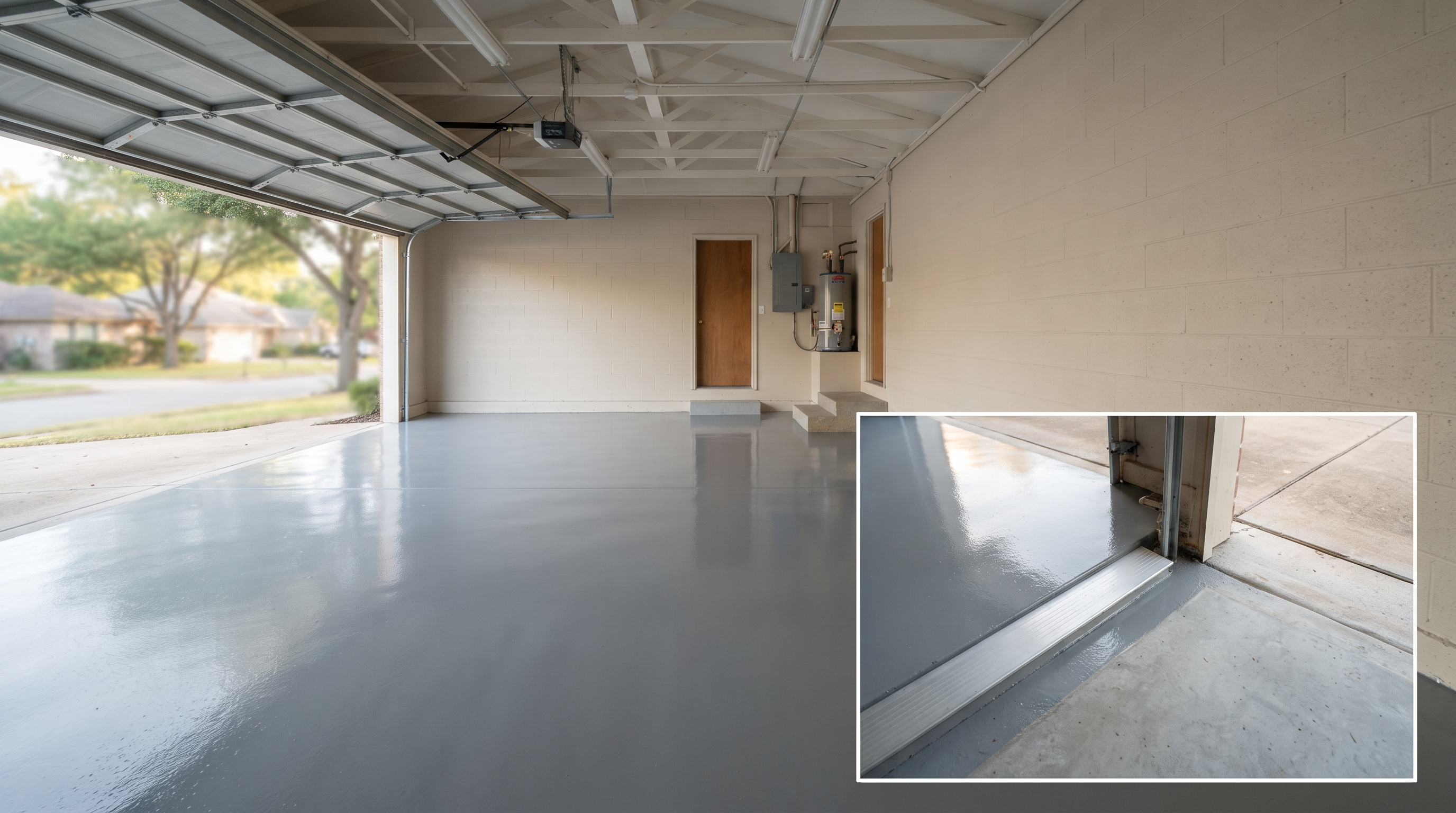
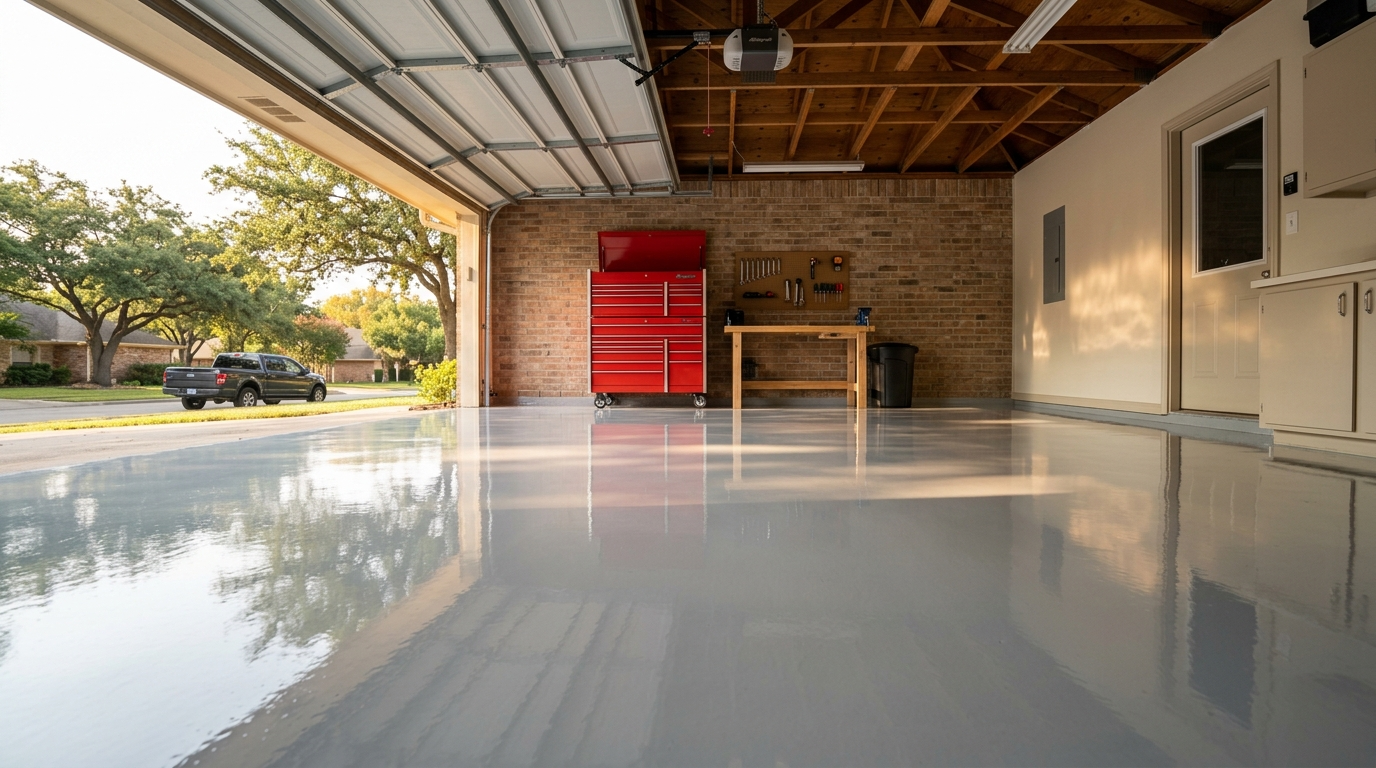
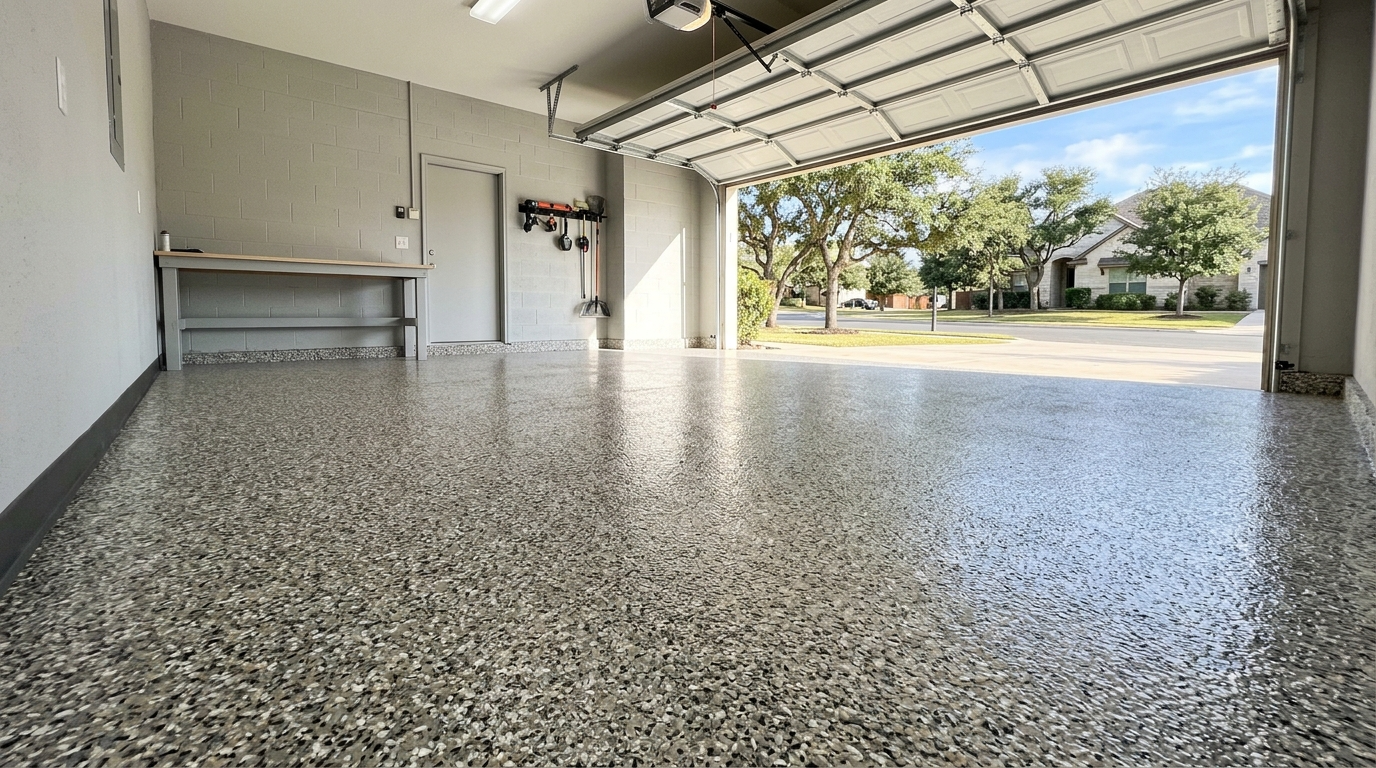
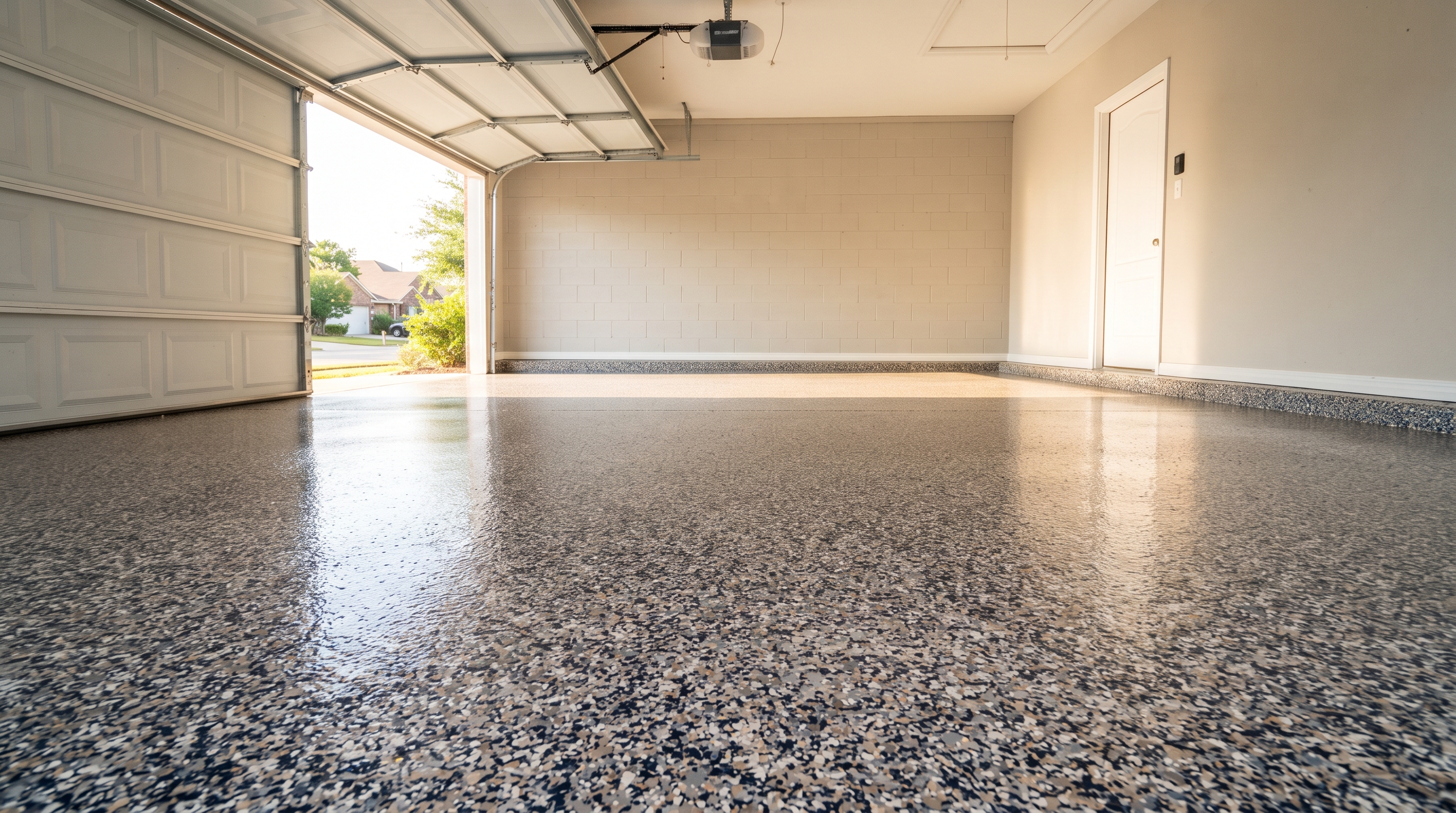
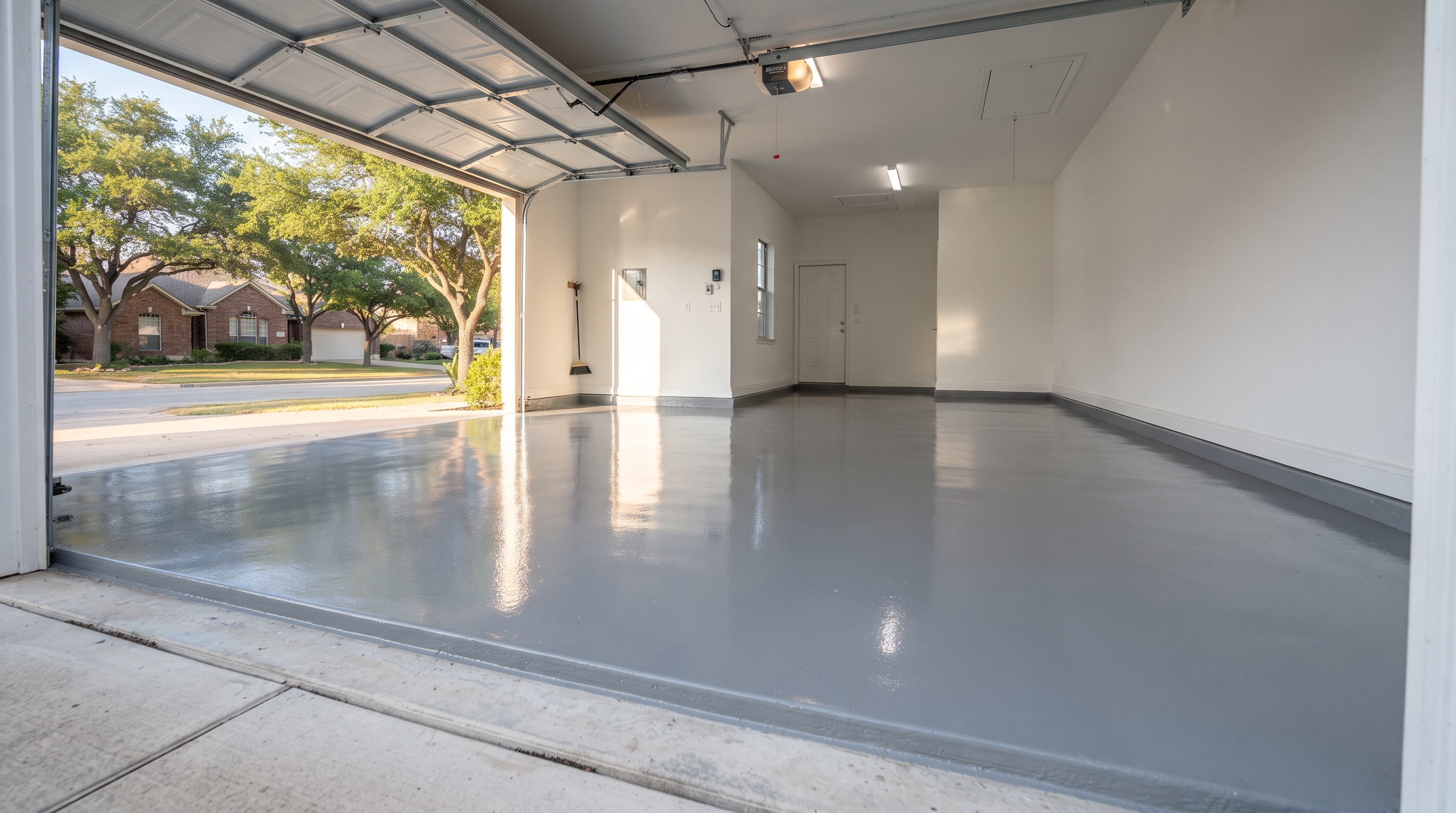
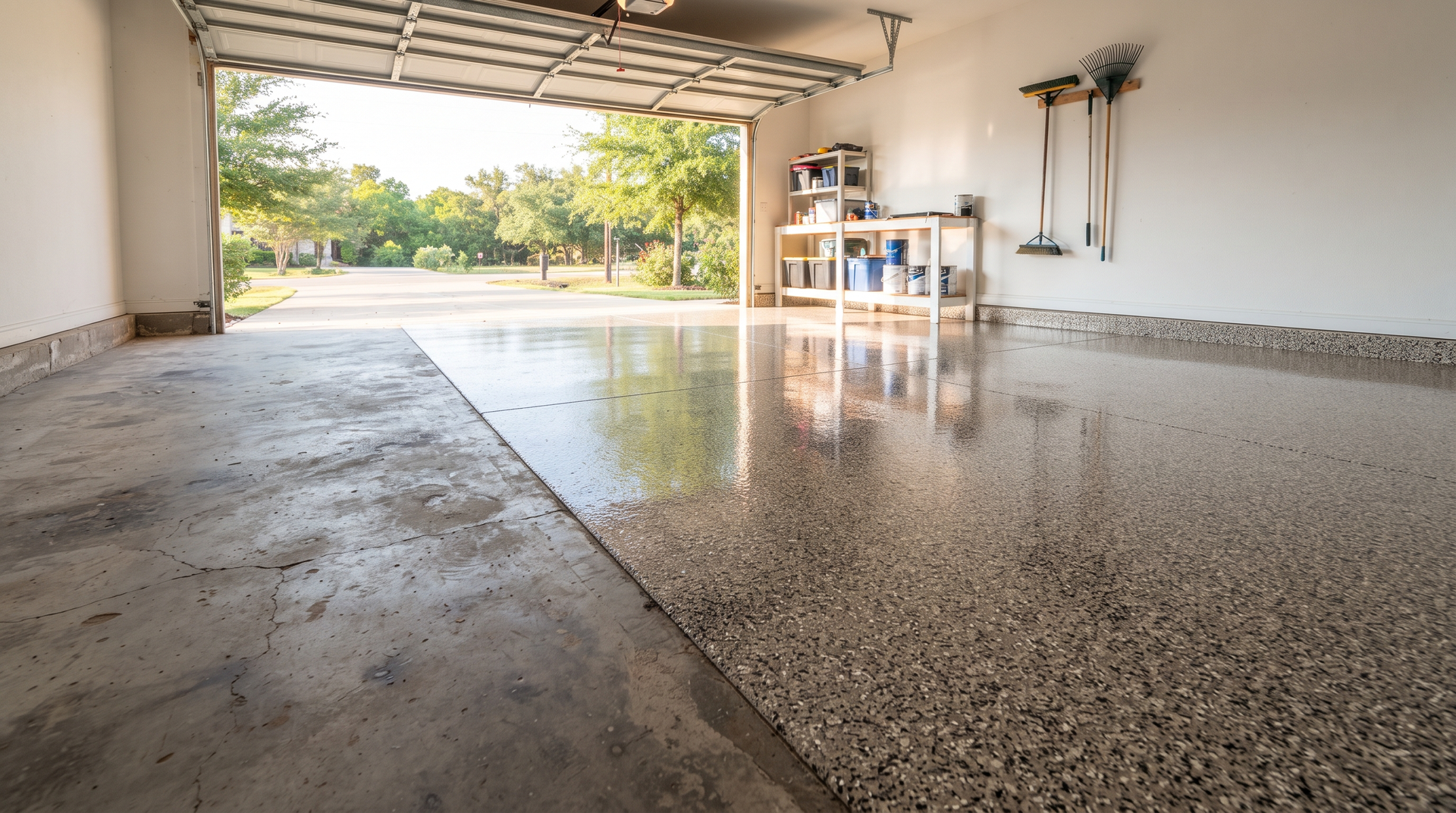
Epoxy flooring is a resin-based system applied directly to concrete after professional surface preparation. Once cured, it creates a seamless, non-porous surface that becomes part of the slab rather than sitting loosely on top of it.
Key characteristics of epoxy flooring include:
• No grout lines or seams
• High resistance to chemicals, oil, and moisture
• Strong bond to properly prepared concrete
• Excellent durability under heavy loads and traffic
• Easy cleaning with minimal maintenance
Epoxy is designed to protect concrete while improving usability and cleanliness.
Traditional tile flooring - durable but limited
Tile flooring, including ceramic and porcelain, is often chosen for its appearance and perceived durability. While tile can work well in interior residential spaces, it has limitations in high-stress environments.
Common issues with tile flooring include:
• Cracked tiles from vehicle weight or equipment
• Grout lines that absorb moisture, dirt, and stains
• Ongoing grout cleaning and maintenance
• Difficulty repairing isolated damage without visible mismatch
In garages or commercial spaces, tile failure often begins at grout lines or under point loads, leading to cracked or loose tiles over time.
Laminate flooring - not designed for heavy use or moisture
Laminate flooring is built primarily for dry, interior living spaces. It relies on a floating installation system and layered construction that does not tolerate moisture or heavy loads well.
Limitations of laminate flooring include:
• Poor moisture resistance
• Swelling or warping from humidity changes
• Damage from rolling loads or heavy equipment
• Short lifespan in non-residential environments
For garages, shops, or commercial spaces, laminate is generally a poor long-term choice regardless of initial cost savings.
Durability comparison under real use
When comparing epoxy, tile, and laminate in demanding environments, performance differences become clear.
Epoxy flooring excels under:
• Vehicle traffic
• Rolling equipment
• Chemical spills
• Frequent cleaning
• Temperature fluctuations
Tile struggles with impact, movement, and grout maintenance, while laminate fails quickly when exposed to moisture, weight, or abrasion.
Maintenance differences that affect long-term cost
Maintenance requirements play a major role in overall flooring cost over time.
Epoxy flooring maintenance:
• Regular sweeping
• Occasional mopping
• No sealing or waxing required
Tile flooring maintenance:
• Frequent grout cleaning
• Periodic grout repair or resealing
• Tile replacement when cracking occurs
Laminate flooring maintenance:
• Limited cleaning options
• Replacement when water damage or wear occurs
• Short replacement cycles in high-use areas
Lower maintenance demands make epoxy flooring more cost-effective over its lifespan, even if initial installation costs are higher.
Installation quality makes the difference with epoxy
Epoxy flooring performance depends entirely on surface preparation and installation quality. Without proper mechanical grinding and slab evaluation, epoxy systems can fail just like any other flooring.
At NES Flooring, epoxy flooring installations begin with professional concrete grinding to remove contaminants and open the surface for proper bonding. This step ensures the epoxy becomes a durable, long-lasting system rather than a temporary coating.
Tile and laminate installations do not offer this same level of integration with the concrete slab.
Appearance vs. performance - choosing what matters most
Tile and laminate often win initial comparisons based on appearance alone. However, in functional spaces like garages, shops, and commercial facilities, performance quickly outweighs aesthetics.
Epoxy flooring provides:
• A clean, professional appearance
• Consistent surface without seams
• Optional color choices without added texture
• Long-term visual consistency
It delivers a finished look while still prioritizing durability.
Who epoxy flooring is best suited for
Epoxy flooring is ideal for property owners who need:
• Long-term durability
• Low maintenance
• Resistance to chemicals and moisture
• A seamless, easy-to-clean surface
• Reliable performance under heavy use
Tile and laminate may still have a place in residential living areas, but they are not designed to compete with epoxy in demanding environments.
What to expect when working with NES Flooring
NES Flooring takes a practical, performance-first approach to flooring. Each project is evaluated based on how the space is used, the condition of the concrete, and long-term expectations. No decorative upsells, no experimental systems, and no shortcuts.
You can expect:
• Honest guidance on material selection
• Professional mechanical surface preparation
• Proven epoxy systems
• Efficient installation timelines
• Flooring that performs as expected
Make the right flooring choice for your space
Choosing between epoxy, tile, and laminate comes down to function. If durability, ease of maintenance, and long-term performance matter, epoxy flooring consistently outperforms traditional alternatives in garages, shops, and commercial spaces.
Contact NES Flooring today! to schedule a consultation and find out whether epoxy flooring is the right solution for your property.
Ready to work with NES Flooring?
Let's connect! We’re here to help.
Send us a message and we’ll be in touch.
Or give us a call today at 817-668-5051
More from NES Flooring: