How Long Before You Can Use Your Floor After Installation?
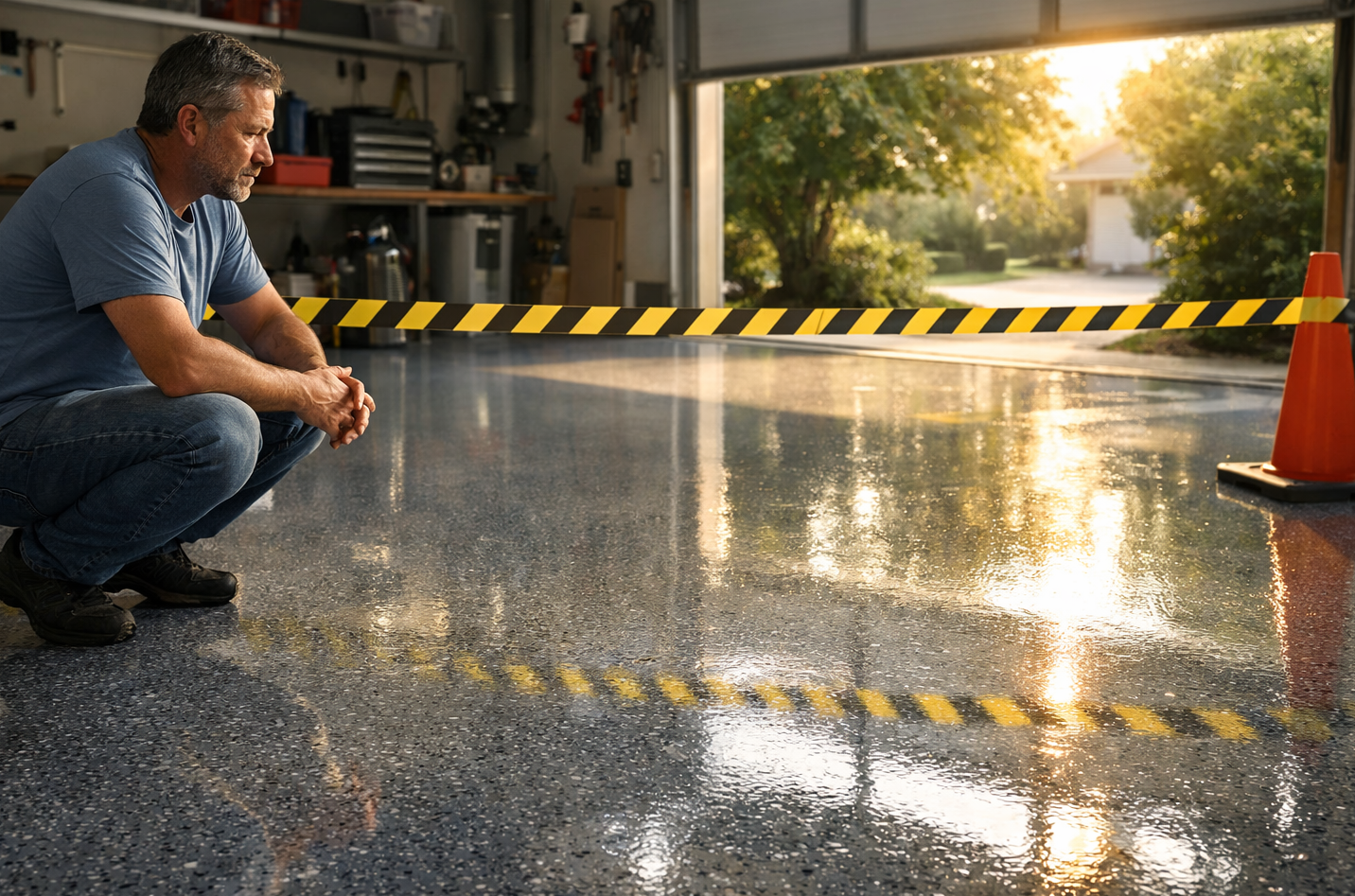
New flooring can completely change the feel of a home, but the installation is only part of the process. One of the most important questions homeowners ask right after the job is finished is how long they need to wait before walking on the floor, moving furniture back, or returning the room to normal use. The answer depends on the flooring material, the installation method, and how much time the new floor needs to settle, bond, or cure properly. Using it too soon can affect appearance, performance, and long-term durability.
At NES Flooring, we believe a durable result is not just about installing the floor correctly. It is also about helping homeowners protect that new floor during the first hours and days after installation. When you understand the timeline, you give your floor a better start and a better chance to hold up over time.
How Long to Wait Before Using New Flooring After Installation
The timeline for using a new floor is not always the same from one project to the next. Some flooring products may allow light foot traffic sooner, while others need more time before they can handle normal daily activity. What matters most is whether the floor needs time for adhesive to set, planks to stabilize, or the surface to remain undisturbed after installation.
This is where homeowners can run into trouble. A floor can look finished and still need more time before it is ready for everyday use. That is why it is important to know the difference between light access and full use. Light access may mean careful walking in socks or soft shoes for a limited purpose. Full use means regular family traffic, pets, furniture, and the normal wear of a lived-in home. Those are very different stages, and confusing them can create avoidable problems.
NES Flooring helps homeowners understand those differences so they can protect the finished work instead of unintentionally putting stress on it too soon.
Why Waiting Matters for Long-Term Floor Performance
It is easy to think the hard part is over once the installers leave, but the first stage after installation is still important. During that window, the floor may still be adjusting to the room, adhesives may still be setting, and certain materials may still be vulnerable to shifting or damage if they are disturbed too early.
Using the floor too quickly can lead to movement, stress on seams, surface marks, or issues that affect how well the floor holds up over time. Even small problems during this stage can reduce the clean, durable result homeowners were expecting. Waiting the proper amount of time helps protect the fit, finish, and stability of the installation.
For busy households, that waiting period can feel inconvenient. Still, it is far better to protect the floor for a short time than to create issues that last for years. A durable floor starts with proper installation, but it also starts with proper aftercare.
When You Can Walk on Your Floor After Installation
Walking on the floor is usually the first thing homeowners want to know about, and understandably so. In many cases, some level of foot traffic may be possible before the room is fully back in service, but that depends on the product and how it was installed. A floating floor may have a different timeline than a floor installed with adhesive. Some materials are more forgiving during early use, while others need a more careful approach.
What homeowners should remember is that early foot traffic should be limited if the floor is not yet ready for normal use. That means no unnecessary back and forth, no heavy shoes, and no assumption that the space can immediately go back to business as usual. The best results come from treating the room with care until the recommended waiting period has passed.
At NES Flooring, we give homeowners straightforward guidance based on the actual floor being installed. That matters because generic advice from the internet does not account for the product, the condition of the space, or the installation method used in your home.
When It Is Safe to Move Furniture Back Onto a New Floor
Furniture is often a bigger risk than foot traffic. Even if the floor is ready for careful walking, that does not mean it is ready for heavy items. Sofas, beds, dining tables, appliances, and storage pieces all apply concentrated pressure to the surface. If they are moved back too soon, they can interfere with the floor’s early stability or damage the finish before the installation has fully settled.
This is especially true when furniture is dragged instead of lifted. A newly installed floor can be marked, scratched, or stressed very quickly if heavy items are not handled properly. Even after the waiting period has passed, the right protection under furniture legs still matters.
NES Flooring focuses on durable results, and that includes helping homeowners know when to bring furniture back and how to do it without damaging the new surface. The goal is not just to finish the install. The goal is to make sure the floor keeps looking and performing the way it should.
How Long Before Pets, Kids, and Heavy Traffic Are Okay
A room does not really return to normal until it can handle the full pace of the household. That includes children running through the space, pets moving in and out, and the repeated foot traffic that comes with daily life. This stage should wait until the floor is ready for more than just light access.
Pets can be especially hard on a new floor if nails are not trimmed or if the surface is not yet ready for active movement. Young children may be less careful about toys, spills, or rough use. High-traffic areas like kitchens, living rooms, and hallways also need more caution because they are harder to keep partially off-limits.
That is why homeowners should think in phases. First comes restricted access. Then comes light use if appropriate. After that comes furniture return and finally full household traffic. That simple progression can make a big difference in how well the floor performs long term.
What Affects How Soon You Can Use a New Floor
Several factors can change how quickly a floor is ready for use. The material matters, but so do the conditions in the home and the installation approach. Temperature, humidity, room size, airflow, and the type of underlayment or adhesive involved can all affect the timeline.
In Texas homes, heat and humidity can play a major role. Flooring materials respond to environmental conditions, and those conditions can influence how a floor settles after installation. That is one reason professional guidance matters so much. A local flooring company with practical experience understands that the same product may behave differently depending on the jobsite conditions.
NES Flooring takes that seriously. We do not believe in one-size-fits-all answers when real homes and real conditions require a more informed approach.
What Professional Flooring Guidance Should Look Like
A reliable flooring company should do more than install the material and leave. Homeowners should walk away knowing how to care for the floor immediately after installation, what to avoid, and when the room can return to normal use. That kind of guidance helps prevent avoidable mistakes and protects the quality of the finished work.
Professional service means clear communication. It means being honest about timelines and practical about how families actually live. It means helping homeowners plan ahead so they know when to walk on the floor, when to move furniture back, and how to protect the surface during the early stage.
That straightforward approach is part of what homeowners appreciate about NES Flooring. We focus on durable results, and durable results depend on both good installation and smart post-installation care.
Floor Installation FAQs
Can I walk on my new floor the same day?
Sometimes, yes, but it depends on the flooring material and installation method. Some floors can handle limited light foot traffic sooner than others, while some need more time before they should be disturbed.
How long should I wait before moving furniture back?
Furniture usually needs to wait longer than light foot traffic. Heavy items can put too much pressure on a newly installed floor too soon and may affect the final result.
Can pets and kids use the room right away?
It is usually best to wait until the floor is ready for more than light use. Pets, running children, toys, and heavy daily traffic can all put extra stress on a floor during the early post-installation period.
Does the type of flooring change the timeline?
Yes. Different flooring materials and installation methods have different timelines for light use, full use, and furniture return. That is why job-specific guidance matters.
Why does the waiting period matter so much?
Because using the floor too soon can affect stability, surface condition, and long-term durability. Giving the floor the right start helps protect the investment.
Why Homeowners Choose NES Flooring for Durable Results
Homeowners choose NES Flooring because they want more than a floor that looks good the day it is installed. They want a floor that performs well in real-life conditions and holds up over time. That takes proper installation, practical guidance, and a company that understands how important the first stage of use really is.
Our approach is straightforward. We help homeowners make smart flooring decisions, install with durability in mind, and provide clear direction on what comes next. That way, the floor is not just finished. It is set up for lasting success.
If you are planning new flooring and want a team that values durability, clear communication, and real results, contact NES Flooring today to get expert guidance and a floor built to perform.
Ready to work with NES Flooring?
Let's connect! We’re here to help.
Send us a message and we’ll be in touch.
Or give us a call today at 817-668-5051
More from NES Flooring: