Why Light Reflection Matters More in Finished Workspaces Than Most Owners Realize

In a finished workspace, visibility affects more than appearance. It influences how clean the room feels, how efficiently people work, how well details can be seen, and how professional the entire environment appears day to day. While many owners focus on overhead fixtures and wall color when trying to improve visibility, the floor also plays an important role. Light reflection across a properly finished surface can help a workspace feel brighter, clearer, and easier to use without changing the basic function of the room.
That does not mean every floor should be glossy or overly polished. It means the right finished surface can support better light distribution throughout the space. In workshops, utility areas, commercial interiors, and other hard-working environments, that improvement can make a real difference. A floor that reflects light more effectively can reduce the heavy, dull look that unfinished or poorly maintained concrete often creates. It can help the space feel more open, more organized, and more practical for everyday use.
For Texas property owners, this matters in both commercial and residential workspaces. Whether the goal is a sharper-looking garage, a cleaner warehouse area, a more efficient shop floor, or a better-looking back-of-house commercial space, visibility is part of performance.
How Floor Finish Affects Brightness in a Workspace
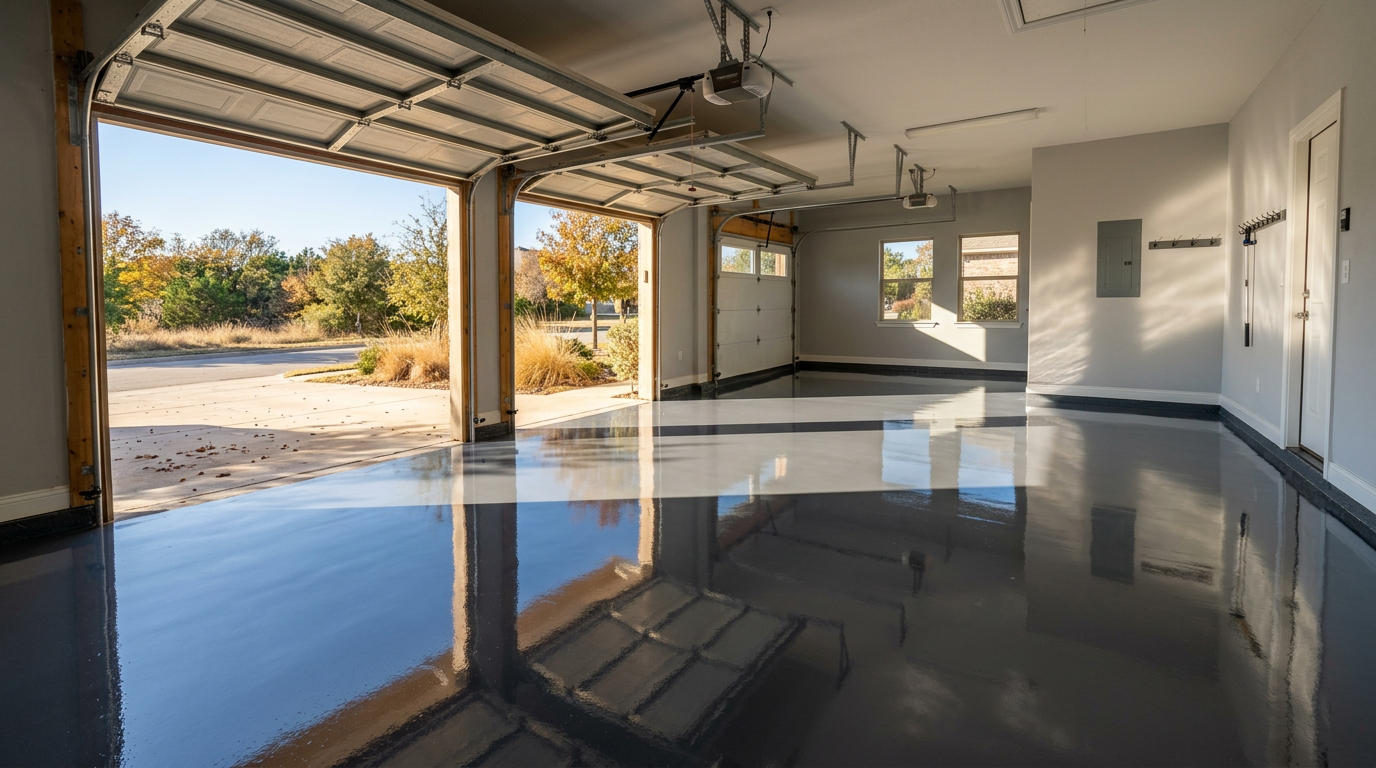
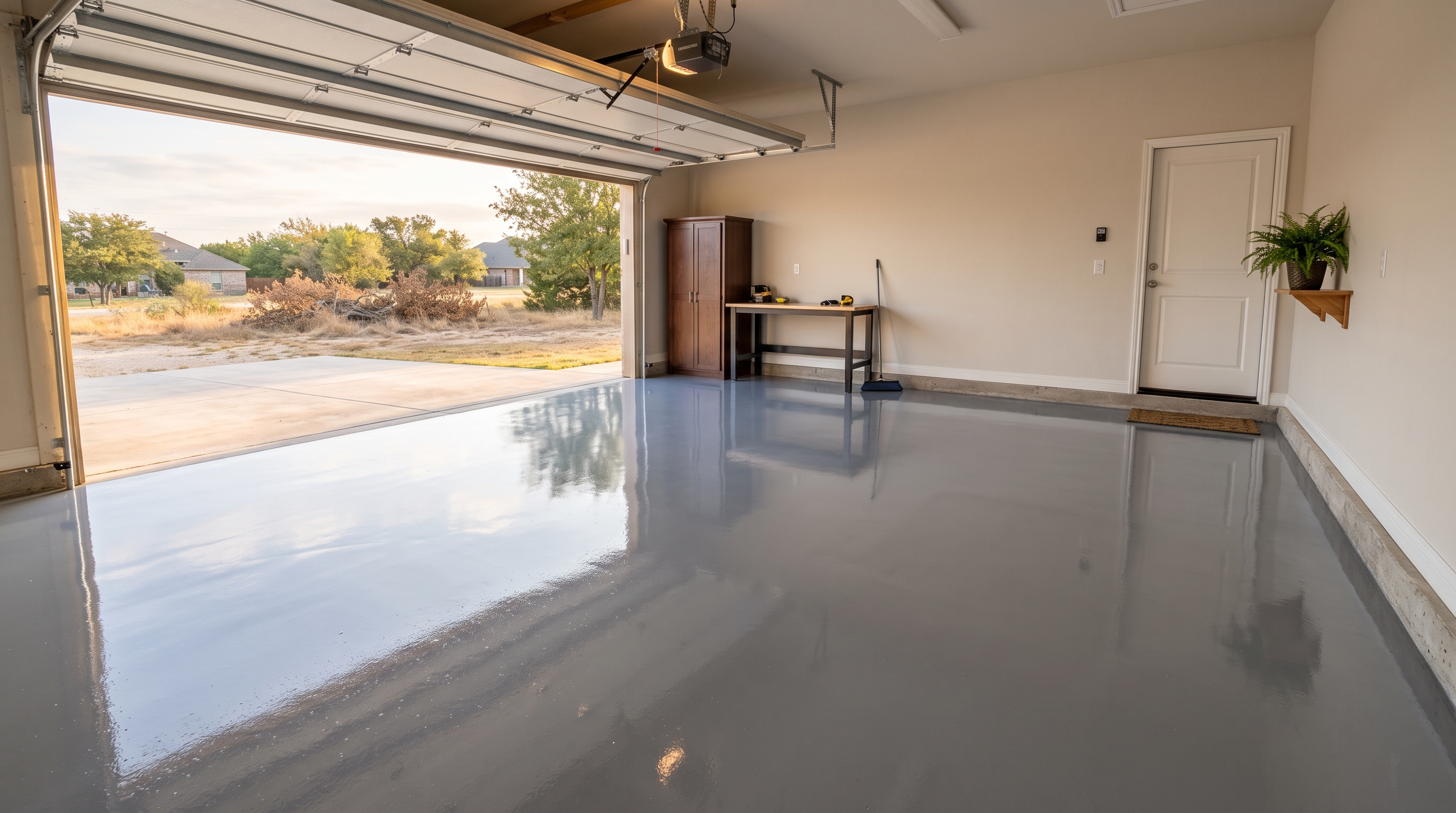
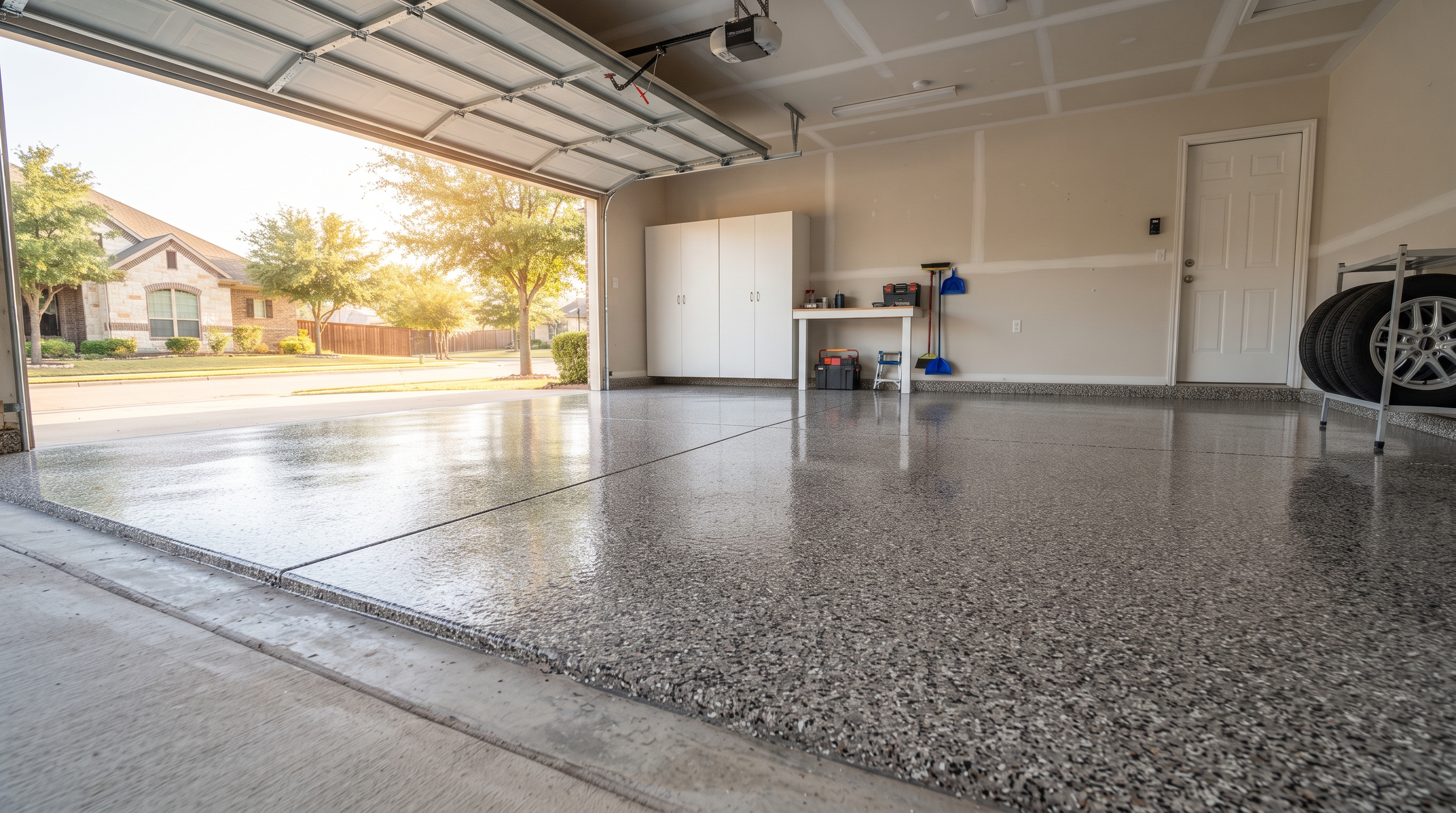
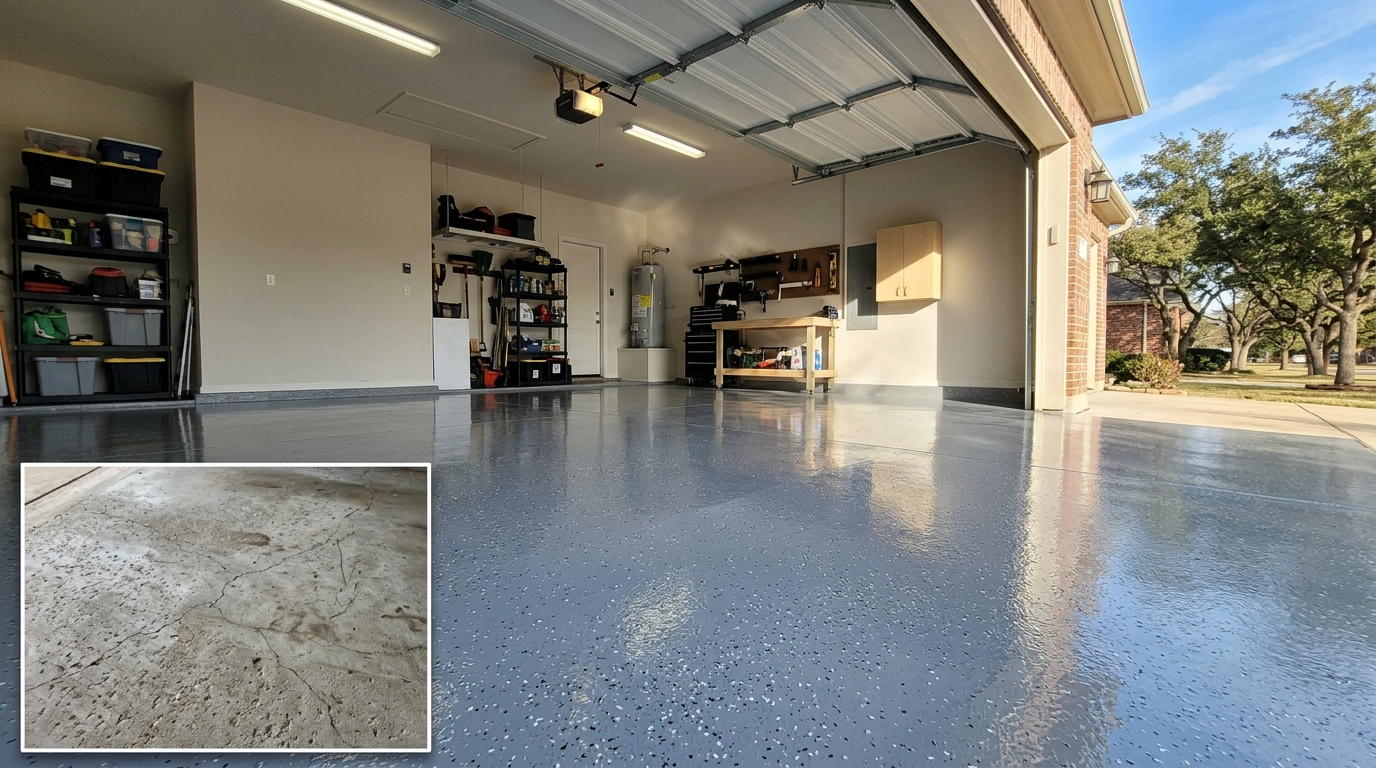
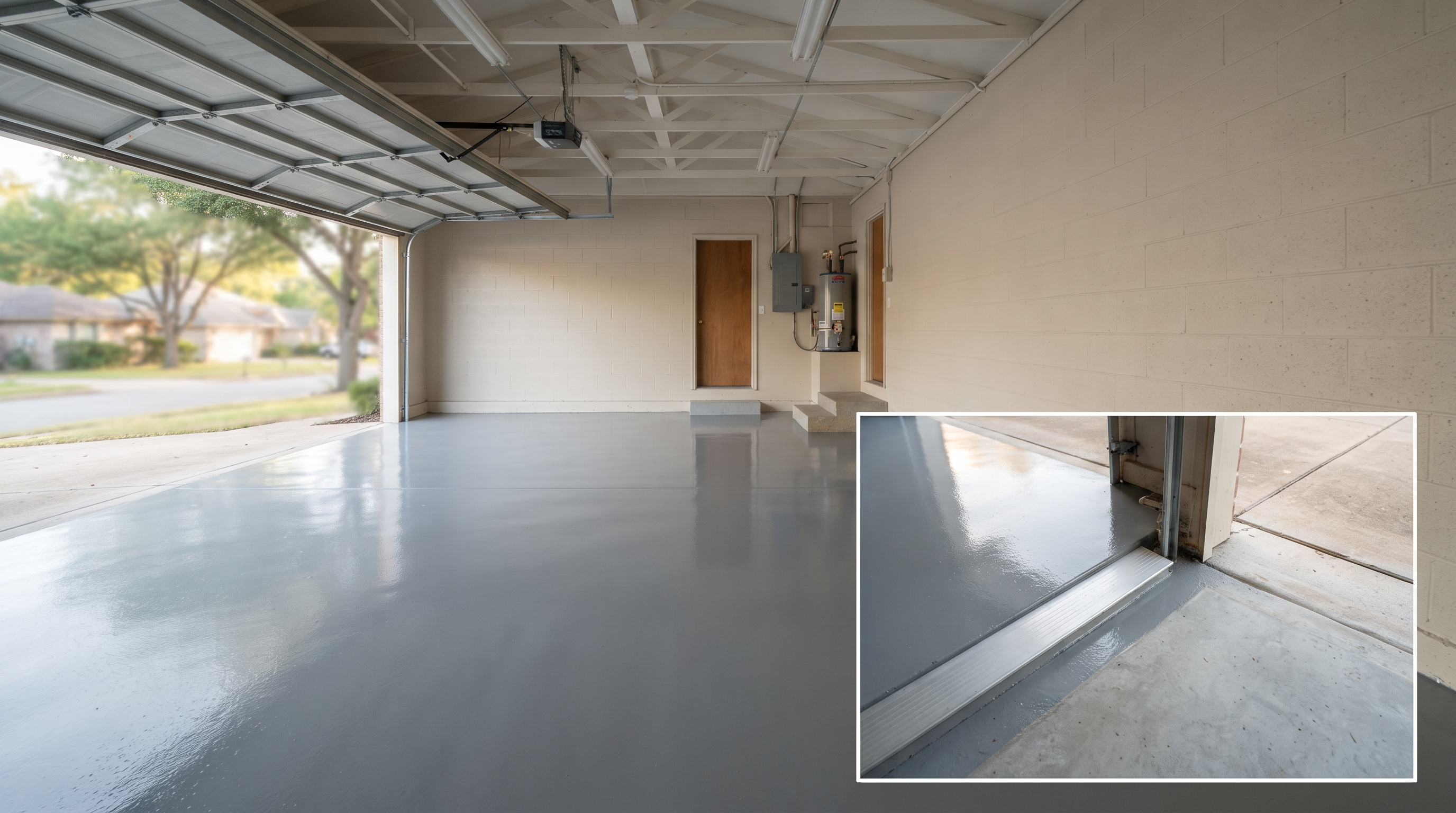
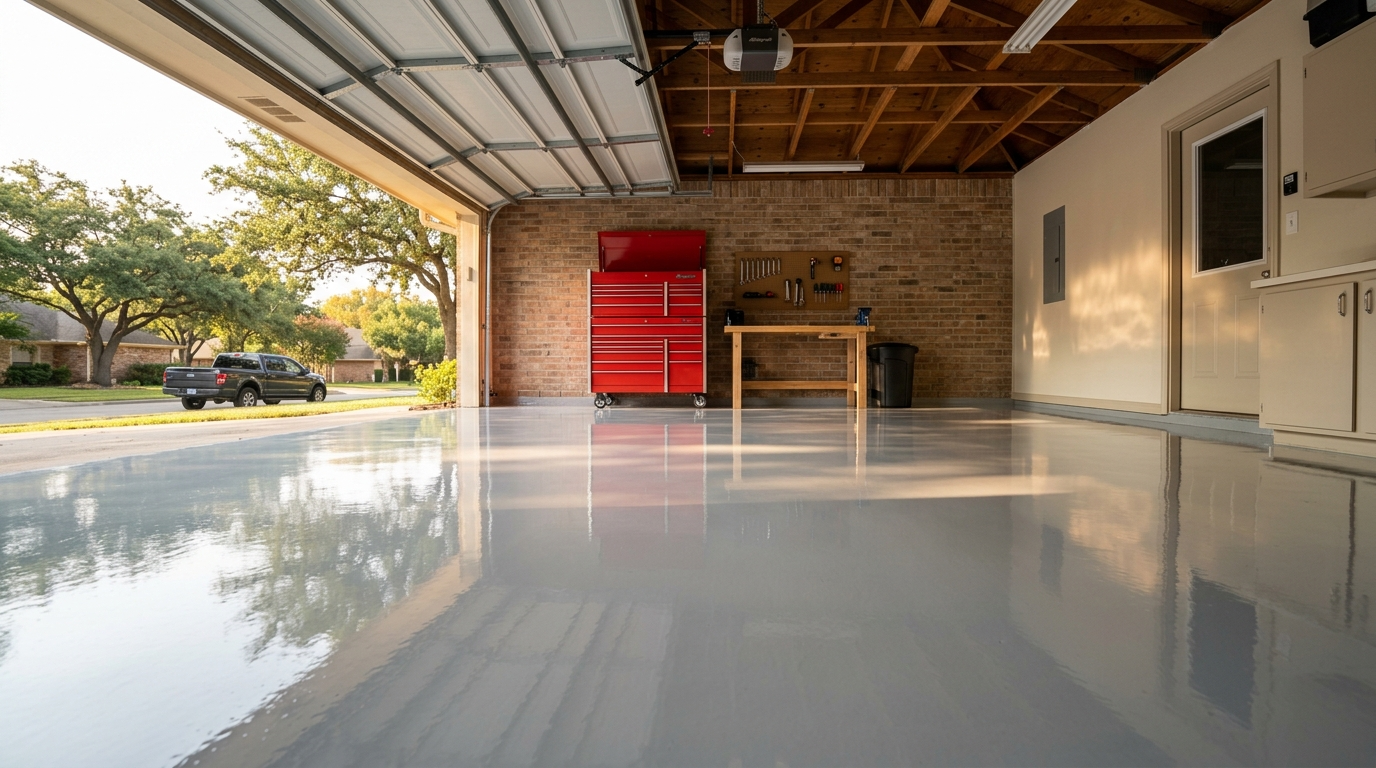
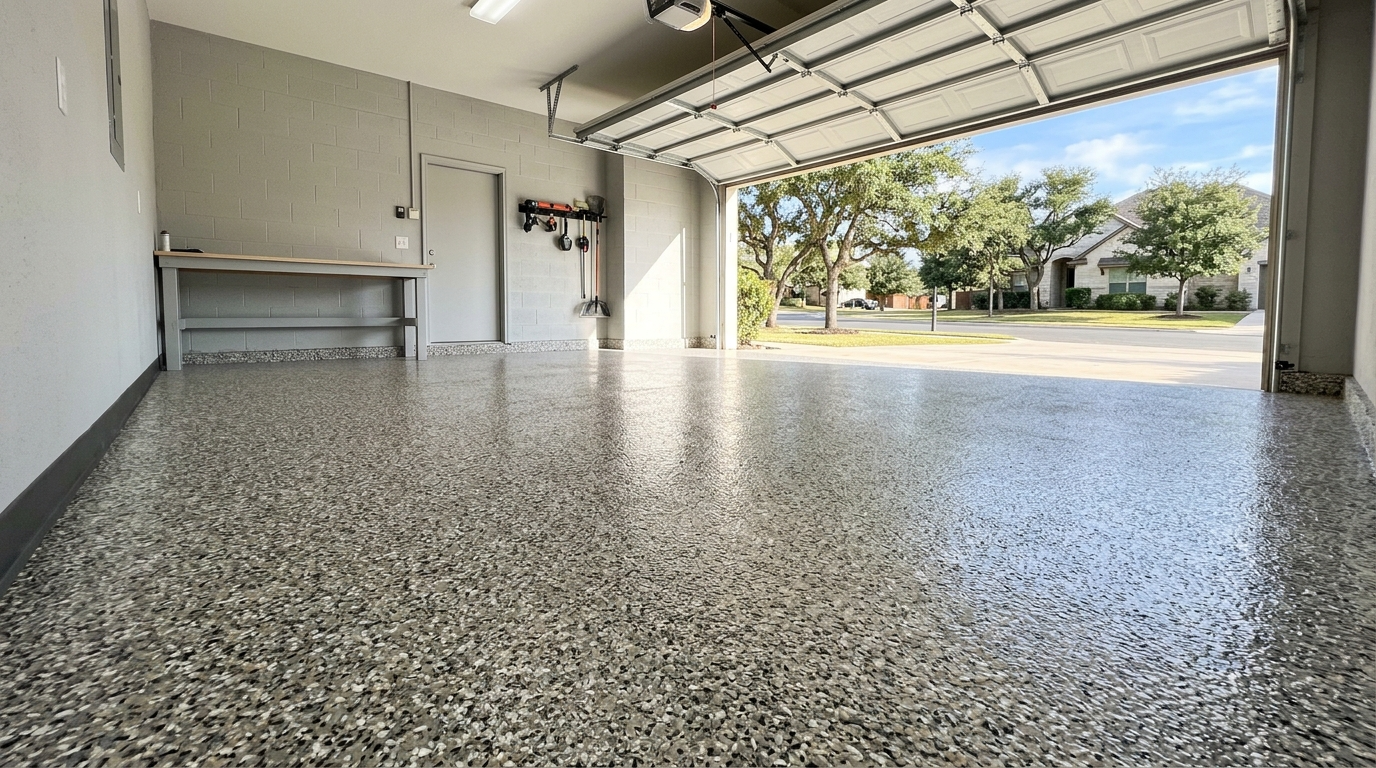
A finished floor changes how light moves through a room. Bare concrete tends to absorb light unevenly and often makes a space feel darker than it should. It can also look dusty, flat, and visually heavy, especially in work areas where dirt and wear build up quickly. Once the floor is properly finished, the surface usually reflects more available light back into the room instead of letting it disappear into a dull, porous slab.
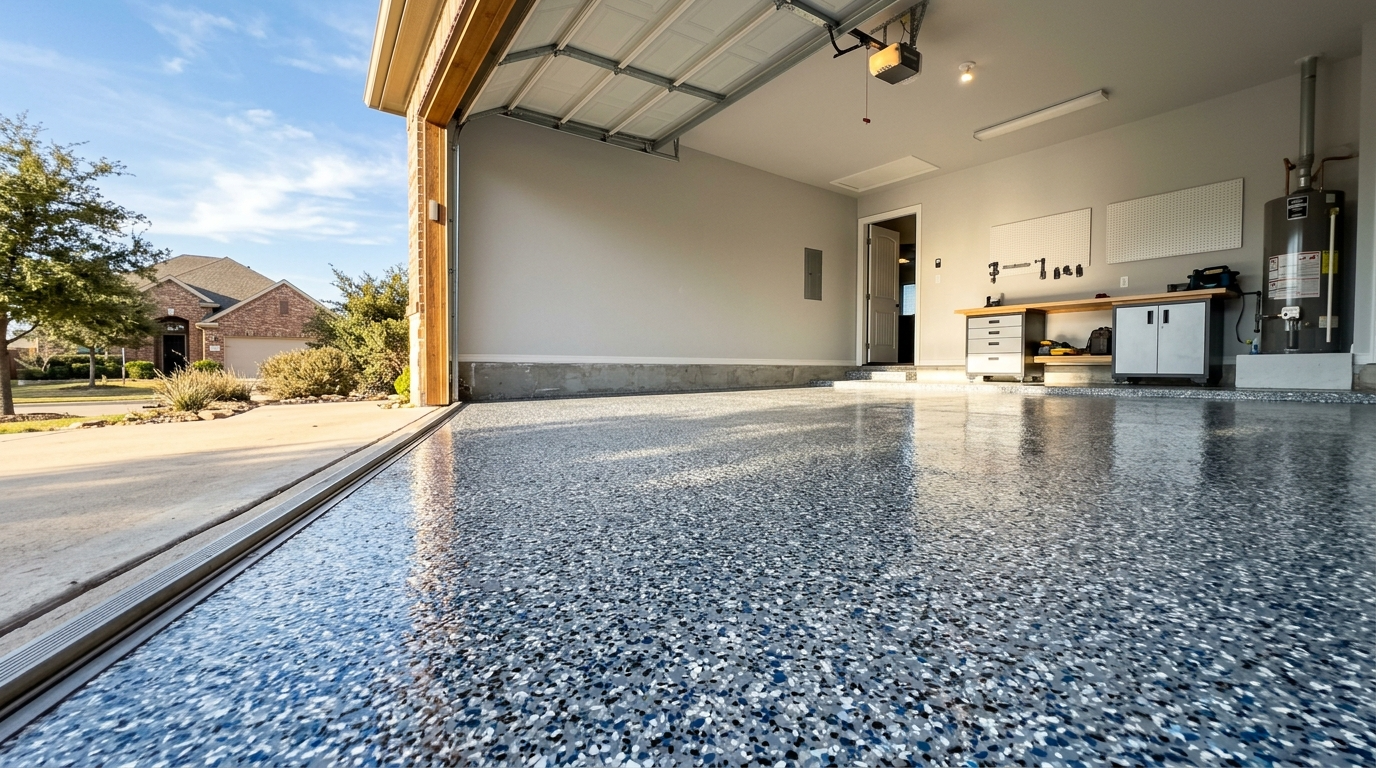
That reflected light can improve how the entire workspace reads to the eye. Edges look clearer. Cleanliness is easier to judge. Storage areas feel more defined. In some settings, even existing lighting appears to perform better because the floor is helping distribute brightness instead of muting it.
This is one reason finished workspaces often feel upgraded immediately, even before anything else changes. The lighting may be exactly the same as before, but the room looks more usable because the surfaces are working with the light instead of against it.
Why Better Visibility Supports Everyday Work
Improved visibility is not just about making a space look nicer. It can also support better daily function. In any workspace, people need to see what they are doing clearly. That includes spotting debris, reading surface conditions, locating tools or materials, and moving through the area safely and efficiently.
A darker, duller floor can make a room feel closed in, especially in spaces with limited natural light. A properly finished floor helps lift that effect. It can make corners less visually heavy and reduce the murky look that often settles into work environments over time. That is useful in garages, shops, storage areas, and commercial work zones where practicality matters more than decoration.
In straightforward terms, better light reflection helps the workspace work better. It makes the environment easier to read and easier to maintain. That is a practical benefit, not just a design preference.
Finished Floors Help Workspaces Look Cleaner and More Professional
One of the biggest visual differences between unfinished concrete and a properly finished floor is how clean the space appears. Even when a workspace is swept regularly, unfinished concrete often continues to look dusty or tired. It holds onto a chalky, worn appearance that can make the room feel older and harder to manage.
A finished surface changes that. When the floor reflects light more evenly, the room tends to feel cleaner, sharper, and more deliberate. That can matter for business owners who want customers or staff to walk into a more professional-looking environment. It also matters for homeowners who use a garage or shop space as an extension of the home rather than just a rough storage zone.
This is especially useful in Texas, where dust, traffic, and daily wear can quickly make unfinished workspaces feel dull again. A durable finished floor helps the space hold its appearance better while also making routine cleaning more effective.
Where Light Reflection Makes the Biggest Difference
Not every room benefits from the same flooring approach, but some finished workspaces gain a lot from improved light reflection.
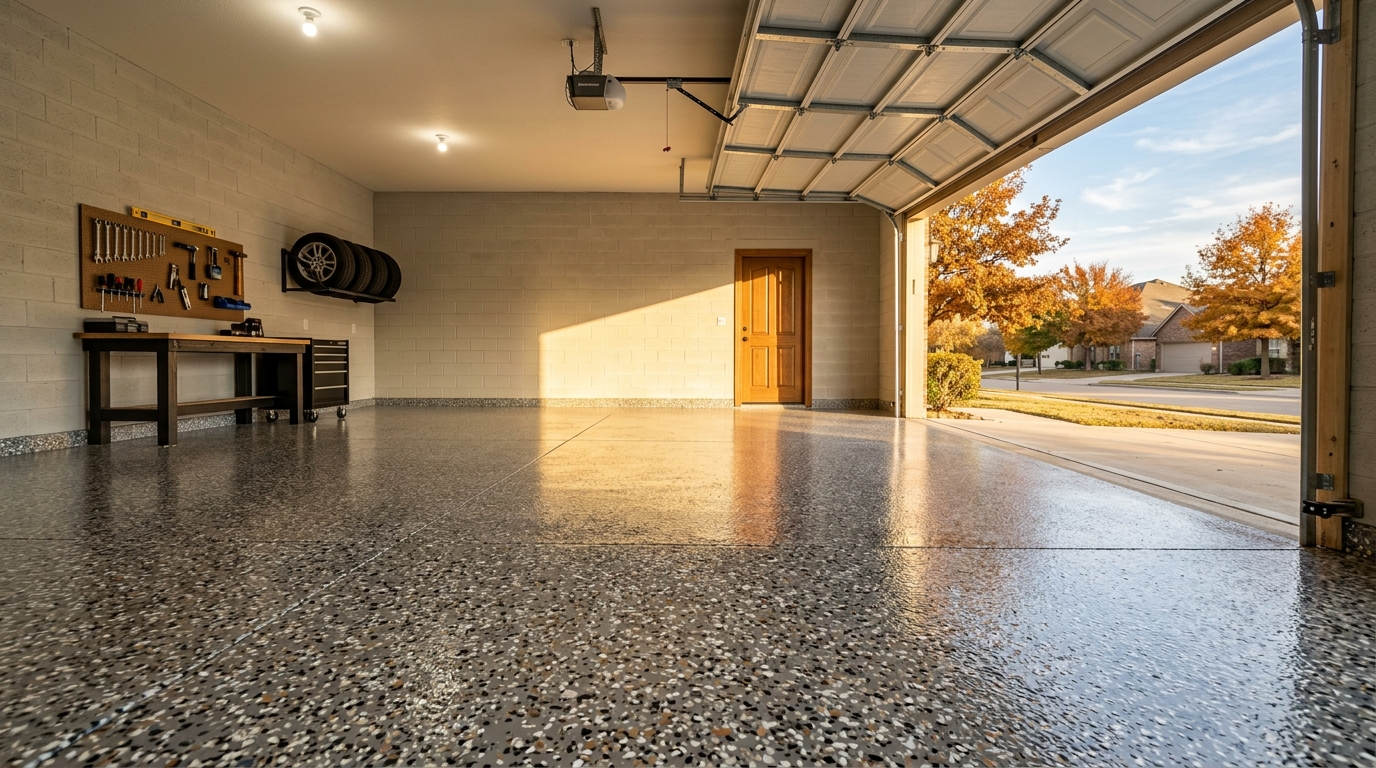
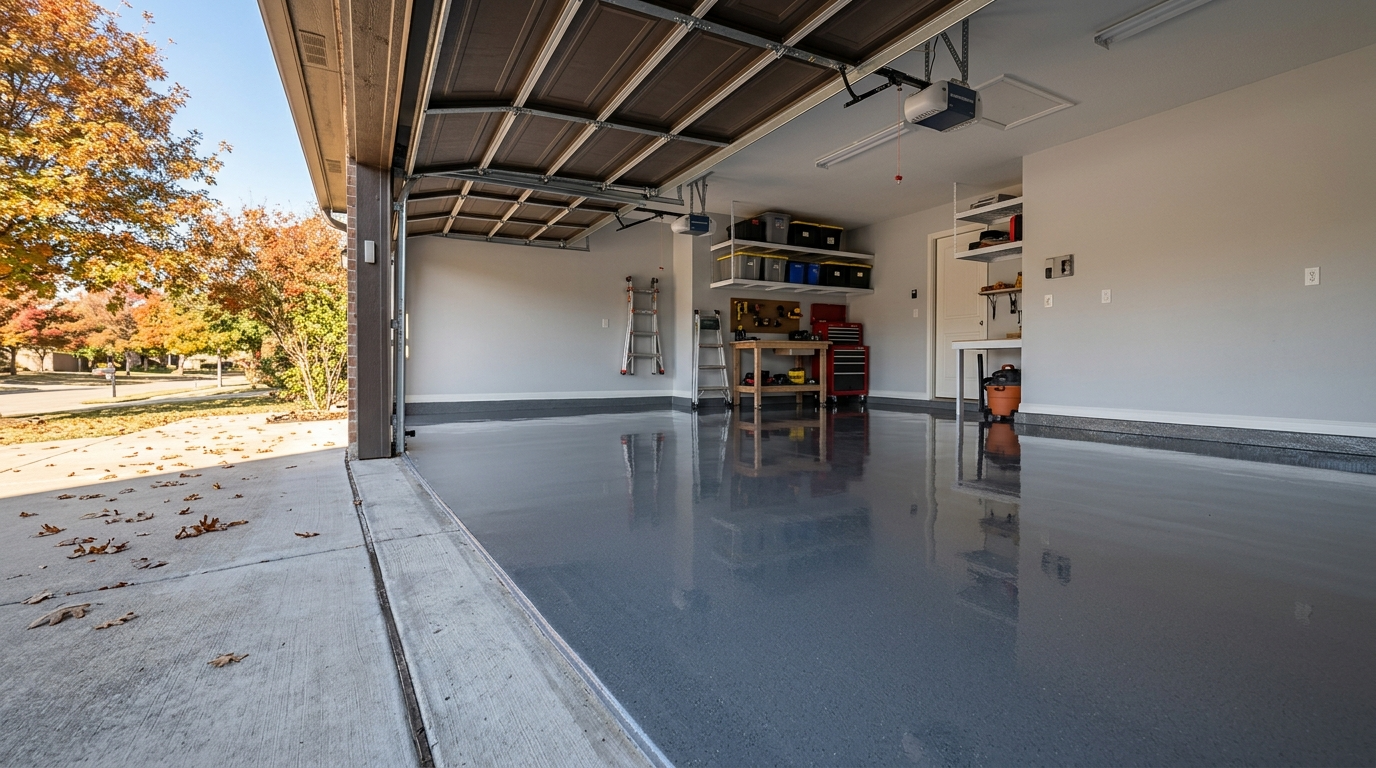
Garages are an obvious example. Many garages rely on limited overhead lighting, and a dull floor can make the entire space feel dimmer than it needs to be. A finished floor helps brighten the room and makes it easier to use for projects, storage, and general movement.
Commercial work areas also benefit. Warehouses, service areas, showrooms with work zones, and light industrial spaces often need practical visibility without unnecessary design complexity. In those settings, a floor that helps spread available light can support a more efficient and presentable environment.
Home workshops, utility rooms, and hobby spaces can see the same benefit. These rooms are often used for detail-oriented tasks, and a brighter-looking surface can make the whole area feel more functional.
Why the Right Finish Matters More Than Just More Shine
It is important not to confuse better light reflection with the idea that every floor should be as glossy as possible. The goal is not glare. The goal is useful visibility and a cleaner visual result. The right finish depends on how the workspace is used, how much traffic it handles, and what kind of long-term performance the owner needs.
For NES Flooring, that means focusing on durable, practical finished surfaces that improve the way a workspace performs without overselling unnecessary effects. The point is not to chase a flashy appearance. It is to create a floor that looks better, works harder, and holds up in a real Texas environment.
That kind of approach matters because a workspace floor has to deliver more than a first impression. It has to support regular use, resist wear, and maintain a strong appearance over time. A finish that improves visibility while also standing up to daily demands is the kind of upgrade that makes sense.
Who Should Consider This Kind of Flooring Upgrade
Property owners who use their spaces for hands-on work, storage, service operations, or frequent daily traffic should pay close attention to how much the floor affects visibility. The benefit is often stronger than expected in garages, commercial back rooms, workshops, and utility spaces where the existing concrete makes the room feel darker and less finished.
This is also a smart consideration for owners preparing to improve the overall usability of a workspace without taking on a full renovation. Lighting upgrades matter, but so does the surface that lighting lands on. If the floor is still unfinished, dusty, or visually flat, the room may never look as bright as it could.
A finished floor can be one of the most efficient ways to improve how the space feels without changing the layout at all.
Common Questions About Light Reflection in Finished Workspaces
Does a finished floor really make a workspace look brighter?
Yes. A properly finished floor can reflect available light more effectively than unfinished concrete, which often helps the room feel brighter and easier to use.
Will more light reflection create too much glare?
Not necessarily. The right finish should improve visibility without creating a harsh or distracting surface. The best result depends on the workspace and how it is used.
Is this only helpful in commercial spaces?
No. Garages, home workshops, and utility spaces can benefit just as much from improved light reflection and a cleaner-looking floor.
Does better visibility mean the floor is only about appearance?
No. Better visibility can support daily function, cleaning, organization, and overall usability in a workspace.
Why NES Flooring Is a Strong Choice for Practical Workspace Improvements
A good workspace floor should do more than cover concrete. It should improve how the room performs under everyday conditions. NES Flooring takes a straightforward approach built around durability, practical results, and surfaces that make sense for real Texas properties.
That means helping owners choose flooring solutions that improve visibility, support easier maintenance, and create a more finished environment without unnecessary complexity. The goal is not to make the workspace look dramatic. The goal is to make it look better, work better, and last.
Upgrade Your Workspace With a Floor That Helps the Whole Room Perform Better
If your garage, shop, or commercial workspace still feels dim, dusty, or unfinished even with decent lighting, the floor may be a bigger part of the problem than you think. A properly finished surface can help reflect light, improve visibility, and make the entire room feel cleaner and more usable.
Ready to work with NES Flooring?
Let's connect! We’re here to help.
Send us a message and we’ll be in touch.
Or give us a call today at 817-668-5051
More from NES Flooring: