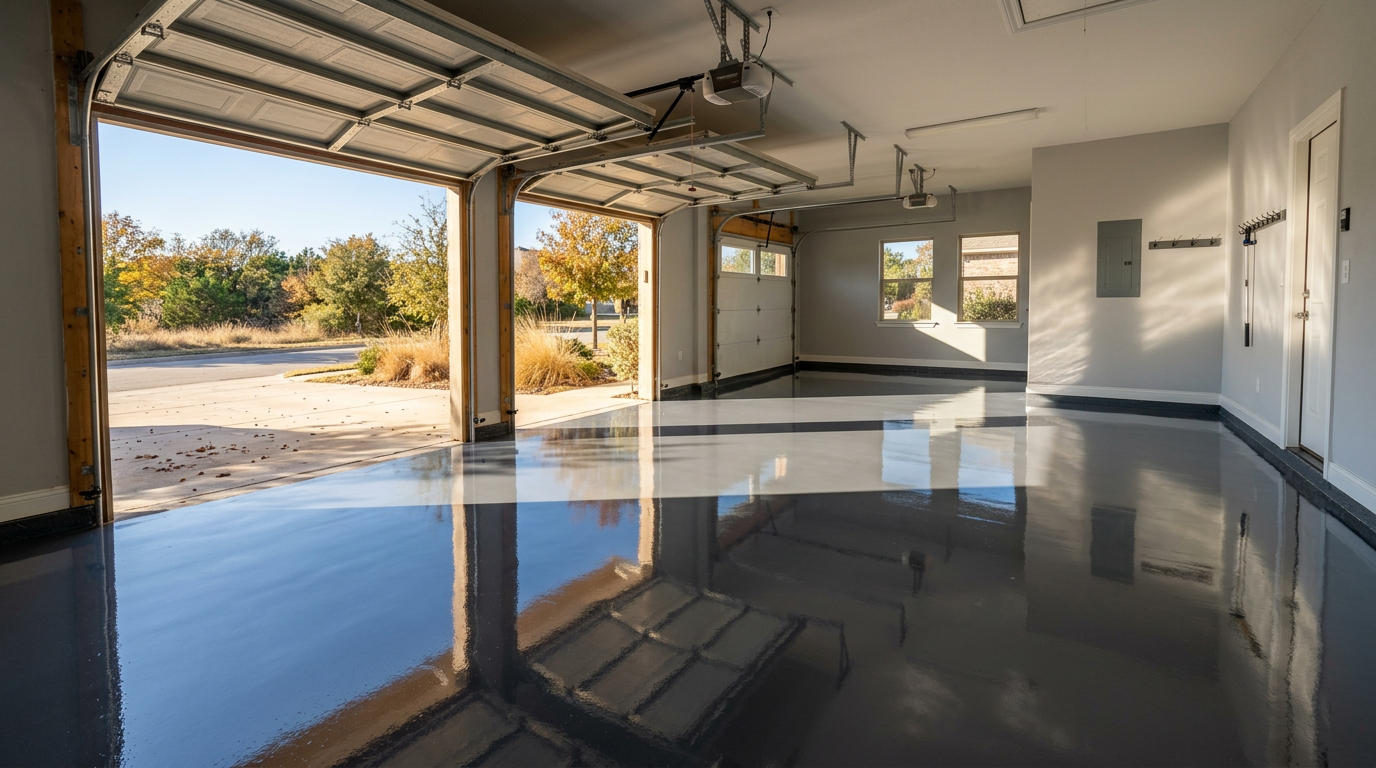
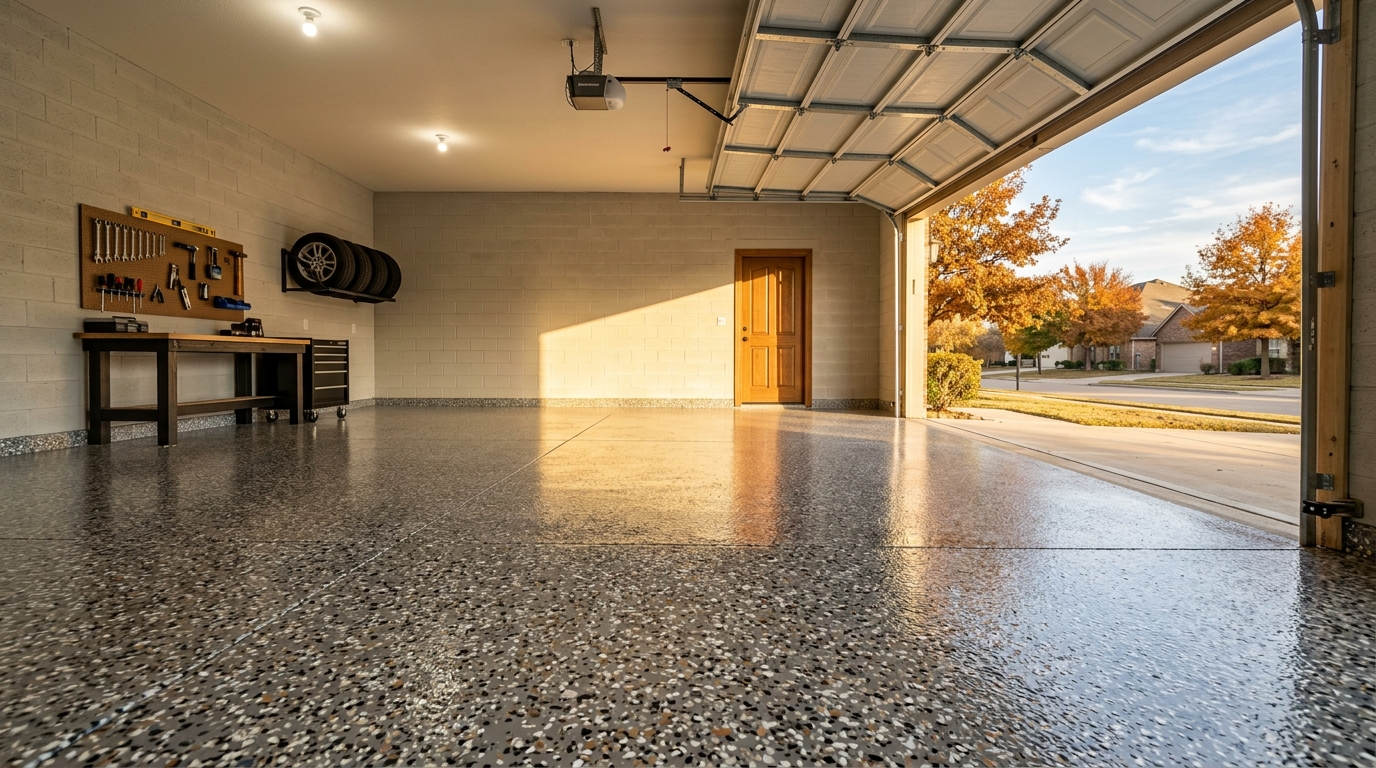
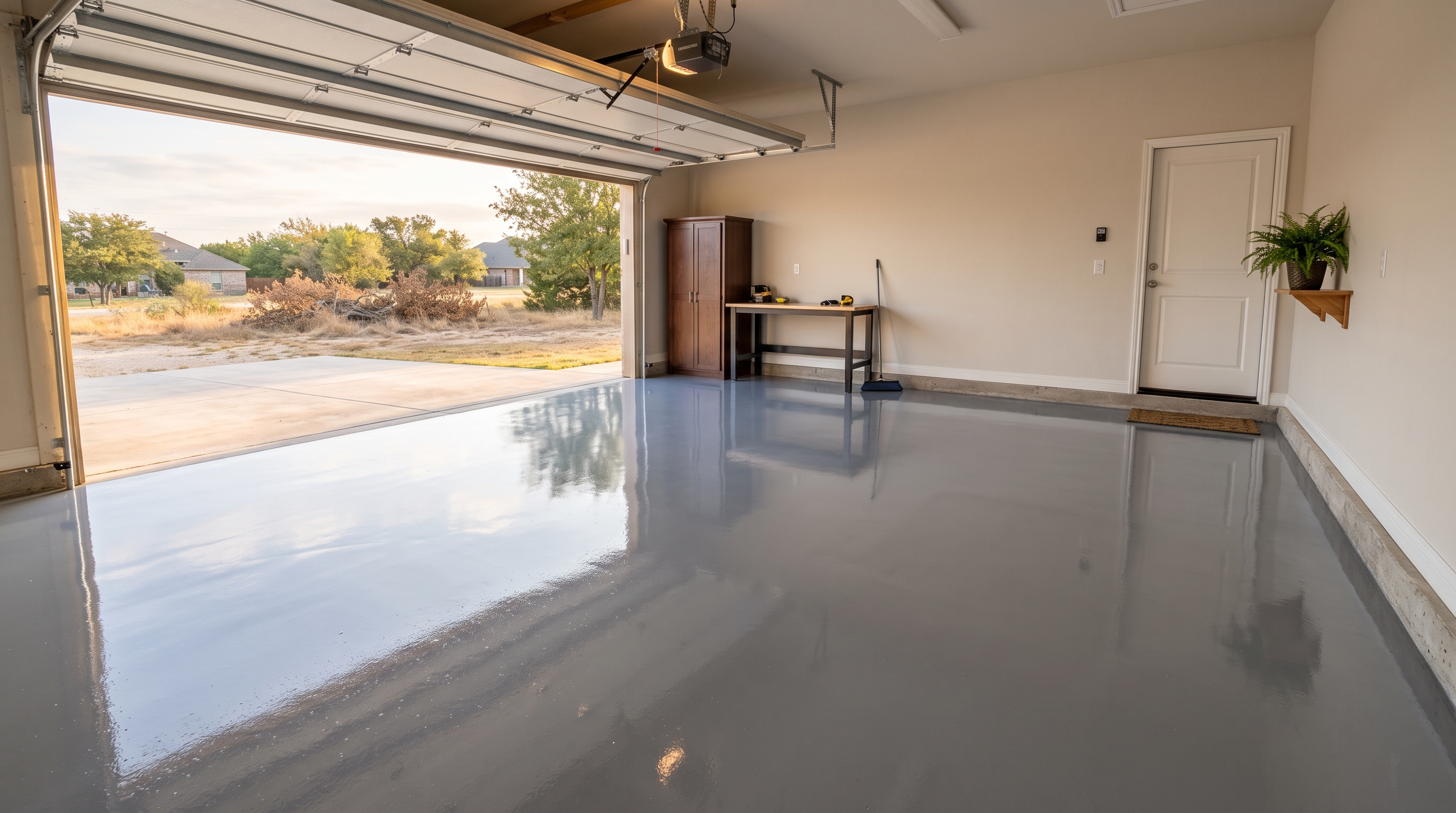
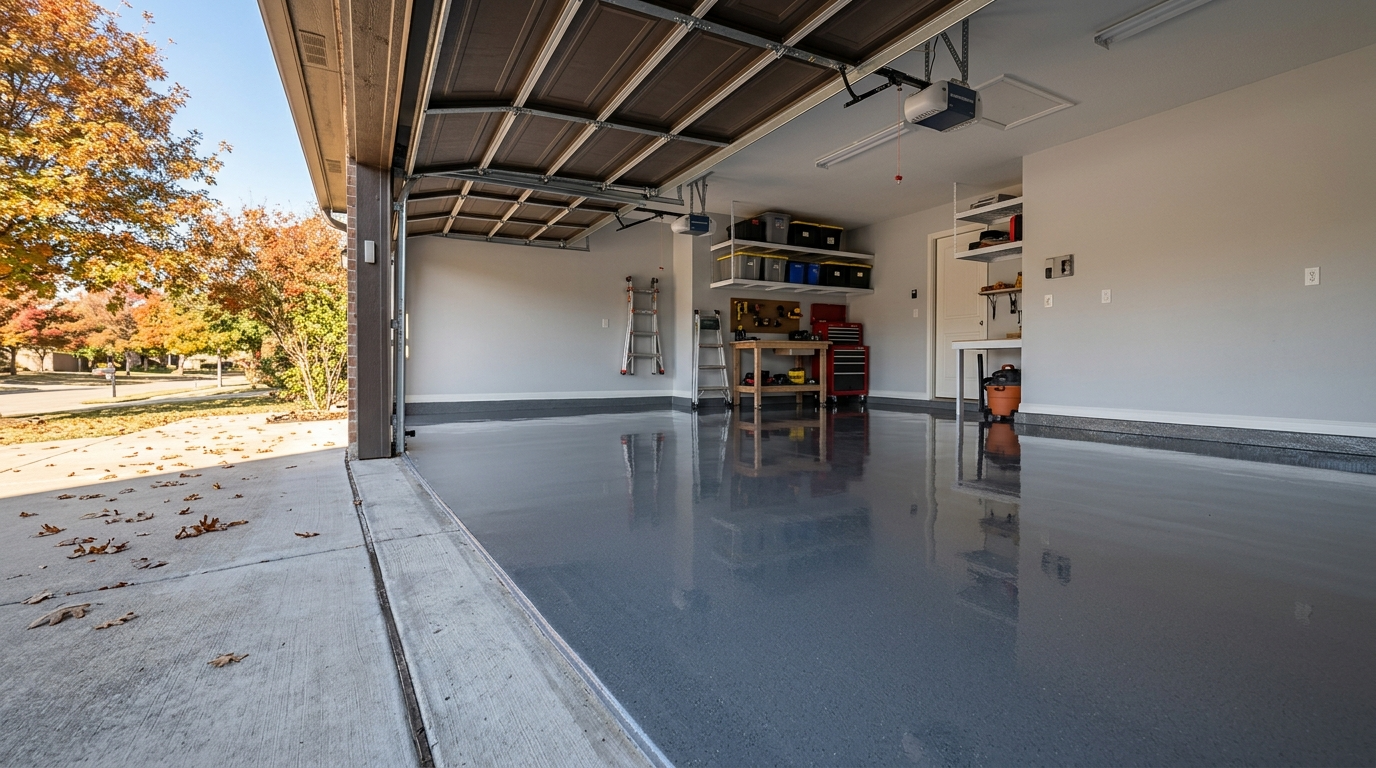
Why Epoxy Floors Fail in Texas - How to Prevent Peeling, Bubbling, and Early Wear
Epoxy floors fail in Texas homes and shops for a few predictable reasons, and most of them have nothing to do with epoxy being a bad flooring option. The real problems usually start with poor concrete preparation, hidden moisture in the slab, a coating system that is too weak for the space, or an installation process that does not account for Texas heat and day-to-day wear. When those issues are ignored, the floor may look good right after installation, then begin peeling, bubbling, chipping, or wearing out much earlier than it should.
For Texas property owners, that matters because a failed coating is rarely a simple touch-up job. Once bond failure starts, the floor often needs partial or full removal before a new system can be installed correctly. That means more downtime, more labor, and more money spent fixing a problem that could have been avoided with the right approach from the beginning.
Why Epoxy Floor Problems Show Up Faster in Texas
Texas puts more stress on floor coatings than many people realize. Garage slabs get hot. Shop floors see heavy traffic, rolling equipment, dropped tools, chemical spills, and constant dirt. In many properties, the slab also deals with moisture vapor that is not obvious from the surface. That combination makes Texas a place where weak coating systems tend to fail fast.
A garage floor that only needs to look decent for a few months is one thing. A floor that needs to hold up to hot tires, repeated cleaning, work activity, and seasonal temperature swings is another. That is why epoxy success in Texas depends less on appearance and more on preparation, product selection, and installation quality.
The Most Common Reasons Epoxy Floors Fail in Texas Homes and Shops
Most failed epoxy floors can be traced back to a short list of causes. While the signs of failure may look different from one property to another, the underlying issues are usually the same.
Poor concrete preparation
Epoxy needs a properly prepared surface to bond to the concrete. If the slab still has grease, dust, curing compounds, old paint, sealers, or weak surface material, the coating may bond to that contamination instead of the concrete itself. Once traffic and heat start stressing the surface, the coating begins to separate.
This is one of the most common reasons floors peel in garages and shops. The floor may look smooth and finished at first, but the bond is already compromised from day one.
Moisture vapor in the slab
Concrete can hold and release moisture long after it appears dry on the surface. In Texas, slab conditions vary widely depending on age, drainage, humidity, and whether the space is climate controlled. If moisture testing is skipped and the floor is coated anyway, that vapor can push against the coating from below.
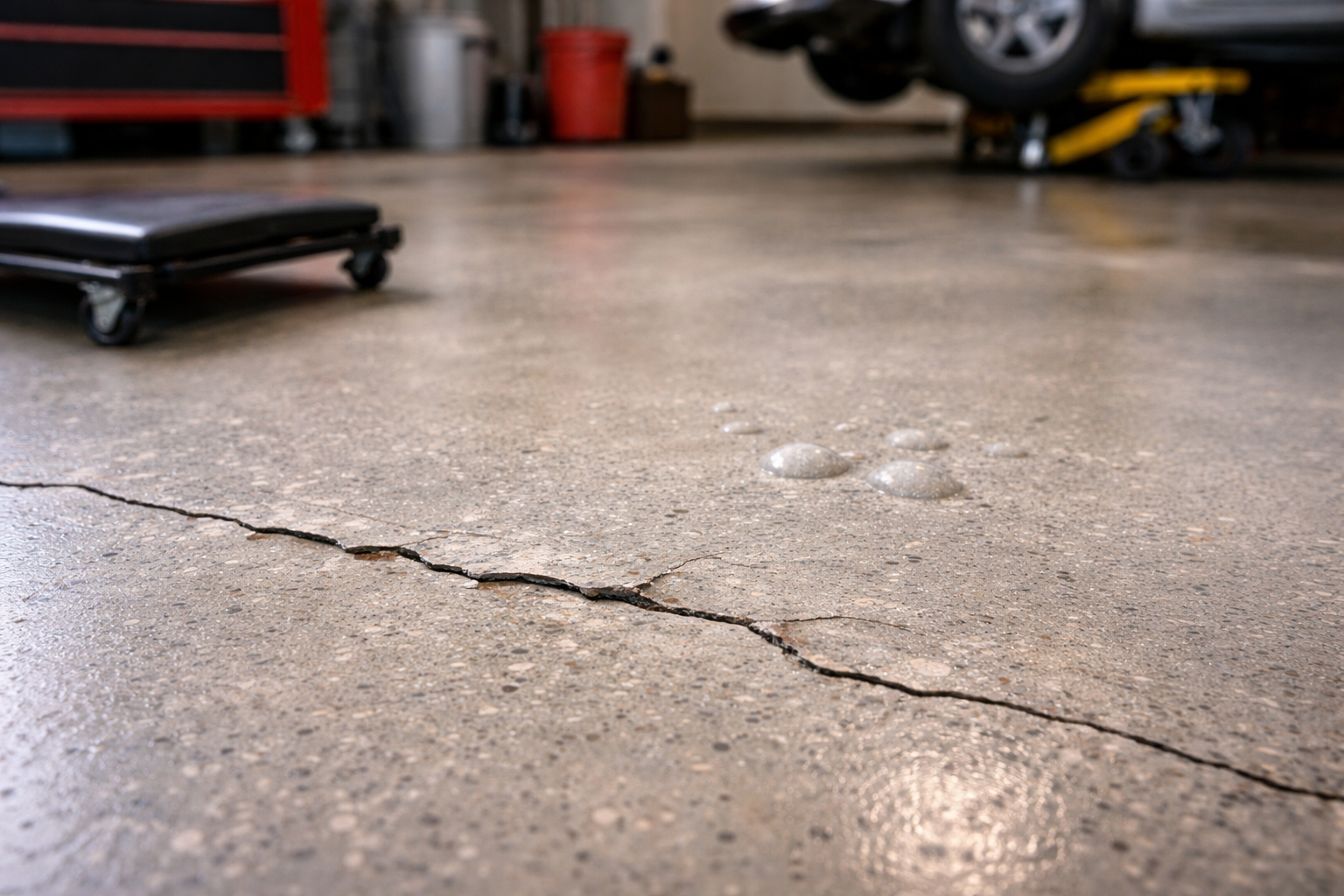
The result may show up as bubbling, blistering, cloudy areas, or widespread delamination. In many cases, property owners assume the product was defective when the real issue was that the slab was not ready.
The wrong coating system for the space
Not every epoxy system is made for the same use. A light-duty coating may work in a low-traffic room but fail quickly in a garage, workshop, or commercial shop. Texas floors often need a system that can handle heat, vehicle traffic, abrasion, and chemical exposure without breaking down early.
A floor can fail even when it was installed neatly if the coating itself was not designed for the demands of the space. That is why matching the system to actual use matters as much as the installation process.
Bad application conditions
Temperature and humidity affect how epoxy behaves during installation. In Texas, high heat can shorten working time and reduce the margin for error. If the material is mixed, spread, or cured under poor conditions, the finish may harden improperly or fail to bond as expected.
A floor installed too fast or under the wrong jobsite conditions may look acceptable at first, but it often reveals problems once the surface goes into real use.
How Texas Heat and Daily Use Put More Pressure on Epoxy Floors
In Texas garages and shops, the slab can heat up fast, especially near entry points and non-conditioned spaces. Add hot tires, repeated expansion and contraction, and the normal movement of tools or equipment, and the coating has to work harder than many people expect.
Older slabs can make things worse. Some are porous and absorb contamination easily. Others are dense and hard-troweled, which can create adhesion issues if they are not mechanically prepared the right way. Some have old repairs, hairline cracks, or years of embedded residue from previous use. A one-size-fits-all coating approach does not hold up well under those conditions.
That is why durable floors are not built by guessing. They are built by understanding the slab, the traffic, and the environment before the coating is ever applied.
The Warning Signs of a Failing Epoxy Floor
A failing epoxy floor usually shows signs before the problem becomes severe. Catching those signs early can help property owners address the issue before the damage spreads across the entire floor.
Common signs to watch for
- Peeling along edges, tire paths, or traffic lanes
- Bubbles, blisters, or pinholes in the surface
- Chipping where tools or heavy items hit the floor
- Dull or uneven wear in specific areas
- Sections that sound hollow or loose
- Hot tire pickup in residential garages
- Cloudy or discolored patches that suggest moisture issues
Not every blemish means total failure, but these signs usually point to poor adhesion, slab moisture, or a coating system that was not built for the job.
Who Needs a Stronger Floor Coating System in Texas
Homeowners often think of epoxy only in terms of garages, but the same durability issues matter in workshops, utility areas, storage spaces, service rooms, and commercial shops. Any floor that sees traffic, equipment, impact, or regular cleaning needs a system that can handle real use.
That is especially true for spaces with vehicles, rolling toolboxes, oil drips, chemical exposure, or day-to-day work activity. In those settings, a floor cannot just look good after installation. It has to keep performing long after the first week, the first season, and the first heavy use cycle.
What Professional Epoxy Floor Installation Should Look Like
A durable epoxy floor starts with evaluation, not shortcuts. The slab should be inspected for contamination, surface weakness, cracks, prior coatings, and signs of moisture problems. Once the condition of the concrete is understood, the right preparation method and coating system can be selected for the space.
Professional installation should include
- Mechanical surface preparation that creates the right profile for bonding
- Repair of cracks or damaged surface areas where needed
- Moisture evaluation when slab conditions raise concern
- A coating system chosen for the traffic level and environment
- Clear expectations about maintenance, performance, and limitations
When those steps are skipped, the floor is often judged by how it looks on day one instead of how it performs over time. That is where a lot of Texas epoxy jobs go wrong.
How to Prevent Epoxy Floor Failure in Garages, Shops, and Workspaces
The best way to avoid epoxy floor problems is to focus on process before appearance. Property owners should ask how the slab will be prepared, whether moisture issues will be checked, and what type of system is being recommended for the actual use of the space.
It also helps to be honest about how the floor will be used. A garage that stores one vehicle and sees occasional foot traffic does not need the same system as a working shop with equipment, heavy traffic, and constant wear. When the floor is built around real conditions instead of sales language, the result is usually more durable and more cost-effective.
Frequently Asked Questions About Epoxy Floor Failure in Texas
Why do epoxy floors peel off concrete?
Peeling usually happens because the coating did not bond properly to the slab. The most common causes are poor surface preparation, contamination on the concrete, or moisture vapor pushing up from below.
Can moisture really ruin an epoxy floor?
Yes. Moisture vapor can create blistering, bubbling, cloudy areas, and full bond failure. A slab may look dry on top while still holding enough moisture to cause coating problems.
Does Texas heat make epoxy floors fail faster?
Texas heat can expose weaknesses faster, especially in garages and shops with hot tires, non-conditioned spaces, and repeated temperature swings. Heat alone is not always the cause, but it often reveals problems tied to prep, product choice, or installation quality.
Can a peeling epoxy floor be repaired?
Small isolated areas can sometimes be repaired, but widespread peeling usually points to a deeper bond issue. In those cases, partial fixes often fail because the root problem was never corrected.
Are all epoxy systems the same?
No. Some systems are made for lighter residential use, while others are built for heavier traffic, impact, and chemical resistance. Choosing the wrong system is one of the main reasons floors wear out too early.
How long should a properly installed epoxy floor last?
That depends on the slab condition, the coating system, and how the space is used. A properly prepared and properly matched floor should last much longer than a rushed or light-duty installation in the same environment.
Why Texas Property Owners Choose NES Flooring
NES Flooring takes a straightforward approach to epoxy flooring because long-term durability matters more than a fast sale. The goal is not to put down a coating that only looks good at first. The goal is to install a floor that fits the slab, fits the space, and holds up under real Texas use.
That means paying attention to preparation, choosing systems based on actual traffic and wear, and avoiding the shortcuts that lead to early failure. For property owners in Texas, that practical approach makes the difference between a floor that starts breaking down early and one that continues to perform.
Get an Epoxy Floor Built for Texas Conditions
If you are considering an epoxy floor for a garage, workshop, or commercial shop, the biggest mistake is treating the job like a simple paint upgrade. The strength of the finished floor depends on the slab underneath it, the prep work before installation, and the system chosen for the way the space is actually used.
NES Flooring installs epoxy floors with durability in mind. If you want a floor built to handle Texas heat, traffic, and daily wear, contact NES Flooring to discuss a system designed for long-term performance.
Ready to work with NES Flooring?
Let's connect! We’re here to help.
Send us a message and we’ll be in touch.
Or give us a call today at 817-668-5051
More from NES Flooring: