How Epoxy Floors Hold Up Against Chemicals and Spills
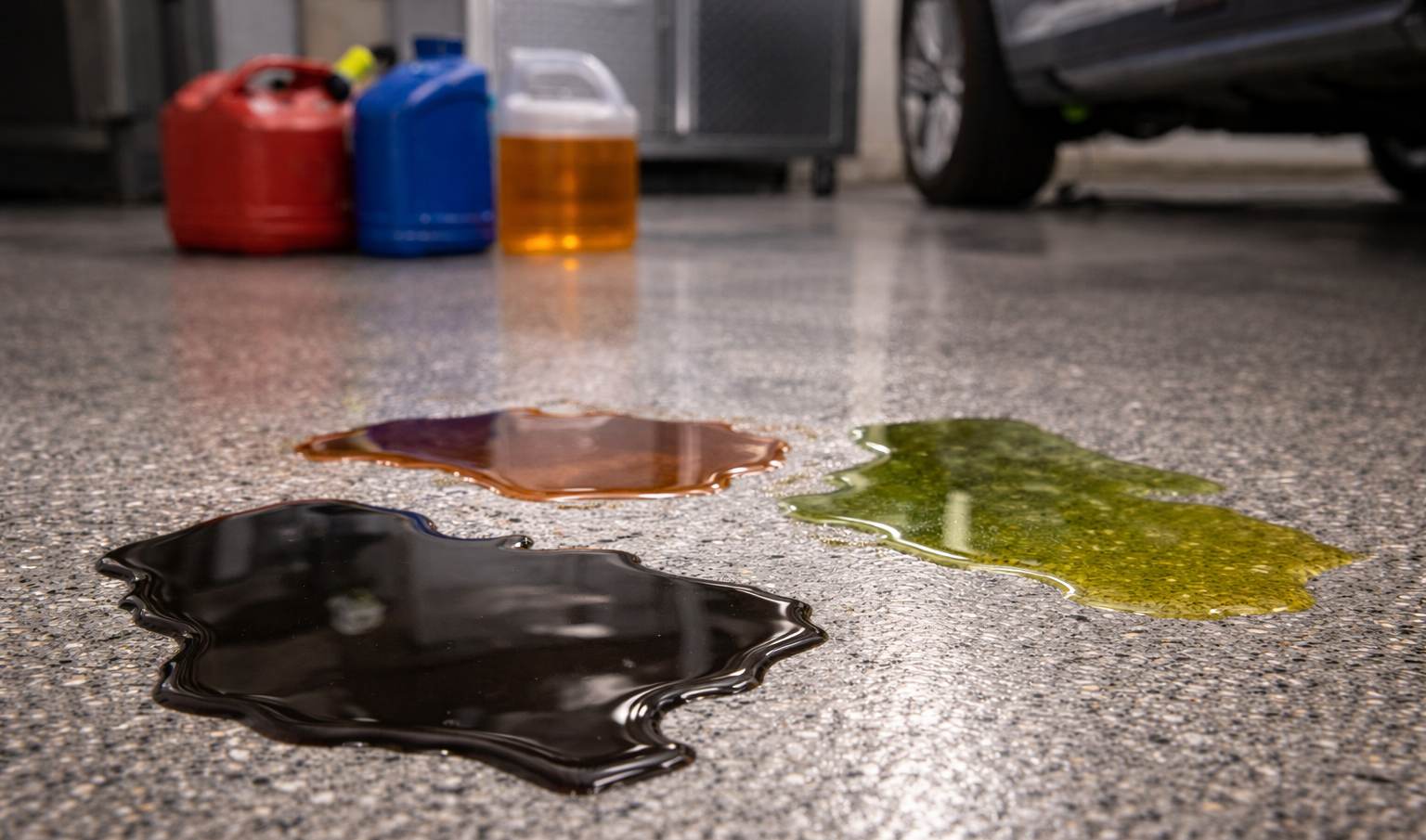
Epoxy flooring is designed for environments where spills are not a possibility but a certainty. In garages, warehouses, shops, and commercial facilities, floors are exposed to oil, fuel, cleaners, and harsh substances on a regular basis. Epoxy floors are built to handle that abuse while protecting the concrete beneath and reducing long-term maintenance costs.
For property owners who value durability over decoration, epoxy provides a straightforward, dependable solution.
Why Concrete Needs Protection From Chemicals
Bare concrete is porous by nature. When liquids hit the surface, they soak in quickly. Oils, fuels, and chemicals penetrate the slab, leaving permanent stains and weakening the concrete over time.
Once contaminants enter the concrete, they are nearly impossible to remove completely. This leads to odor retention, surface breakdown, and reduced service life.
Epoxy solves this problem by sealing the surface and eliminating absorption.
How Epoxy Floors Resist Chemical Damage
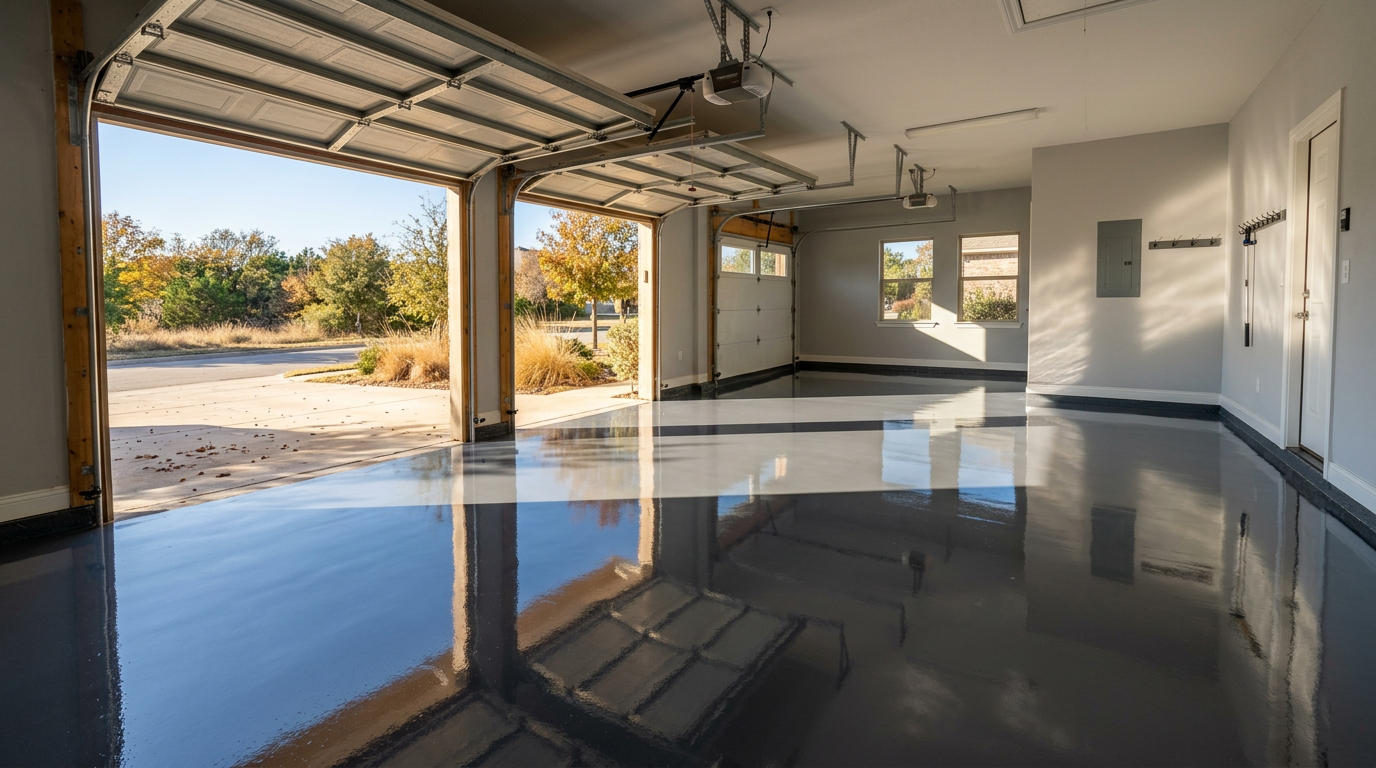
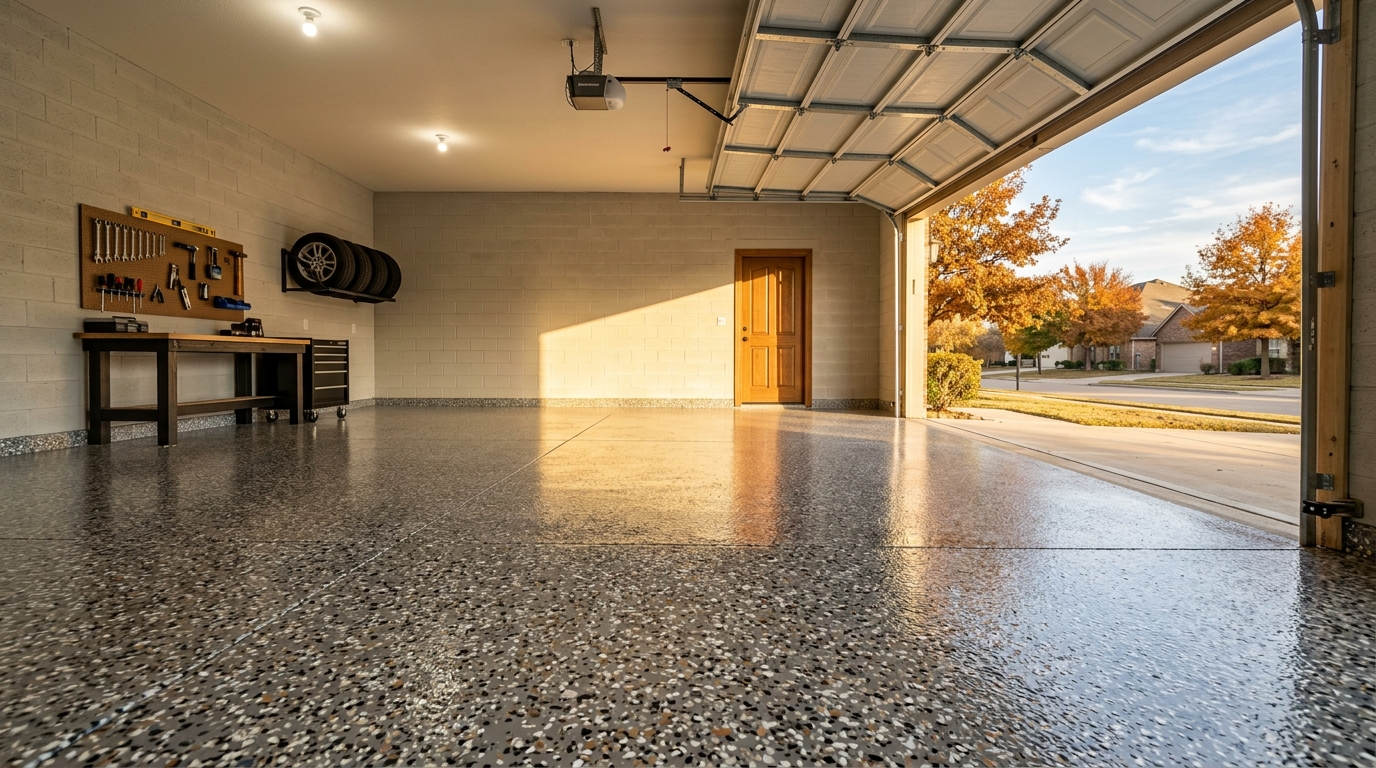
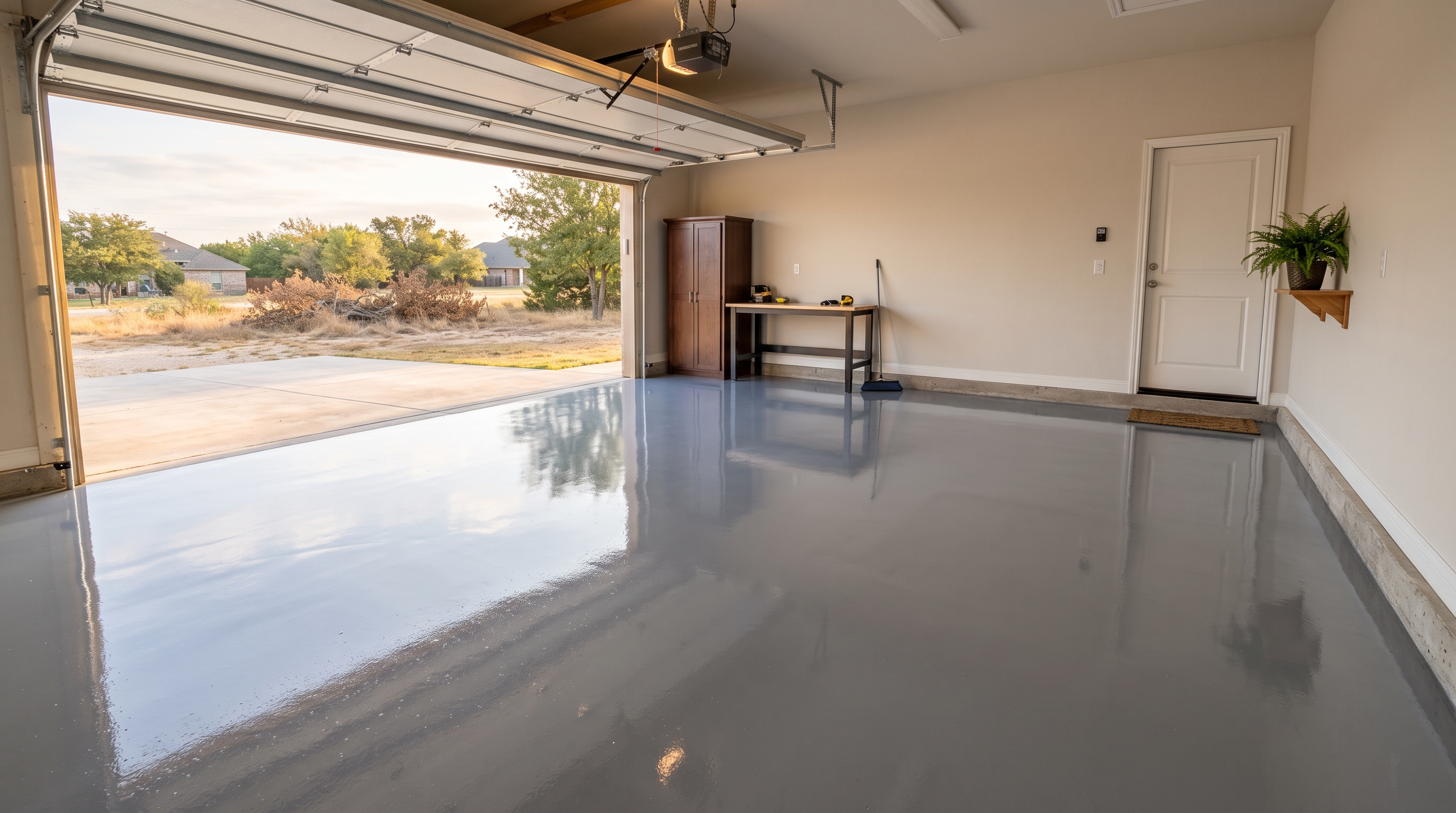
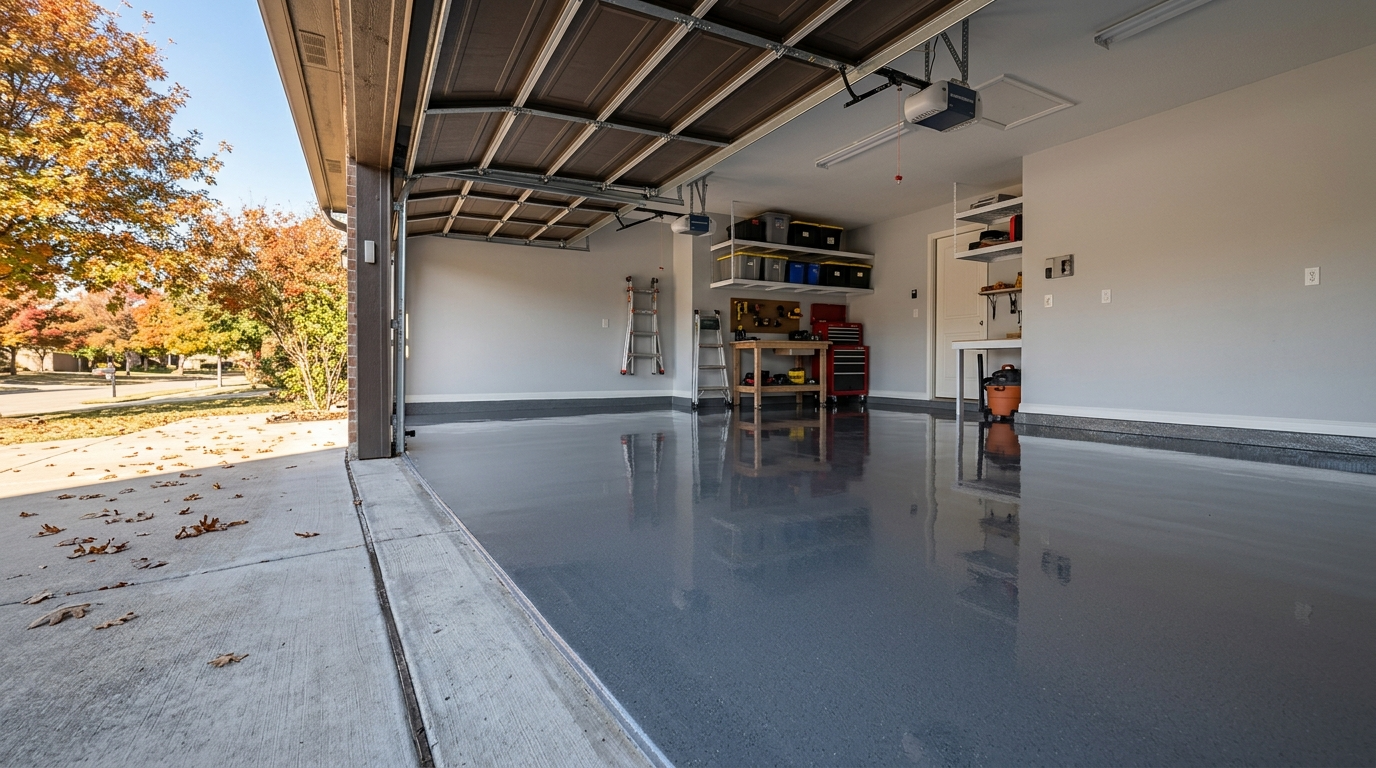
Epoxy coatings form a hard, continuous layer over concrete that blocks liquids and chemicals from penetrating the slab. When spills occur, they stay on the surface and can be cleaned up without leaving damage behind.
Epoxy floors commonly resist exposure to:
• Motor oil and grease
• Gasoline and diesel
• Solvents and cleaners
• Mild acids and alkalis
• Industrial fluids and lubricants
This resistance makes epoxy flooring a practical choice for spaces that see regular chemical exposure.
Why Epoxy Outperforms Paint and Basic Sealers
Paint and low-cost sealers may look similar at first, but they lack chemical resistance. Exposure to oil or solvents causes them to soften, peel, or stain.
Epoxy is different. It chemically bonds to the concrete and cures into a durable, non-porous surface. Once cured, it does not re-soften when exposed to most chemicals.
This performance difference is why epoxy is commonly used in industrial and commercial facilities where failure is not an option.
How Spills Impact Epoxy Floors Over Time
When installed correctly, epoxy floors handle repeated spills without degrading. Most spills can sit temporarily without affecting the coating.
Problems usually arise only when floors are improperly installed or poorly maintained. In those cases, chemicals may attack weak spots or worn areas.
NES Flooring installs epoxy systems with durability in mind, ensuring surfaces are prepared properly and coatings are applied to handle long-term exposure.
Where Epoxy Floors Make the Most Sense
Epoxy flooring is well suited for:
• Residential garages
• Automotive service bays
• Warehouses and storage facilities
• Manufacturing spaces
• Commercial work areas
These environments demand floors that can handle spills without constant repair or replacement.
How Maintenance Affects Chemical Resistance
Epoxy floors are easy to maintain, but routine care extends their lifespan. Cleaning up spills prevents residue buildup that could dull the surface over time.
Basic maintenance includes:
• Prompt spill cleanup
• Regular sweeping and mopping
• Avoiding abrasive tools
• Addressing wear early
With minimal effort, epoxy floors maintain their protective properties for years.
What Proper Installation Looks Like
Chemical resistance depends heavily on installation quality. Moisture testing, surface grinding, and correct mixing ratios are critical steps.
Skipping preparation or rushing installation leads to weak adhesion and reduced performance.
NES Flooring follows a straightforward, no-nonsense approach to ensure epoxy floors are installed correctly the first time.
Why Customers Choose NES Flooring
NES Flooring focuses on durable results. No metallic systems. No decorative extras. Just epoxy floors built to perform under real conditions. Every installation prioritizes strength, longevity, and practicality.
For customers who want a floor that works without constant upkeep, epoxy delivers.
Get a Floor That Can Handle the Mess
If your concrete floor is exposed to oil, chemicals, or frequent spills, epoxy flooring offers proven protection. NES Flooring installs epoxy systems designed for durability and long-term performance. Contact NES Flooring today to protect your concrete with a floor built to take abuse.
Ready to work with NES Flooring?
Let's connect! We’re here to help.
Send us a message and we’ll be in touch.
Or give us a call today at 817-668-5051
More from NES Flooring: