Top 5 Myths About Epoxy Floors Debunked by Pros
Epoxy floors have exploded in popularity across homes, warehouses, shops, and commercial facilities, but misinformation still keeps many property owners from making a smart flooring decision.
As contractors who work with durable, no-nonsense floor systems every day, we hear the same myths repeated over and over. The reality is very different from what many people expect.
Below, we break down the top five myths about epoxy floors and explain what actually holds up in real-world use.
Why Epoxy Floor Myths Can Cost You Money
Believing the wrong information about epoxy flooring can lead to poor material choices, unnecessary repairs, or skipping a solution that would have saved money long term. Many of these myths come from outdated products, DIY failures, or confusing epoxy with cheaper coatings that do not perform the same way.
Understanding what epoxy can and cannot do helps you choose a floor that matches your space, traffic level, and maintenance expectations.
Myth 1 - Epoxy Floors Are Just for Garages
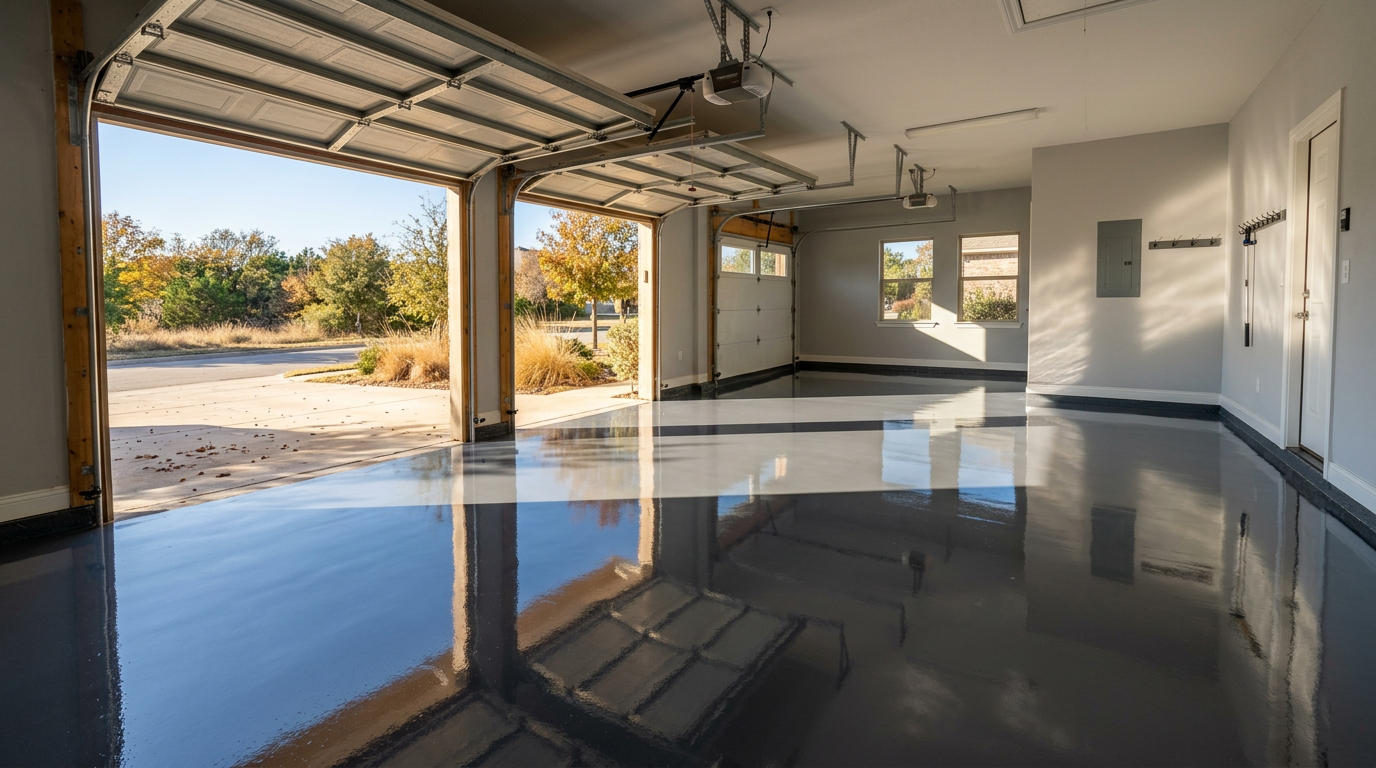
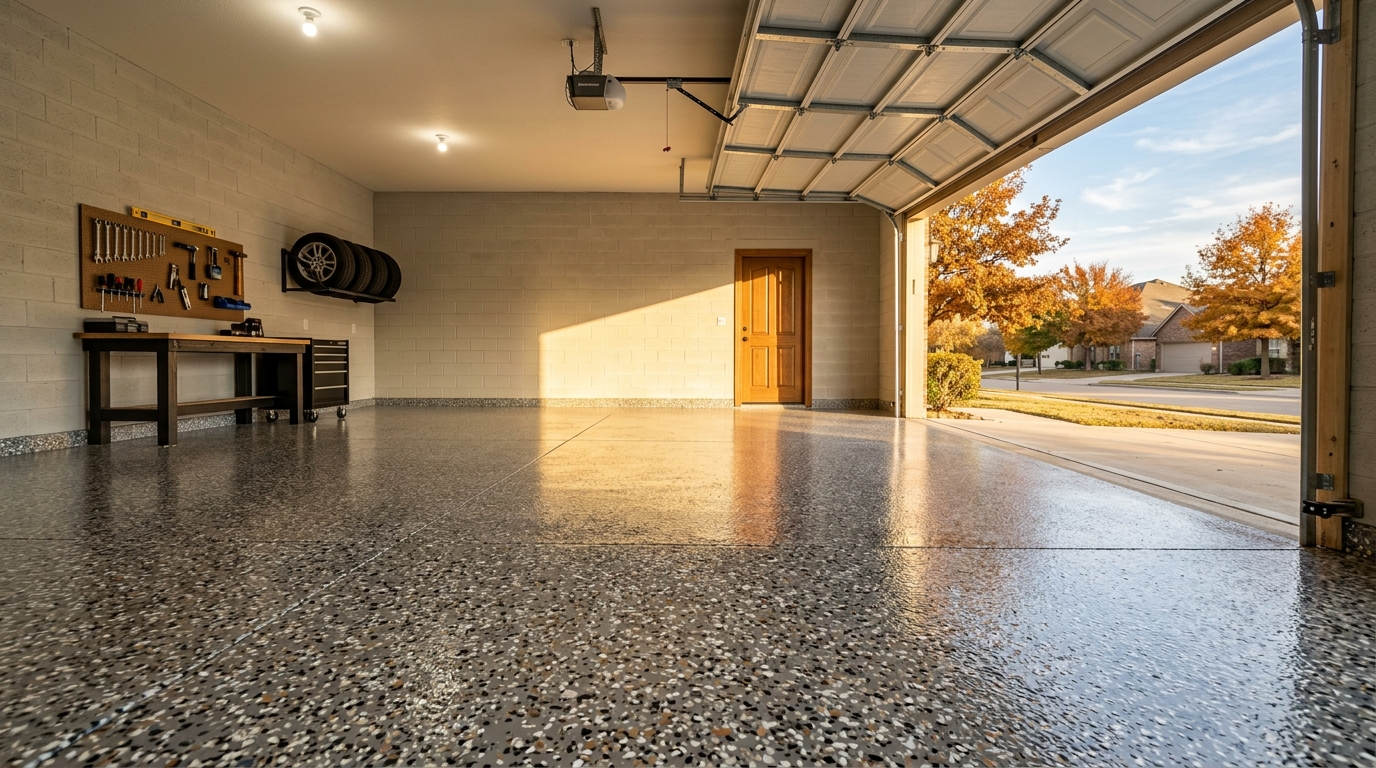
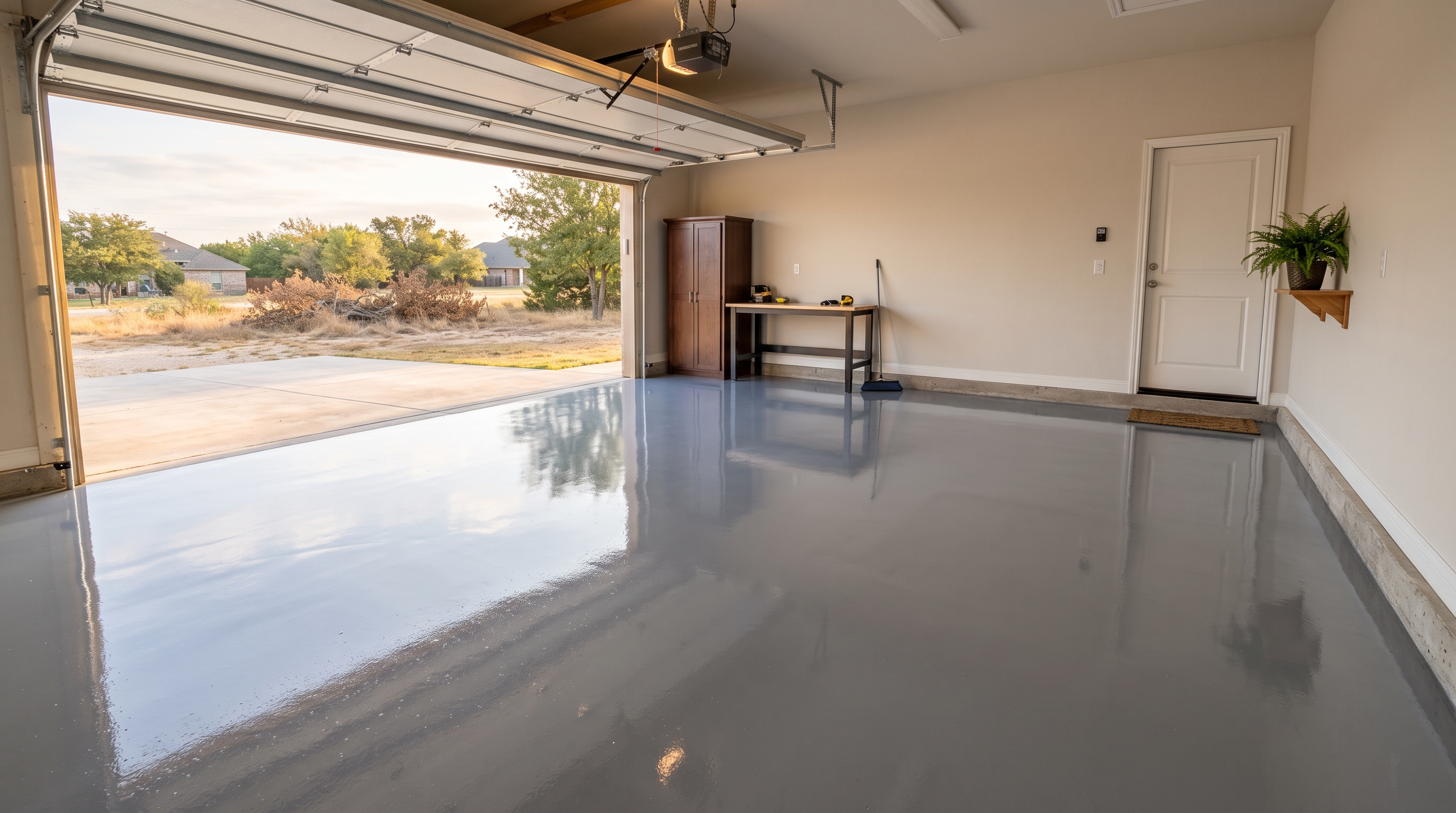
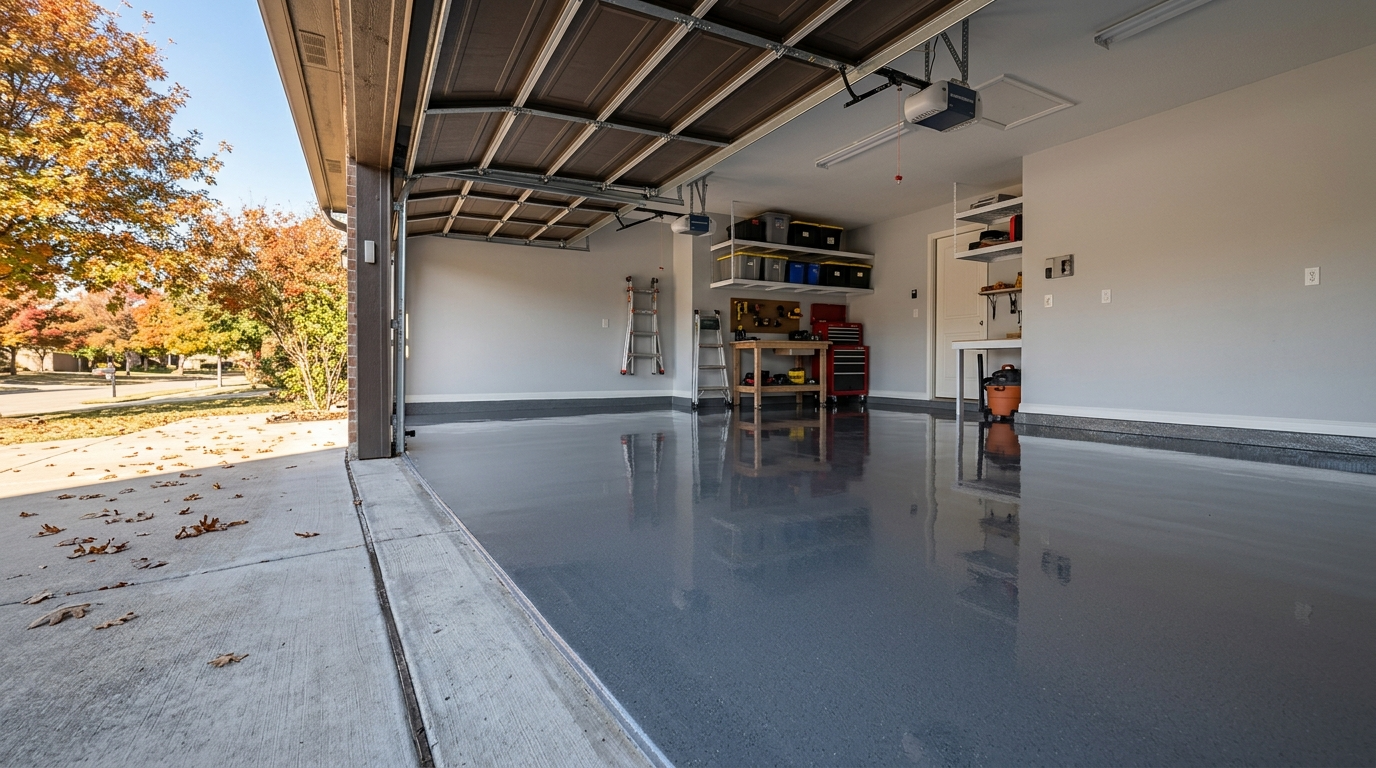
This is one of the most common misconceptions. While epoxy garage floors are popular, they are far from the only application.
Professionally installed epoxy systems are used in:
• Warehouses and distribution centers
• Manufacturing plants
• Retail spaces and showrooms
• Medical and veterinary facilities
• Commercial kitchens and service areas
Epoxy is chosen for these environments because it creates a seamless, non-porous surface that stands up to heavy traffic, chemicals, and moisture. When properly installed, epoxy performs just as well indoors as it does in a garage, often better than tile or bare concrete.
Myth 2 - Epoxy Floors Are Always Slippery
Many people assume epoxy is slick because it has a smooth finish. In reality, slip resistance is controlled during installation.
Professional epoxy systems can include:
• Anti-slip additives
• Textured finishes
• Satin or matte topcoats
These options are especially common in commercial and industrial spaces where safety is critical. Slippery epoxy floors usually come from improper coatings or DIY kits that skip traction control. A professionally designed system balances cleanability with safe footing.
Myth 3 - Epoxy Cracks When Concrete Moves
Epoxy does not cause cracks, and it does not automatically fail when concrete moves slightly. The real issue is surface preparation and crack treatment.
Concrete naturally expands, contracts, and develops minor cracks over time.
A professional installer:
• Repairs cracks correctly before coating
• Uses flexible joint treatments where needed
• Selects epoxy systems appropriate for the slab condition
When installed over properly prepared concrete, epoxy holds up extremely well. Failures almost always trace back to poor prep or moisture issues, not the epoxy itself.
Myth 4 - Epoxy Floors Are High Maintenance
Compared to many flooring options, epoxy is one of the lowest-maintenance surfaces available.
Epoxy floors do not require:
• Waxing
• Polishing
• Special cleaners
Routine care usually involves sweeping and occasional mopping. Because the surface is seamless and non-porous, dirt, oil, and chemicals stay on top instead of soaking in. This makes epoxy easier to clean than concrete, tile, or grout lines, especially in high-use environments.
Myth 5 - All Epoxy Floors Are Basically the Same
This myth causes more problems than any other. Not all epoxy floors are created equal.
Differences come from:
• Resin quality
• Thickness of the system
• Surface preparation methods
• Number of coating layers
• Topcoat selection
Big-box store kits and low-cost installs often fail because they cut corners on prep and materials. Professional epoxy systems are engineered for specific environments and traffic levels. The performance difference is noticeable within the first year.
Who Epoxy Floors Actually Make Sense For
Epoxy flooring is ideal for property owners who want:
• Long-term durability
• Easy cleaning and maintenance
• Improved appearance over bare concrete
• Chemical and moisture resistance
It is especially well-suited for warehouses, workshops, commercial buildings, and residential garages that see real use, not just light foot traffic.
What Professional Epoxy Installation Looks Like
A proper epoxy installation is not a one-day paint job. Professional work includes:
• Mechanical surface preparation, often with grinding equipment
• Moisture testing and concrete evaluation
• Crack and joint repair
• Multiple coating layers designed for the space
Skipping any of these steps leads to peeling, bubbling, or premature failure. Quality epoxy floors are built from the concrete up, not just rolled on the surface.
How to Avoid Epoxy Flooring Mistakes
Before choosing epoxy, protect your investment by:
• Avoiding one-size-fits-all solutions
• Asking about surface prep methods
• Understanding the system thickness and materials
• Working with contractors experienced in high-traffic floors
Asking the right questions upfront prevents disappointment later.
Why Property Owners Trust NES Flooring for Epoxy Work
At NES Flooring, the focus is on durable, real-world results. Our team installs professional-grade epoxy systems designed for long-term performance, not quick cosmetic fixes. We do not offer metallic, grind-and-seal, or decorative novelty systems. Instead, we specialize in epoxy floors that hold up under traffic, equipment, and daily use.
From concrete preparation to final coating, every step is handled with durability in mind. That is why businesses and homeowners across Texas rely on NES Flooring for floors that last.
Final Thoughts on Epoxy Flooring Myths
Epoxy floors are not fragile, slippery, or limited to garages. When designed and installed correctly, they are one of the toughest and most practical flooring systems available. Most epoxy problems come from misinformation or shortcuts, not from the material itself.
If you want a floor that performs as hard as your space demands, epoxy deserves a closer look.
Get Expert Epoxy Flooring Advice Today
If you are considering epoxy flooring for your home or business, contact NES Flooring to discuss your space, traffic needs, and long-term goals. A professional consultation can help you avoid myths, skip mistakes, and invest in a floor that truly works.
Ready to work with NES Flooring?
Let's connect! We’re here to help.
Send us a message and we’ll be in touch.
Or give us a call today at 817-668-5051
More from NES Flooring: