Why Professional Epoxy Installation Beats DIY Kits Every Time
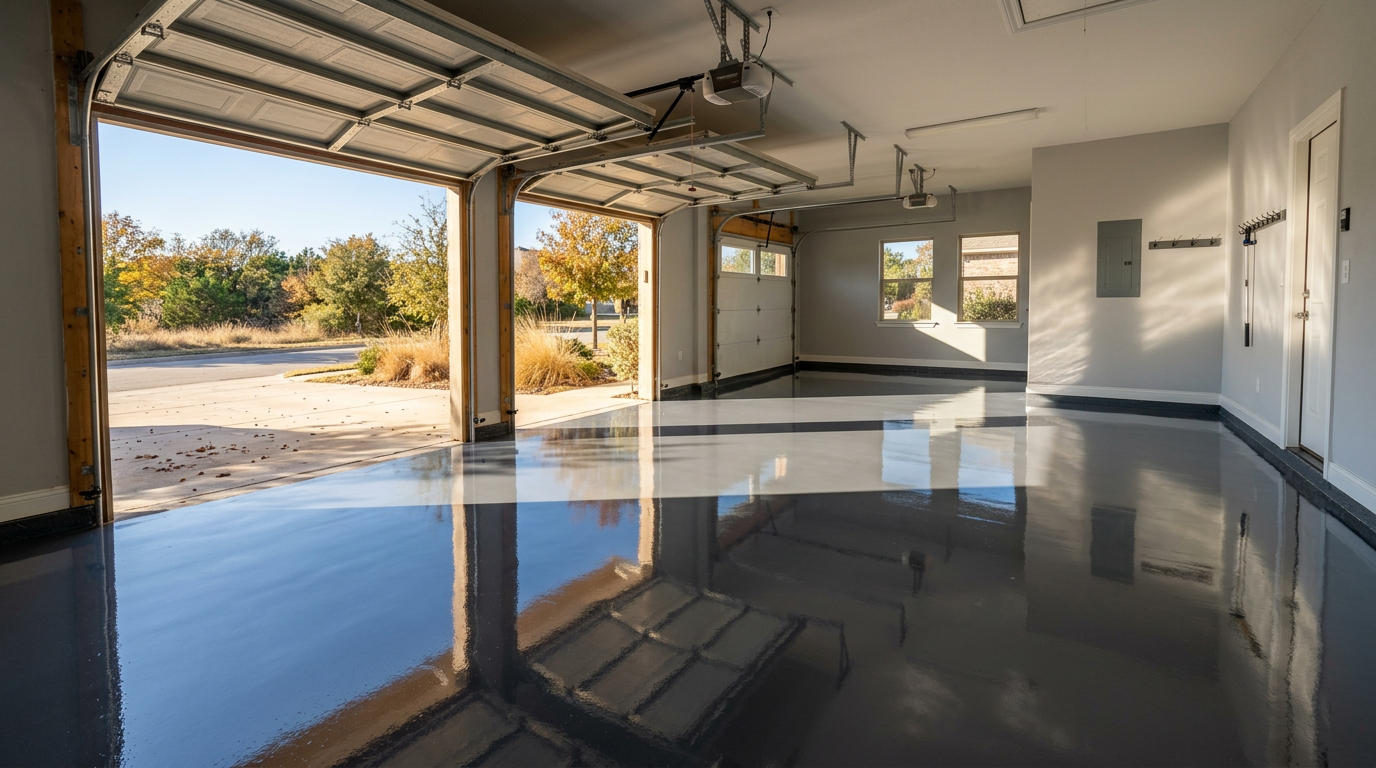
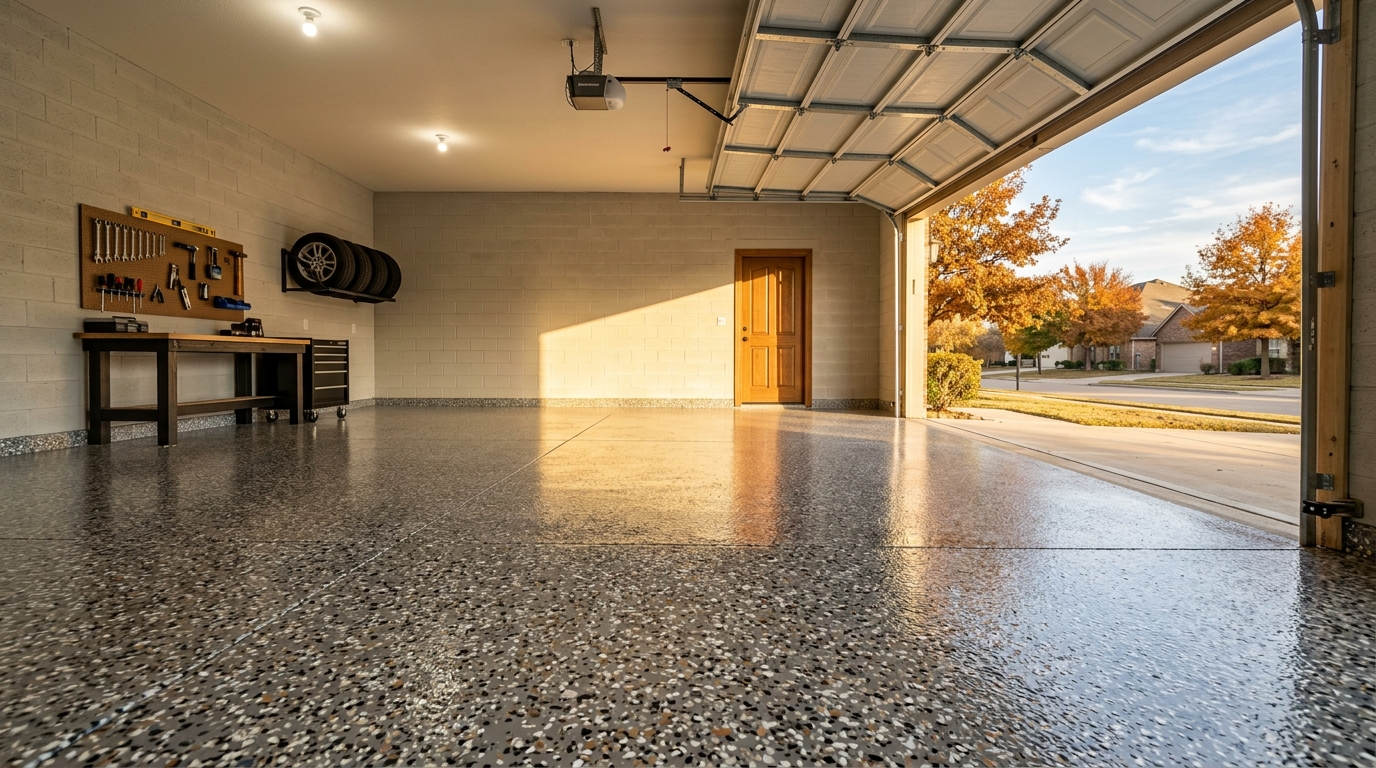
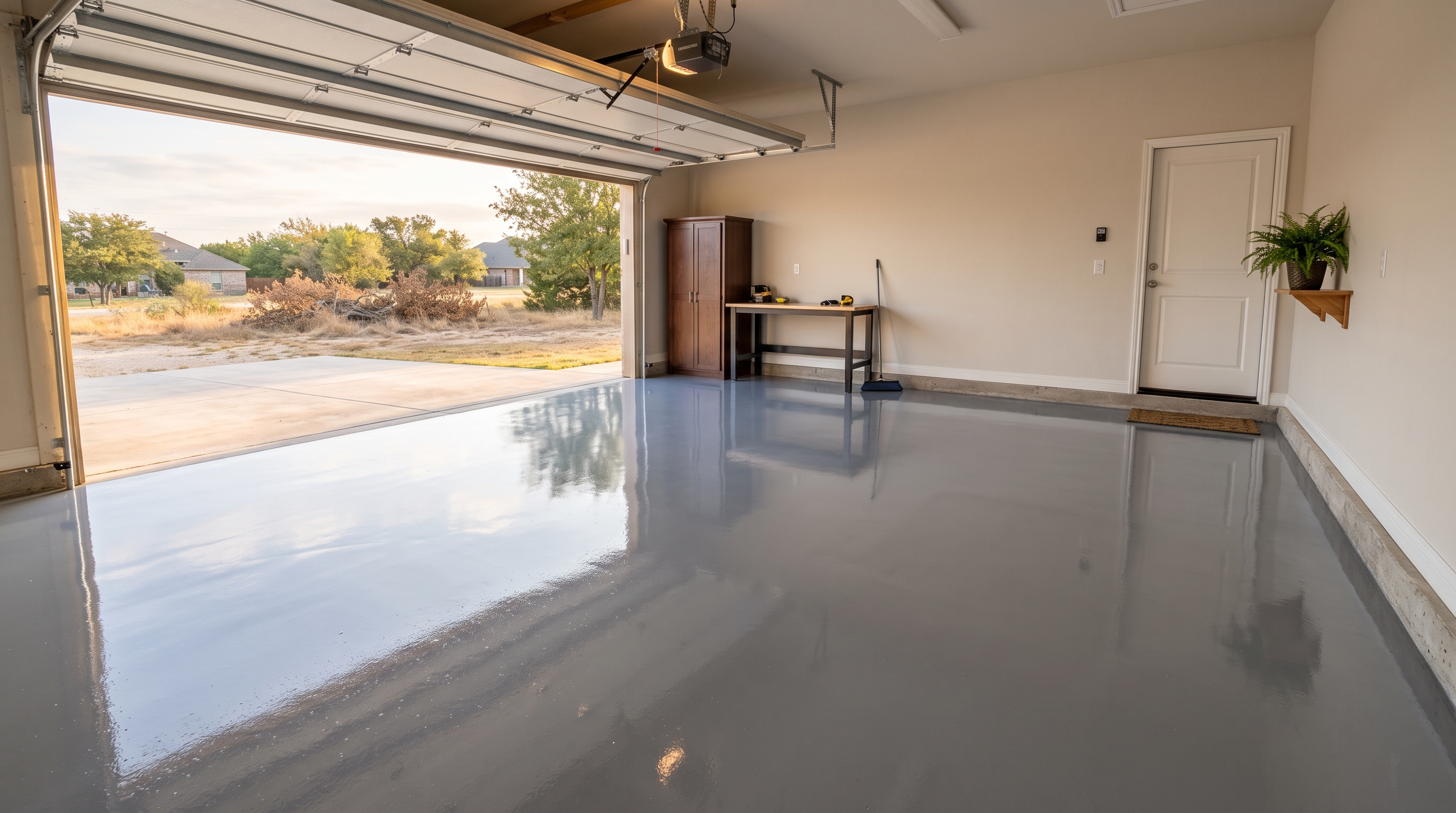
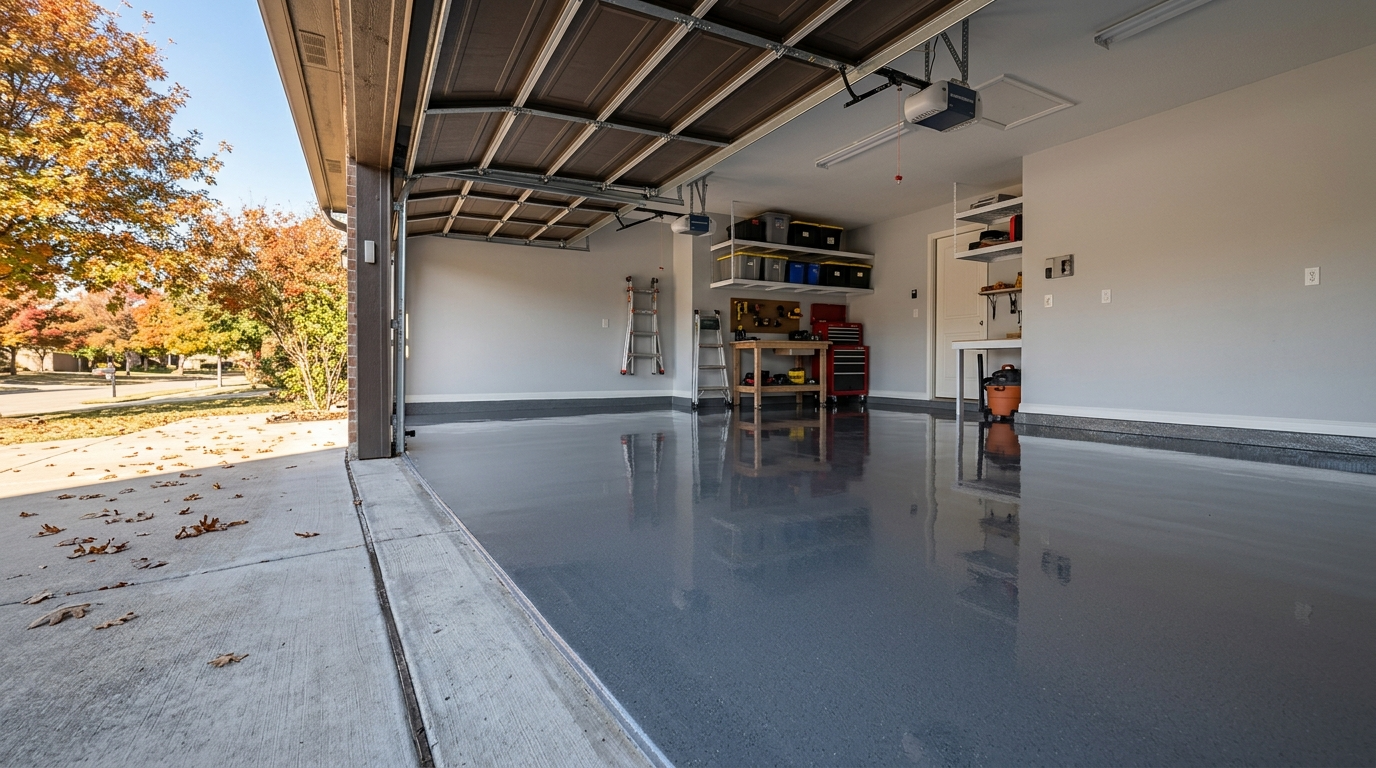
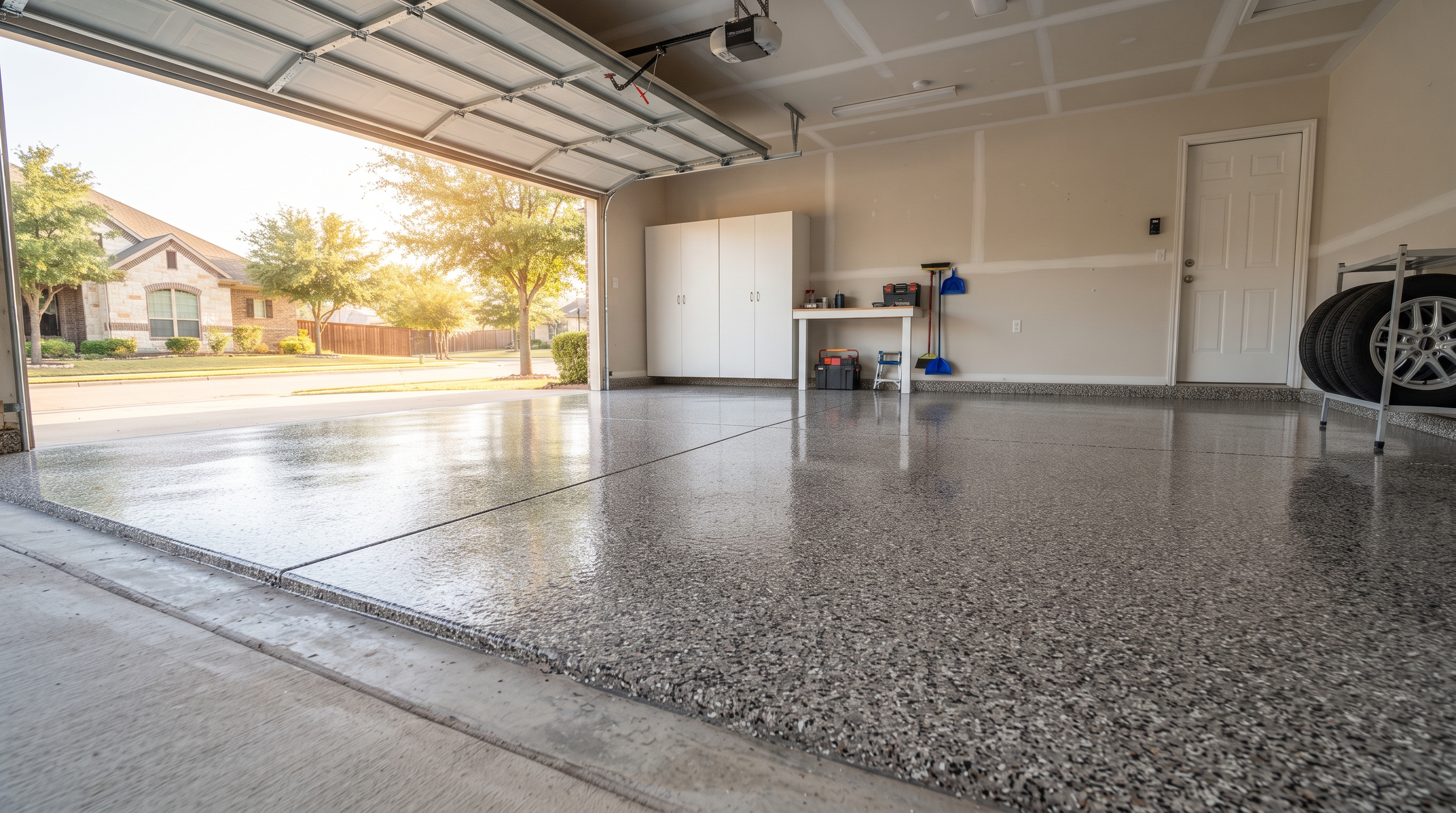
Epoxy flooring has become a popular option for garages, warehouses, shops, and commercial spaces because of its durability, clean appearance, and resistance to wear. DIY epoxy kits make it look simple - roll it on over a weekend and enjoy a long-lasting floor. In reality, epoxy is one of the most failure-prone flooring systems when installed without professional preparation and experience.
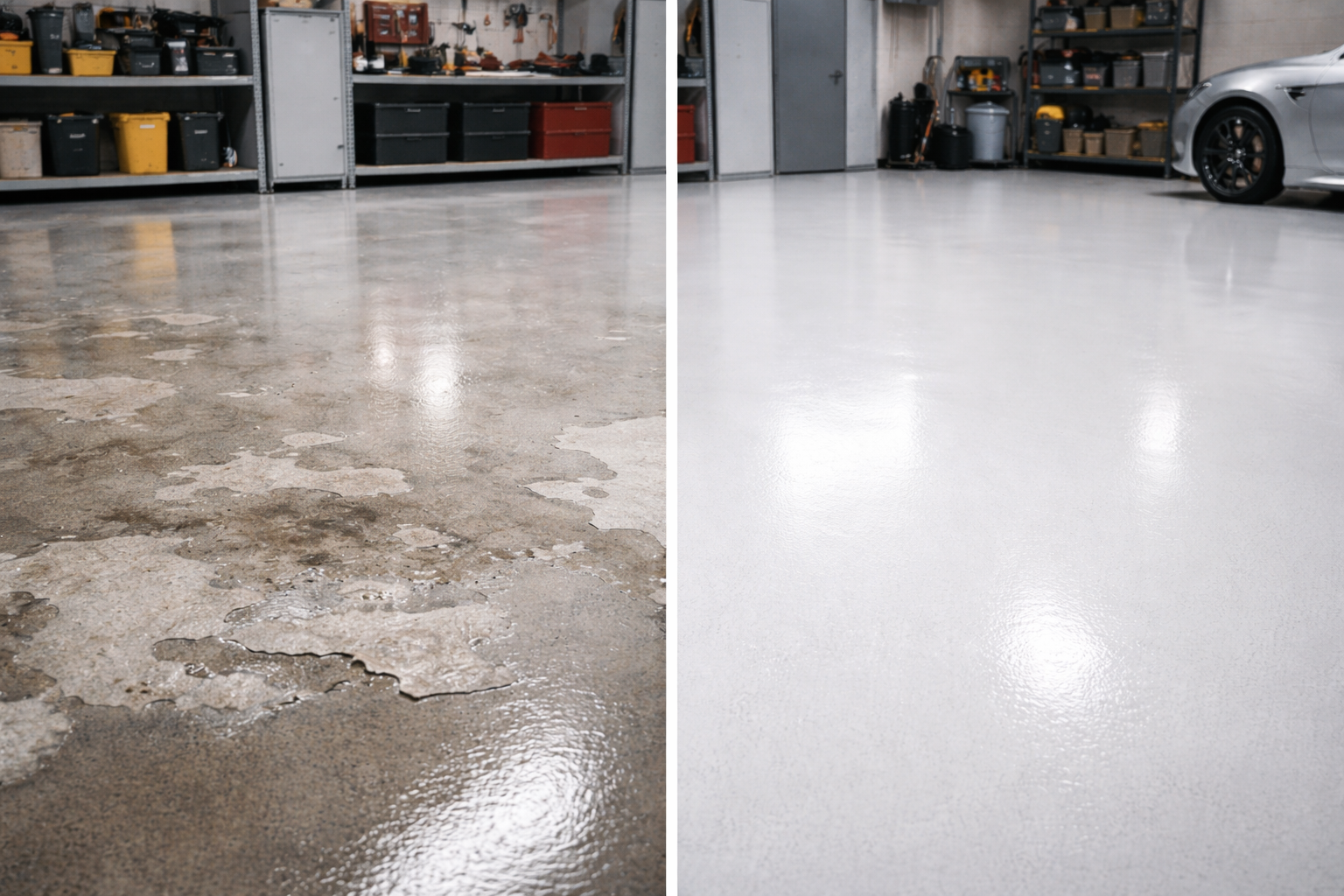
For Texas property owners, the difference between a DIY epoxy floor and a professionally installed system is not subtle. It shows up in peeling, hot tire pickup, uneven texture, moisture failure, and costly do-overs. NES Flooring installs epoxy the right way, focusing on durability, adhesion, and long-term performance rather than shortcuts.
Why Epoxy Flooring Is Not a Paint-On Product
One of the biggest misconceptions about epoxy is that it behaves like paint. DIY kits reinforce this idea by packaging epoxy with rollers and simple instructions. Epoxy is actually a chemical flooring system that relies on mechanical bonding and controlled curing conditions.
Epoxy does not stick well to smooth, dirty, or moisture-contaminated concrete. Without proper surface preparation, the coating may look acceptable for a short time but will fail under real use.
Professional installation treats epoxy as a flooring system, not a cosmetic layer.
Surface Preparation Is Where DIY Fails First
The most critical step in epoxy installation happens before the epoxy is ever mixed. Professional installers mechanically prepare the concrete to create a surface profile that allows epoxy to bond permanently.
DIY kits typically rely on acid etching or light cleaning, which is inadequate for most slabs.
Professional preparation includes:
• Mechanical grinding or shot blasting
• Removal of laitance, sealers, and contaminants
• Opening concrete pores for proper adhesion
• Creating a consistent surface profile
Skipping this step is the number one reason DIY epoxy peels, flakes, or bubbles.
Moisture Testing Protects Against Hidden Failures
Concrete slabs in Texas often contain moisture vapor that is invisible on the surface. DIY kits do not test for moisture, and homeowners rarely know it is an issue until the floor starts lifting.
Professional epoxy installation includes moisture testing to identify vapor transmission that can break epoxy bonds from underneath.
Without this step, epoxy can fail even when applied perfectly on the surface.
Material Quality Matters More Than DIY Marketing
Most DIY epoxy kits are thin, low-solids products designed for ease of use rather than performance. They cure quickly, apply easily, and look good initially, but they lack the thickness and chemical resistance of professional-grade systems.
Professional epoxy systems offer:
• Higher solids content for durability
• Better chemical and abrasion resistance
• Controlled cure times for proper bonding
• Consistent thickness across the floor
Thin coatings wear through quickly and cannot handle vehicle traffic, equipment, or heavy use.
Texas Heat Exposes DIY Epoxy Weaknesses Fast
High temperatures are unforgiving to improperly installed epoxy. Hot tire pickup, softening, and peeling are common failures in Texas garages and shops.
Professional installers select epoxy systems designed to withstand heat and traffic while applying them under controlled conditions.
DIY kits rarely account for:
• Slab temperature during installation
• Cure timing affected by heat
• Thermal expansion of concrete
• Vehicle heat load on the surface
These factors are critical in Texas environments.
Durability and Lifespan Are Not Comparable
A professionally installed epoxy floor is built to last for years under normal use. DIY floors often fail within months or a few years, especially in garages and commercial settings.
Professional epoxy systems deliver:
• Long-term adhesion
• Resistance to chipping and peeling
• Consistent wear performance
• Predictable maintenance cycles
When a DIY floor fails, it usually costs more to remove and redo than the original professional installation would have cost.
Repairs Are Harder After DIY Failure
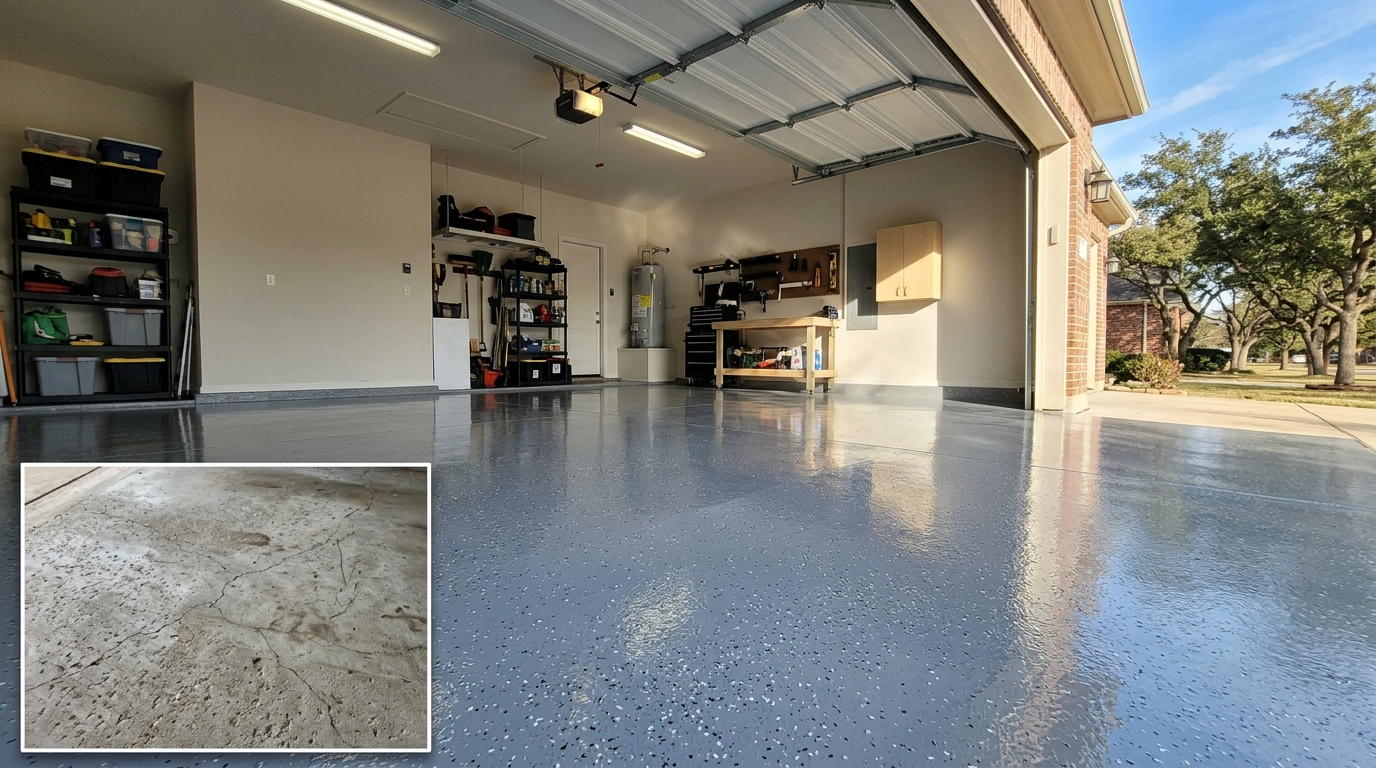
Once a DIY epoxy floor starts peeling, repairs are rarely simple. Failed coatings must be mechanically removed before new epoxy can be applied. This adds labor, time, and cost.
Professional installation avoids this cycle by doing it right the first time.
Appearance Is Also About Precision
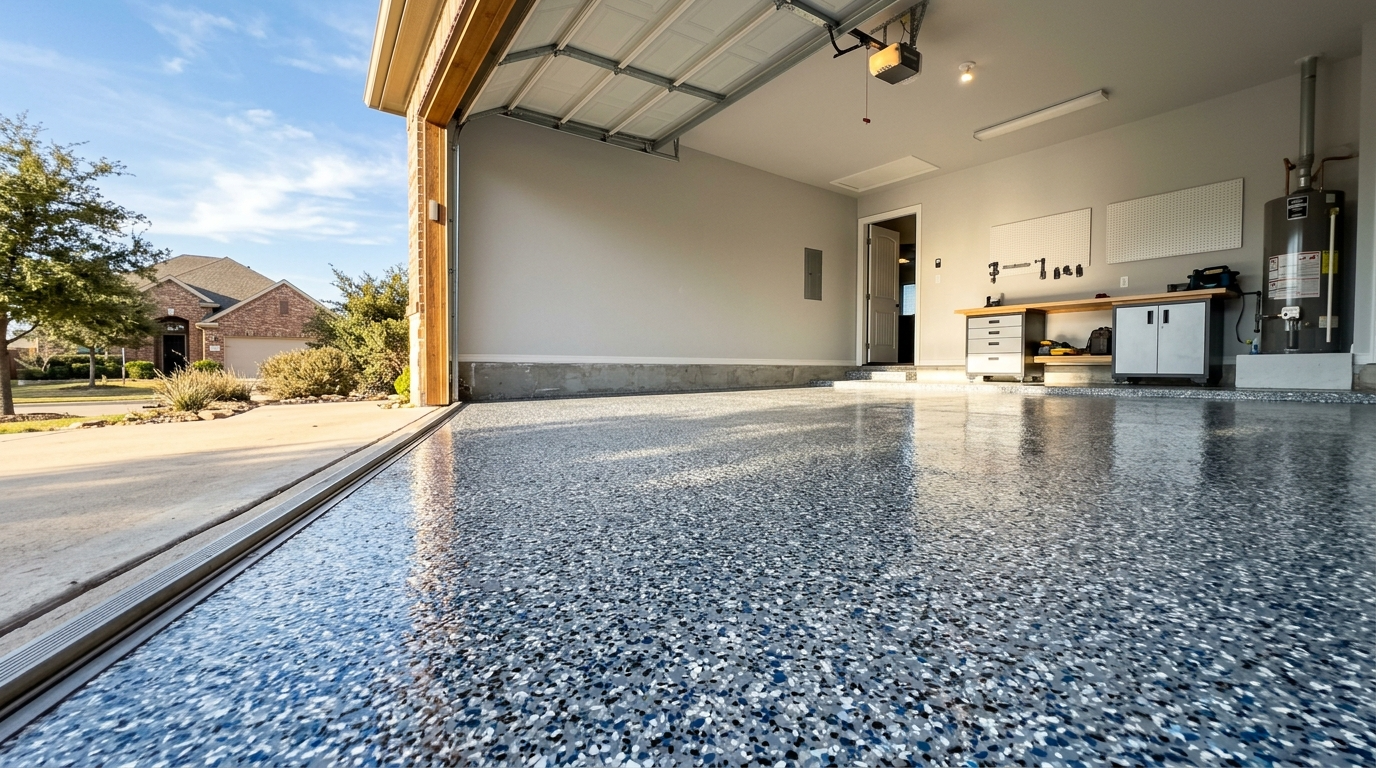
DIY epoxy floors often show roller marks, uneven texture, thin spots, and inconsistent color. While appearance is not the primary concern for all spaces, uneven floors signal poor installation and reduce perceived quality.
Professional installers deliver:
• Uniform coverage
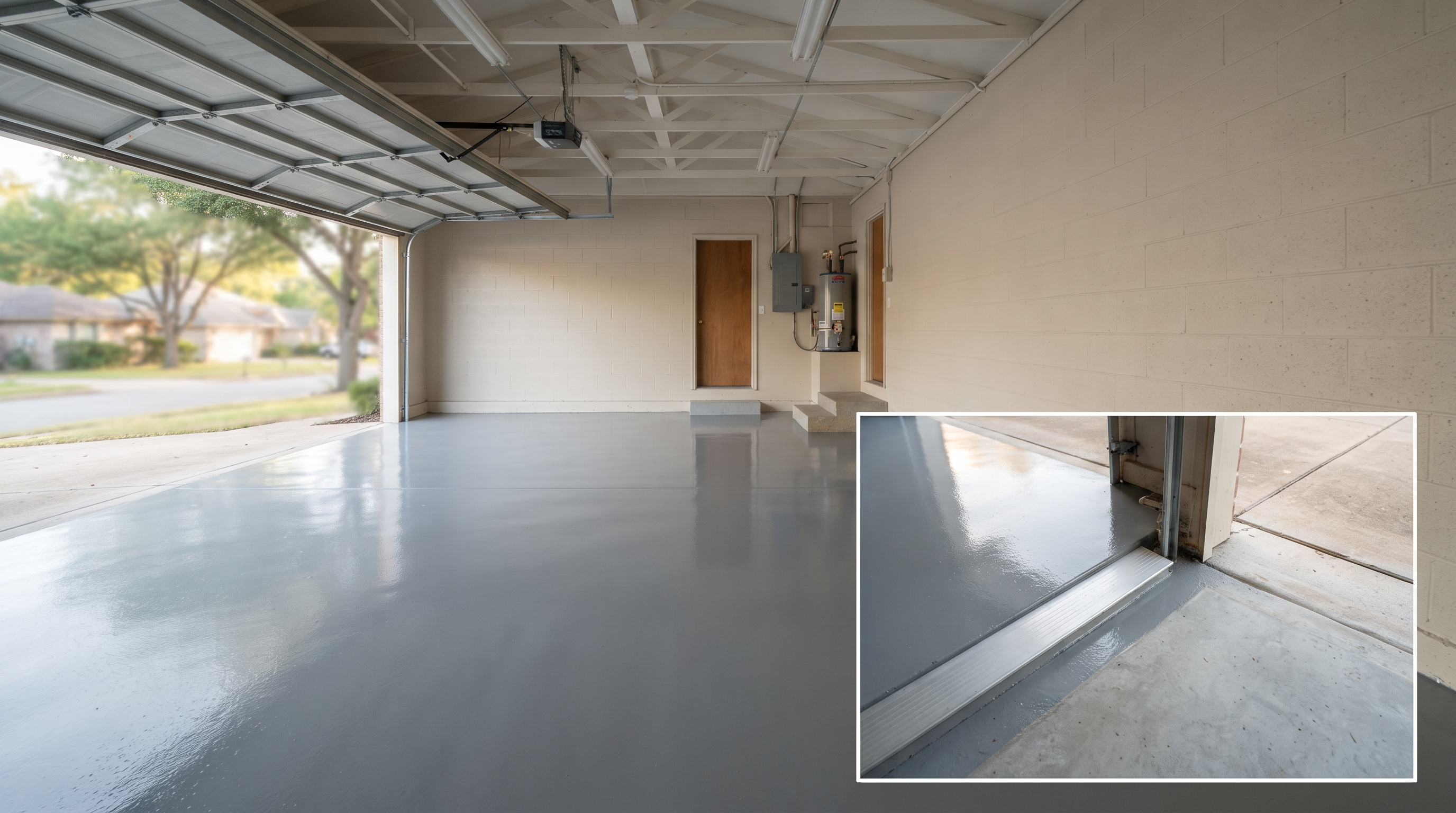
• Clean transitions at edges and joints
• Controlled texture for slip resistance
• Consistent finish across the entire surface
These details matter in both residential and commercial environments.
Why Professional Installation Saves Money Over Time
DIY epoxy kits appear cheaper upfront, but the long-term cost is often higher due to early failure, reinstallation, and downtime.
Professional epoxy installation offers:
• Fewer repairs
• Longer service life
• Lower maintenance costs
• Reliable performance under real use
This is especially important for businesses where floor failure disrupts operations.
Who Should Never Rely on DIY Epoxy Kits
DIY epoxy is a poor choice for:
• Garages with vehicle traffic
• Workshops and service areas
• Commercial and industrial spaces
• High-moisture slabs
• Properties in hot climates
These environments demand professional systems and installation methods.
Why NES Flooring Installs Epoxy the Right Way
NES Flooring focuses on durable, no-nonsense epoxy flooring solutions built for Texas conditions. There are no gimmicks, no shortcuts, and no systems that cannot hold up to real use.
Clients trust NES Flooring for:
• Proper mechanical surface preparation
• Commercial-grade epoxy systems
• Honest recommendations based on use
• Floors built for performance, not just appearance
Choose Performance Over Shortcuts
Epoxy flooring is only as good as the installation behind it. DIY kits may promise easy results, but they rarely deliver lasting performance. If you want an epoxy floor that bonds correctly, handles heat, and holds up over time, professional installation is the only reliable option. Contact NES Flooring today to schedule a consultation and invest in an epoxy floor that works as hard as you do.
Ready to work with NES Flooring?
Let's connect! We’re here to help.
Send us a message and we’ll be in touch.
Or give us a call today at 817-668-5051
More from NES Flooring: